

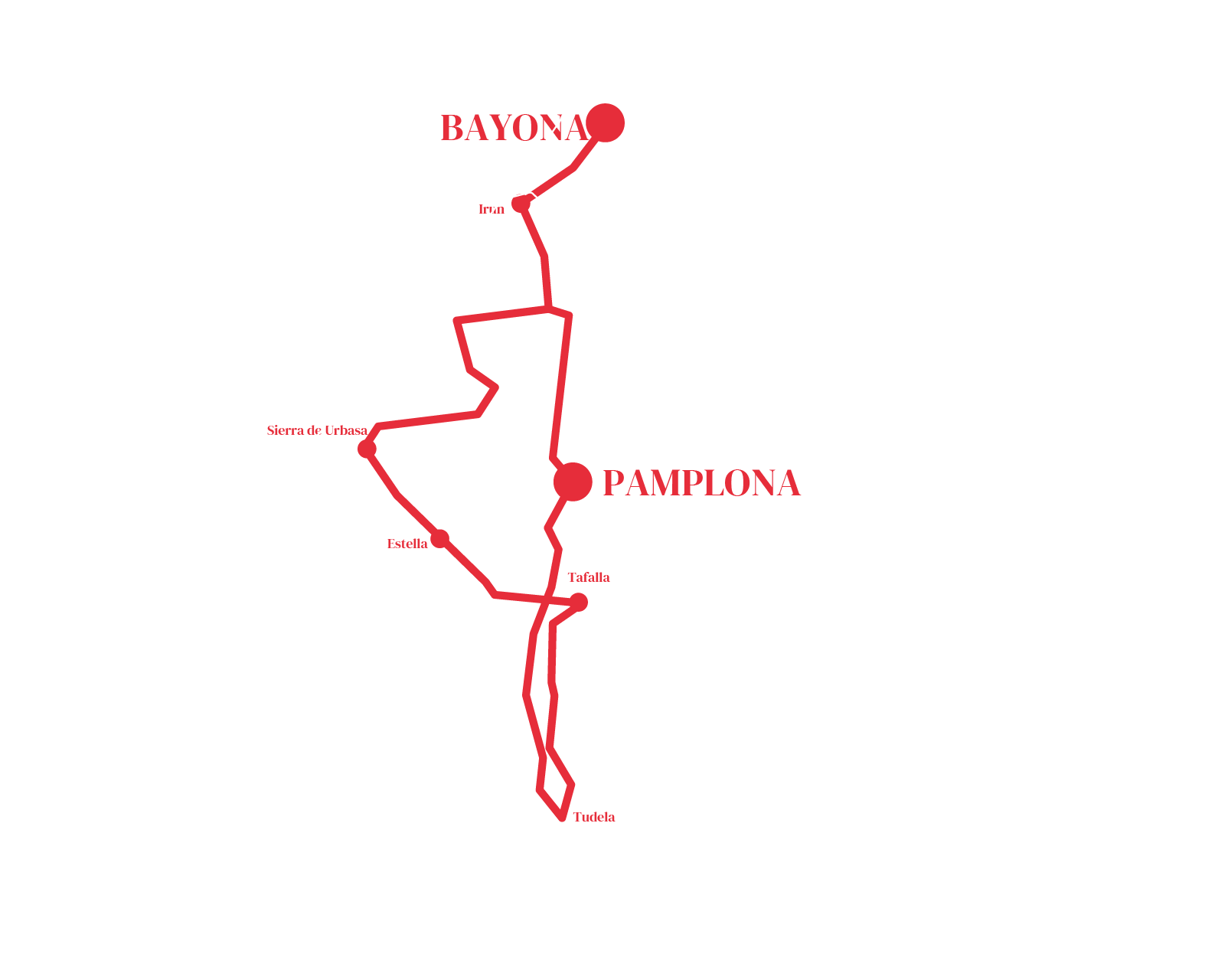
The journey begins in Bayonne, a city of art and history where Basque traditions are reflected in every corner. Crossed by the Nive and Adour rivers, the city captivates visitors with its extraordinary heritage, colourful façades, distinctive lifestyle and renowned gastronomy. An ideal first stage for immersing yourself in the identity of the French Basque Country before setting out to discover its valleys, villages and coastline.
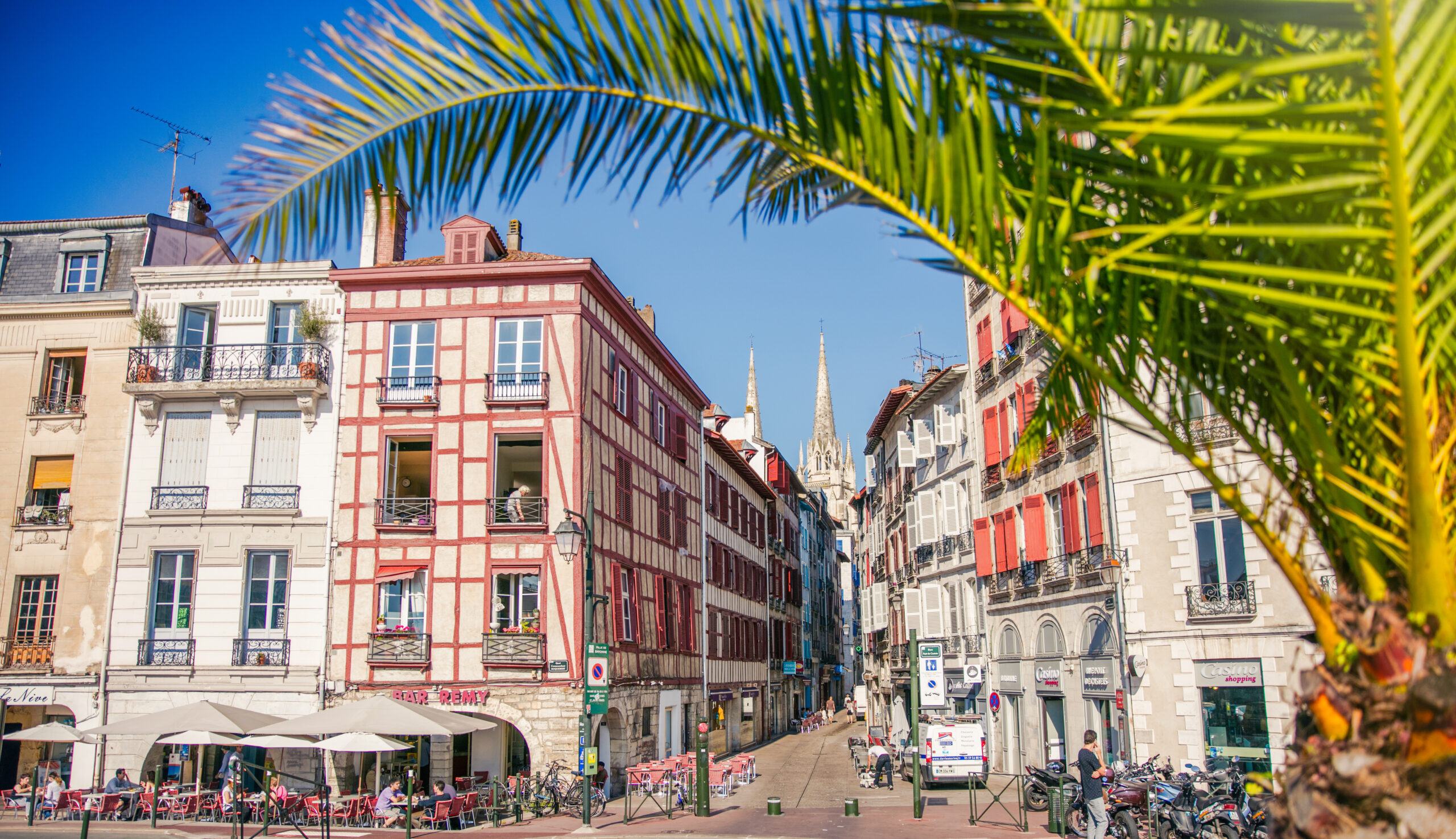
After your transfer from Biarritz Airport, head out to discover Bayonne’s historic centre. A guided tour will take you to Sainte-Marie Cathedral, a Gothic masterpiece declared a UNESCO World Heritage Site as part of the Routes of Santiago de Compostela.
Continue towards the Château-Vieux, a former medieval fortress, and then make your way to the town hall through the lively streets of Grand Bayonne and Petit Bayonne, where heritage and local life exist in perfect harmony.
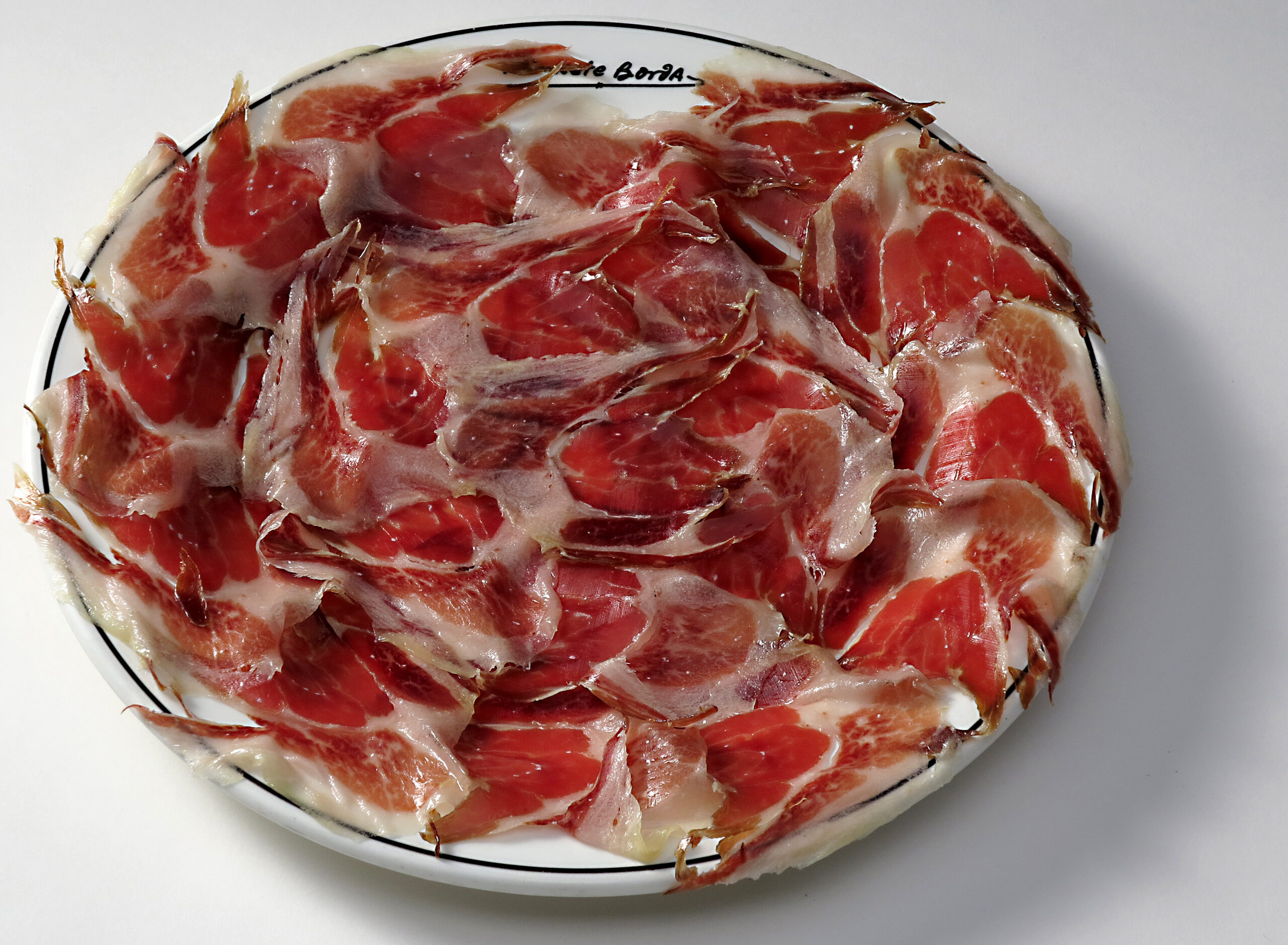
Next, stop at Les Halles, the city’s true gastronomic heart. Among the artisan producers’ stalls, allow yourself to be tempted by a tasting of the great regional specialities: Bayonne ham, Basque cake, sheep’s cheese and wines from south-western France offer a delicious introduction to the local flavours.
The afternoon continues at the Chocolate Museum, which explores the history of this artisan tradition, deeply rooted in Bayonne since the 17th century. Before night falls, take some free time to browse the shopping streets, walk along the quays of the River Nive or sit on a terrace and enjoy the city’s welcoming atmosphere.
Bayonne is a destination where gastronomy takes pride of place. From its famous PGI ham and historic chocolate shops to Basque pastries and other local products, every tasting showcases the expertise of local producers and the richness of Basque cuisine.
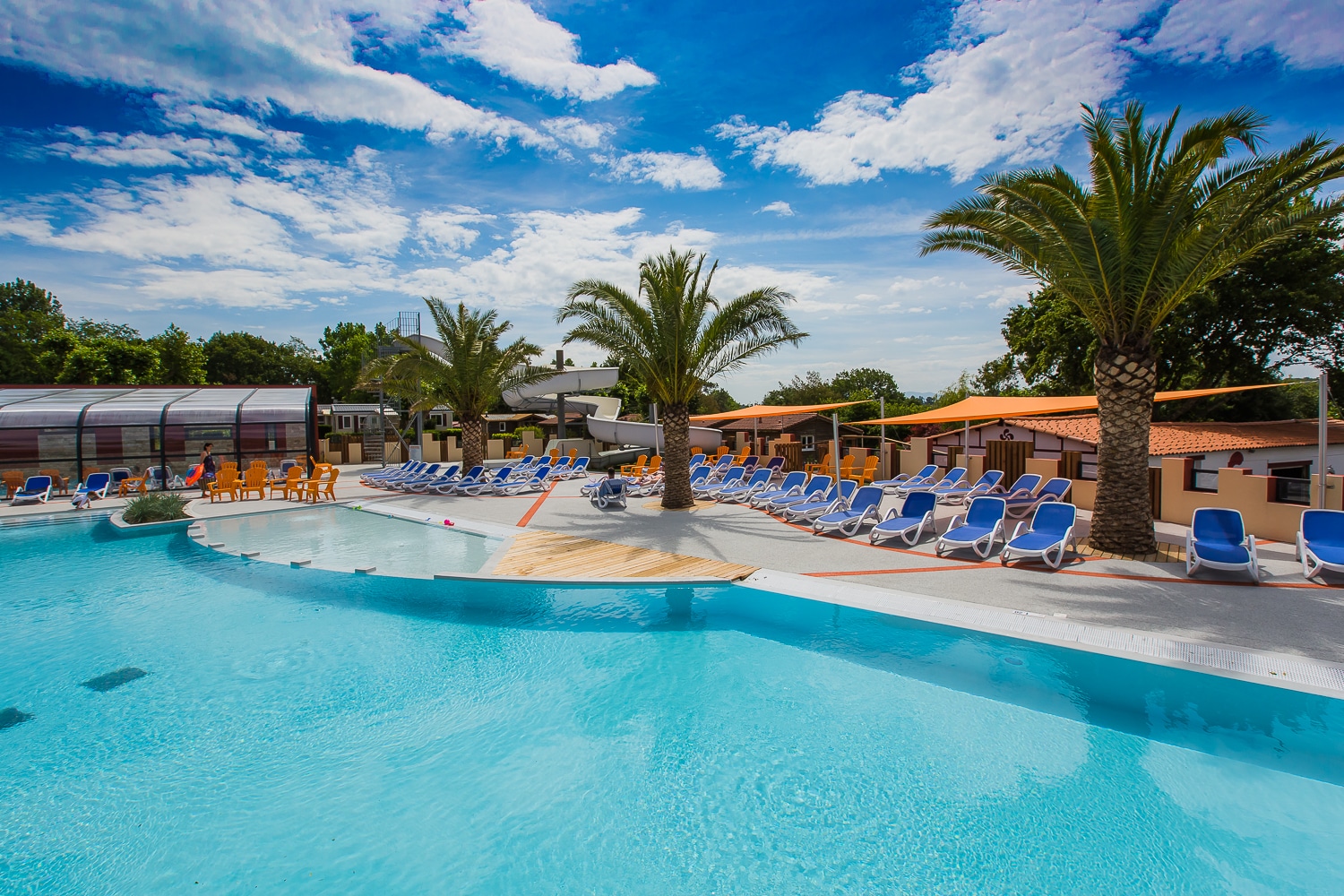
For a first night between the ocean and nature, Camping Bela Basque in Anglet is a comfortable and accessible option. Its privileged location provides easy access to Bayonne, Biarritz and the main attractions of the Basque coast.
This day explores the Basque coast, where the Atlantic Ocean has always shaped both the landscapes and the character of its towns. From the elegance of Biarritz to the authentic charm of Saint-Jean-de-Luz, the itinerary combines heritage, the art of living well and gastronomic pleasures in a setting where the waves meet the red-and-white façades of traditional Basque houses.
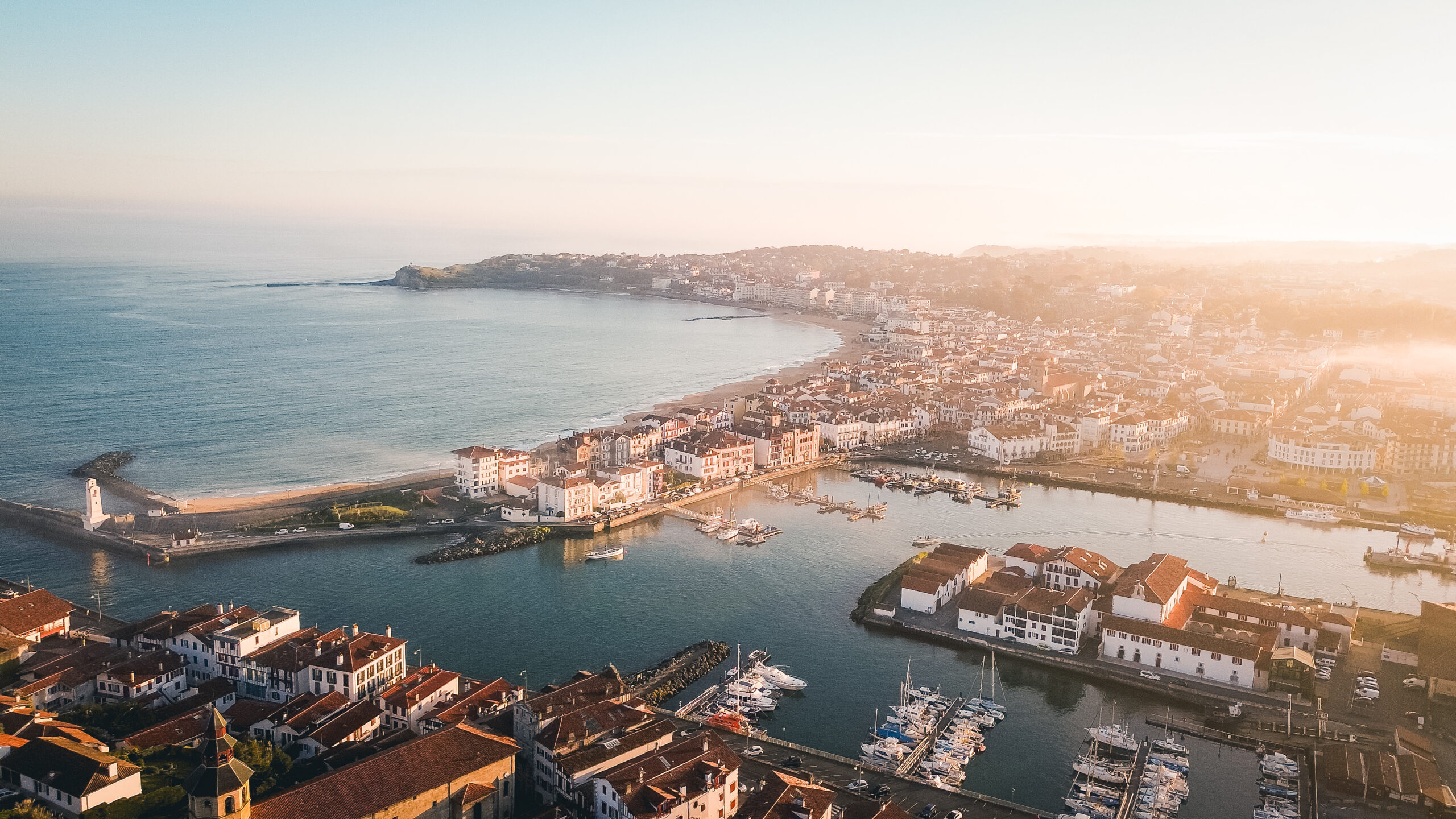
The morning begins in Biarritz, a former imperial seaside resort that has become one of the most iconic destinations on the Basque coast. Stroll through the old fishermen’s quarters, from Port-Vieux to Rue Mazagran, where small traditional houses recall the city’s maritime origins.
Next, enjoy some free time to explore Les Halles, the centre of local gastronomy, or the elegant shopping streets that have shaped Biarritz’s reputation.
In the afternoon, head to Saint-Jean-de-Luz, a port town with a rich maritime past. Your visit begins at the Church of Saint John the Baptist, famous for hosting the wedding of King Louis XIV and the Infanta Maria Theresa of Spain in 1660. Its wooden galleries and remarkable Baroque altarpiece bear witness to the town’s prestigious history.
Continue your tour with a walk through the narrow streets of the historic centre and along the harbour quays before enjoying a convivial tasting of the finest specialities from the Basque region.
Between the land and the ocean, the cuisine of the Basque coast celebrates local produce. Sheep’s cheeses, artisan cured meats, marinated olives, specialities seasoned with Espelette pepper, Irouléguy wines and Basque cider (sagardoa) reflect a region where culinary traditions are passed down with passion.
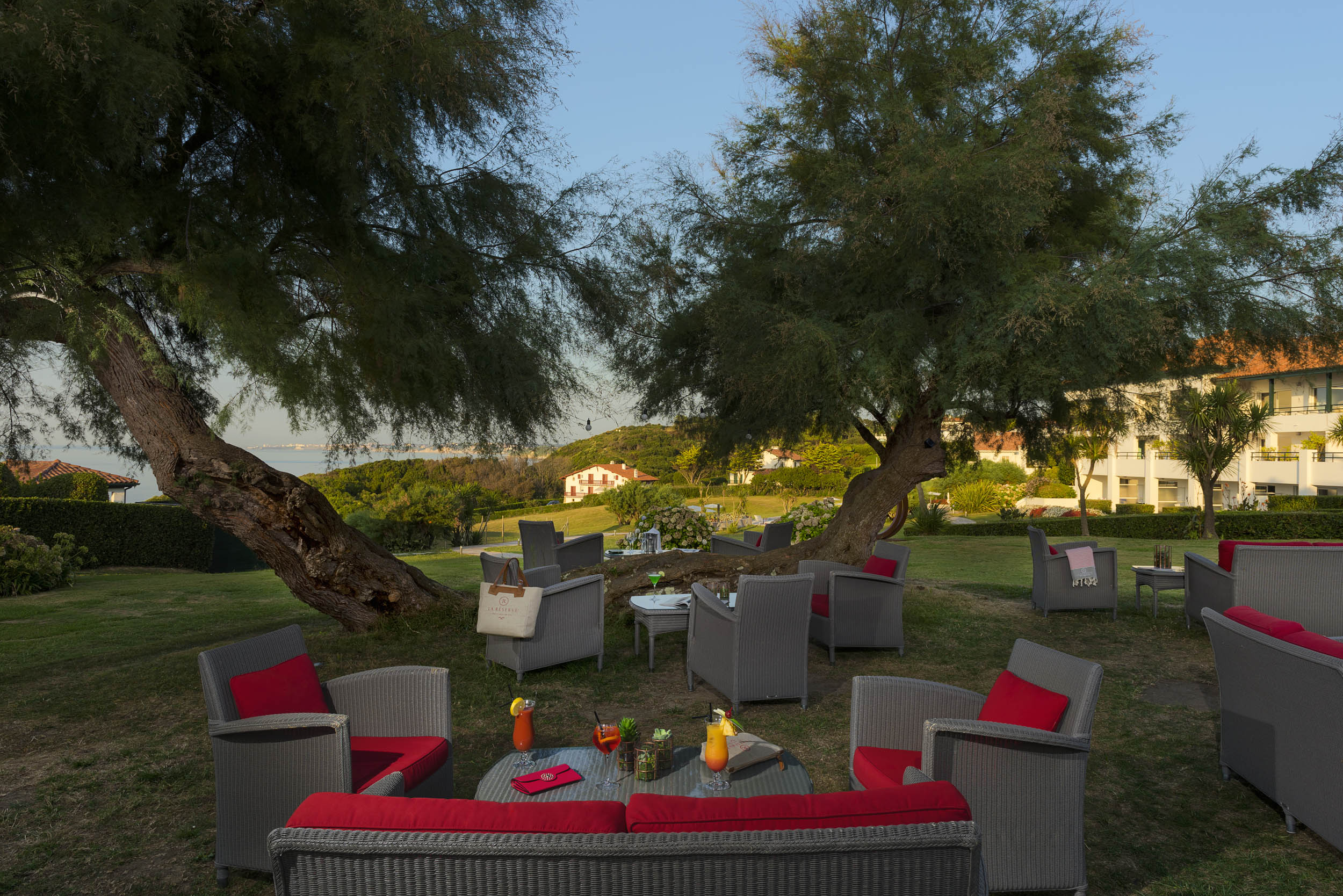
Several establishments offer high-quality accommodation to extend your seaside getaway. La Réserve Hotel in Saint-Jean-de-Luz is an ideal place overlooking the ocean. In Hendaye, Camping Eskualduna and Hotel Ibaia offer affordable accommodation, while Les Frères Ibarboure in Bidart stands out for its refined setting between the Basque countryside and the coast.
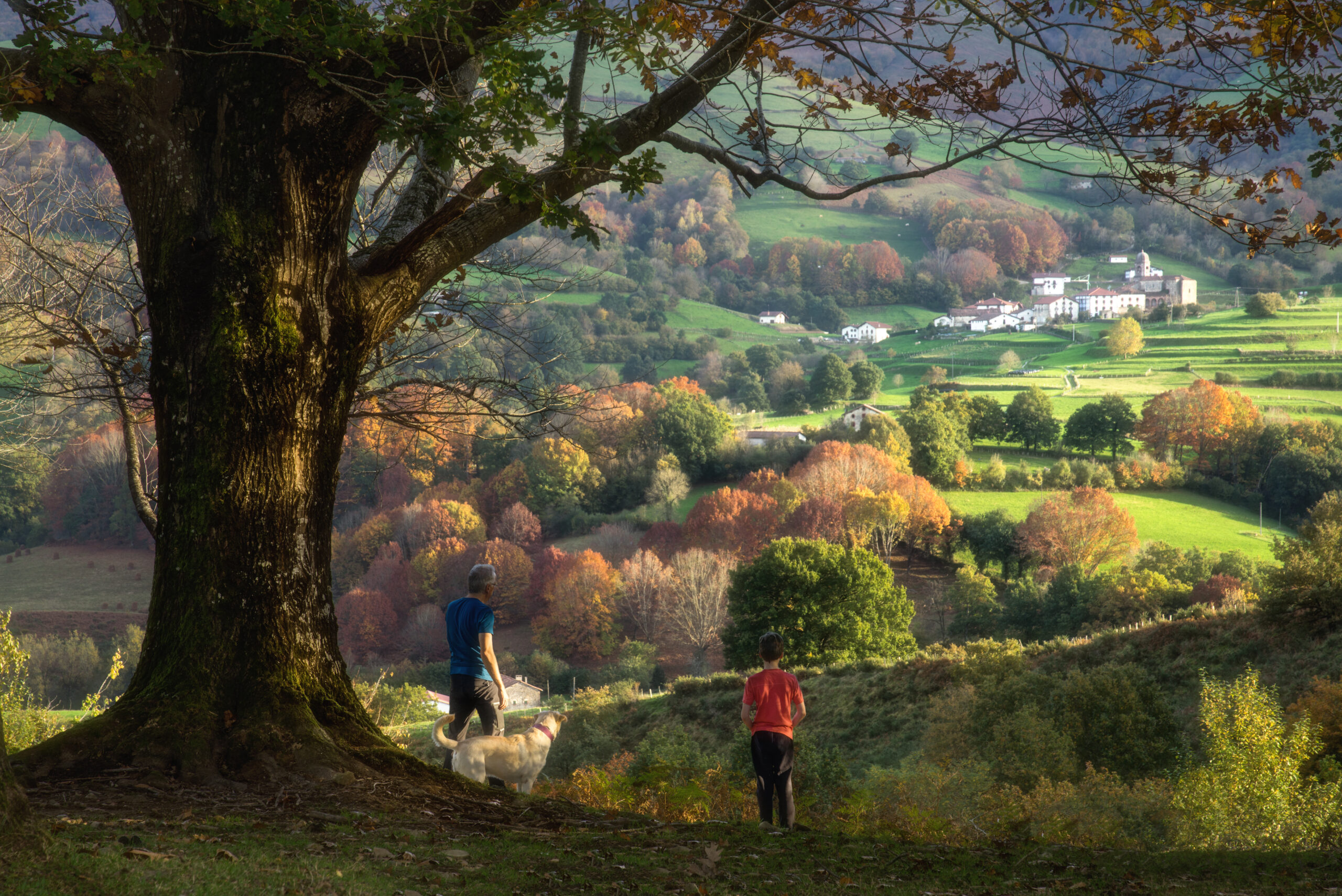
This day marks the transition from the Basque coast to the green landscapes of Navarre. As you cross the border, the scenery gradually changes between mountains, forests and charming villages. This stage combines Basque traditions, gastronomy and well-being, following the rhythm of the Pyrenean valleys.
For lovers of magnificent panoramic views, the day can begin with an ascent of La Rhune aboard its iconic rack railway, which has been operating since 1924. From the summit, the view encompasses the Pyrenees, the Basque hills and the Bay of Biscay, creating an exceptional natural spectacle.
After crossing the border, stop in Bera de Bidasoa. The famous Venta Peio offers a first immersion in the flavours of Navarre through a tasting of foie gras, cheeses and local specialities before you continue towards the inland valleys.
In Donamaria, Donamaria’ko Benta restaurant stands out for its contemporary Navarrese cuisine inspired by local produce, served in a particularly pleasant rural setting.
In the afternoon, head to Santesteban, a charming village crossed by the River Bidasoa. A walk through its historic centre allows you to appreciate its heritage before sampling traditional sweet treats such as urrakin egina or txantxigorri, iconic regional specialities.
The day ends in Elgorriaga, renowned for having some of the saltiest waters in Europe. Its spa invites you to enjoy a well-deserved moment of relaxation after a day of discovery, in a peaceful setting surrounded by mountains.
From the agricultural produce of the Navarrese valleys to reinvented traditional recipes, this stage celebrates authentic gastronomy. Cheeses, foie gras, local pastries and regional cuisine illustrate the culinary richness of this area between the Pyrenees and the Basque Country.
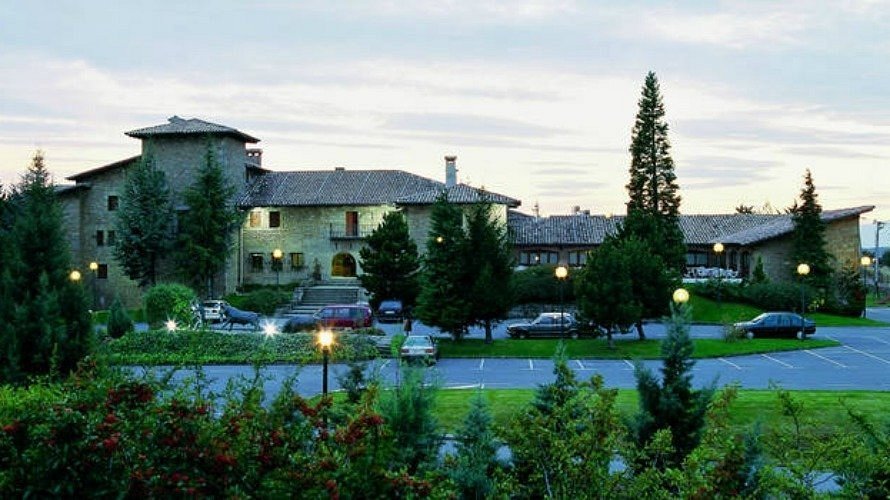
For a stay surrounded by nature, Izarpe and Aralar campsites in Lekunberri offer a green setting with accessible facilities. Those who prefer greater comfort will enjoy Hotel Luze El Toro or Mirador de Ultzama, two accessible establishments that allow visitors to fully appreciate the valley landscapes.
This stage takes you into the heart of rural Navarre, where the landscapes alternate between green valleys, limestone plateaus and unspoilt forests. Stretching for 78 kilometres, the Plazaola Greenway runs through the region, connecting villages, tunnels and landscapes, and is ideal for exploring on foot or by bicycle. Here, agricultural traditions have shaped the region’s identity for centuries. From mountain cheeses to characterful olive oils, this day celebrates the producers who preserve an exceptional gastronomic heritage.
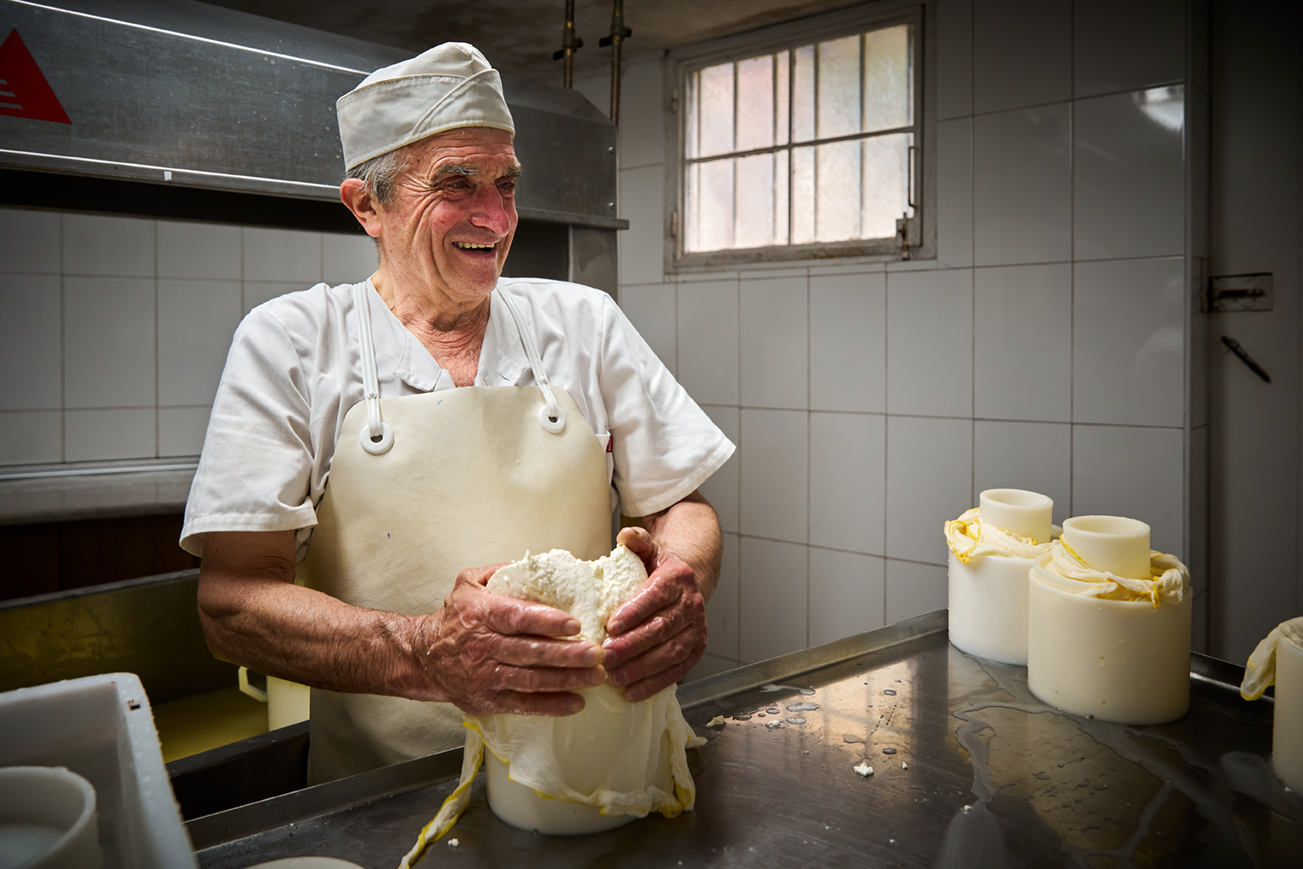
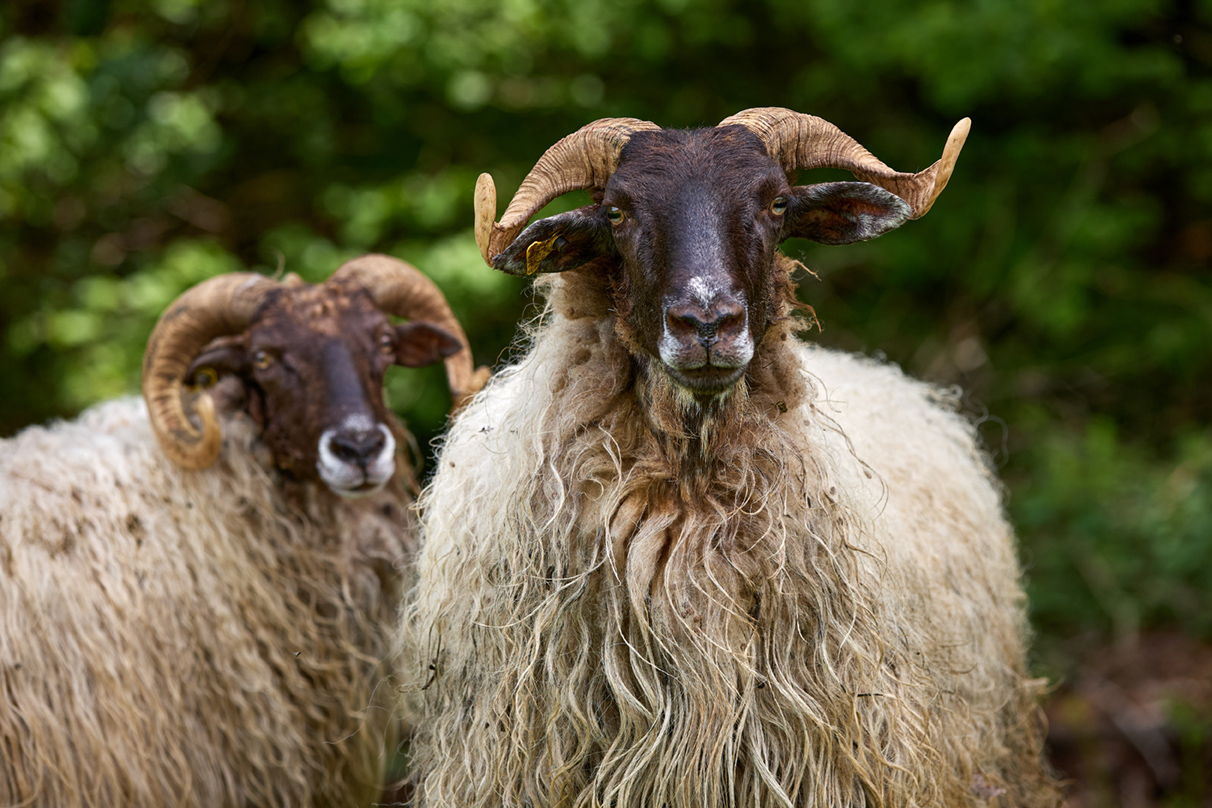
Set out towards Tierra Estella, a region renowned for the quality of its artisan products. The first highlight of the day is the Idiazabal Cheese Route, an authentic immersion in the world of livestock farmers and cheesemakers. Visits organised by the Gaztak association provide a better understanding of the different stages involved in producing this Protected Designation of Origin cheese, made from the milk of Latxa sheep grazing in the mountains of Navarre.
Continue your journey with a stop at Antsonea Cheese Farm, in the Malloas mountain range, followed by Aldaia Cheese Farm in Lezáun. With maturation cellars, ancestral techniques and tastings, these visits offer a magnificent overview of the pastoral tradition for which the region is renowned.
The afternoon is dedicated to another treasure of the Navarrese land: olive oil. In Allo, the Allotarra association offers guided tours through its centuries-old olive groves, cultivated using organic farming methods. The visit explores the different stages involved in producing an extra virgin olive oil that is naturally rich in polyphenols, followed by a tasting that reveals the full delicacy of its aromas.
If time allows, extend the day with a getaway to Urbasa and Andía Natural Park. Its vast beech forests, limestone cliffs and numerous trails invite you to walk through unspoilt nature, offering a refreshing break before continuing your itinerary.
From Idiazabal cheeses and organic olive oils to farm products and Navarrese specialities, this stage showcases a gastronomic culture deeply connected to the land and the seasons. Every encounter with the producers provides a better understanding of the local people’s attachment to their land and traditions.
To make the most of this natural region, several accessible campsites provide excellent places to stop: Camping Iratxe in Ayegui, Camping Acedo in Mendaza and Camping Artaza Urederra, ideally located at the gateway to Urbasa Natural Park.
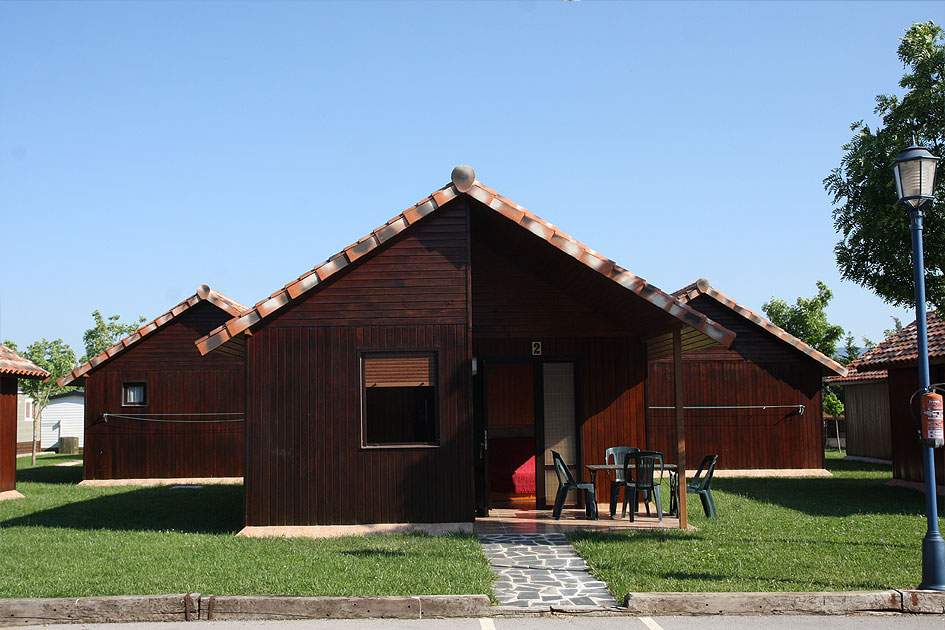
Starting from the unspoilt landscapes of Urbasa Natural Park, this day takes you towards Estella-Lizarra, one of Navarre’s most beautiful historic towns. Crossed by the Way of St James, it captivates visitors with its remarkable medieval heritage, palaces and Romanesque churches. Along the way, agricultural and gastronomic traditions continue to accompany your journey.
Make your first stop in Dicastillo to visit Zoco Distillery and enjoy an experience of aromas and flavours centred around pacharán, Navarre’s iconic liqueur. From cultivating sloes to macerating them in aniseed spirit, the visit reveals every stage in the production of this regional speciality, while a tasting allows you to appreciate its subtle aromas.
Next, continue towards Estella-Lizarra, often nicknamed the “Toledo of the North” because of the richness of its heritage. As you explore the narrow streets of the historic centre, discover the Church of San Pedro de la Rúa, notable for its Romanesque cloister overlooking the town, followed by the Palace of the Kings of Navarre, one of the few surviving examples of Romanesque civil architecture in Spain. Among bustling squares, ancient bridges and charming houses, the town bears witness to the importance it once held along the Way of St James.
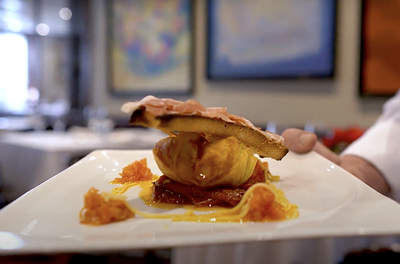
The journey continues with a dinner celebrating Navarre’s iconic products. Delicately roasted piquillo peppers pair perfectly with pochas, tender white beans traditionally cooked with chistorra sausage. A generous, simple and flavoursome cuisine that reflects the true authenticity of the Navarrese land.
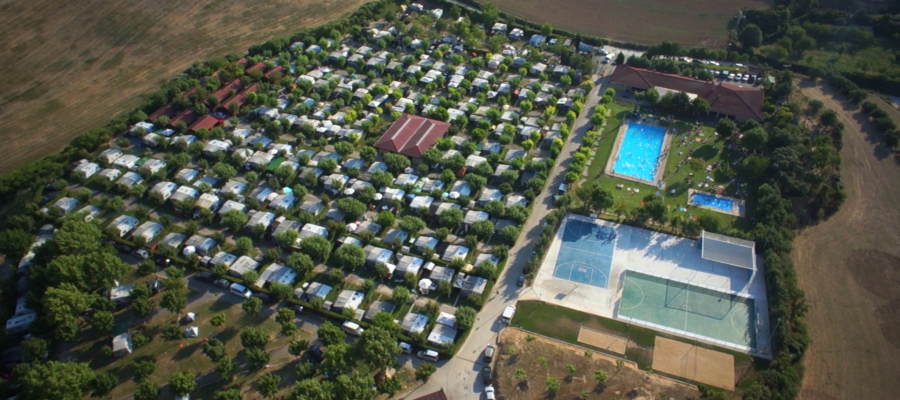
For a stay surrounded by nature, Lizarra and Aritzaleku campsites offer accessible facilities in a peaceful setting. Those seeking charming accommodation will enjoy Hostal Rural Casa Nahia in Lorca or Agroturismo Mari Cruz in Villanueva de Arce, where the hospitality and rural surroundings provide a pleasant continuation of your immersion in the heart of Navarre.
This stage takes you into the heart of southern Navarre, a land shaped by vineyards, orchards and magnificent historic towns. From Roman remains and the palaces of the Kings of Navarre to wineries and agricultural traditions, the day reveals an extraordinarily rich heritage where history and gastronomy go hand in hand.
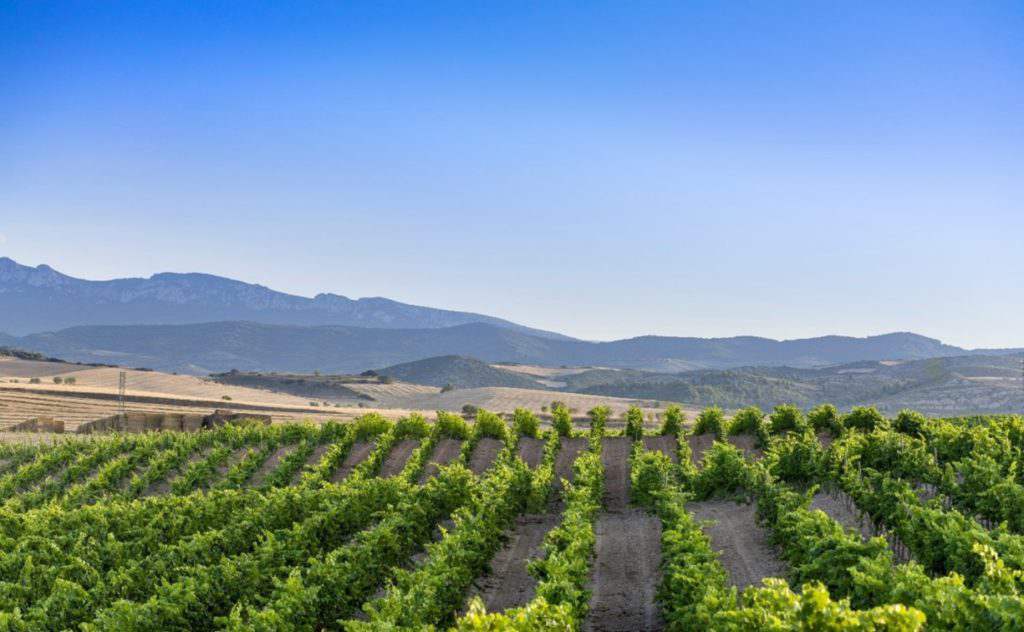
The morning begins in San Adrián, where the La Fábrica Vieja Canning Museum explores the rise of Navarre’s agri-food industry. Preserved fruit and vegetables have contributed greatly to the region’s reputation, and it remains renowned today for the quality of its produce.
Continue towards Mendigorría to explore the Andelos archaeological site, an exceptionally well-preserved ancient Roman town. Its museum provides a better understanding of how the settlement was organised and the ingenuity of its water supply system, which bears witness to Roman expertise.
In the afternoon, head to the vineyard-covered hillsides of San Martín de Unx, renowned for their rosé wines. A visit to Máximo Abete Winery provides an opportunity to meet the winegrowers and discover the characteristics of this iconic appellation. The “Gozatu” experience is designed as a complete day out, including a guided tour of the facilities overlooking the Sierra de Guerinda, a chistorra kit to prepare and enjoy outdoors, and a wine tasting.
A few kilometres away, the medieval village of Ujué rises on top of a hill. Dominated by its impressive fortified church, it offers exceptional panoramic views of the Navarrese landscape. Take the opportunity to sample Andiaga’s artisan honey, produced using traditional methods that showcase the region’s rich variety of flowers.
The day ends in Olite, the former residence of the Kings of Navarre and the birthplace of the region’s wine tradition. Its spectacular Royal Palace, with its towers, hanging gardens and elegant interior courtyards, is considered one of the most beautiful medieval castles in Europe. Before heading to your accommodation, visit one of the town’s iconic wineries, such as Ochoa or Cosecheros de Olite, to discover the great wines for which the town is now renowned. For a complete wine experience, visit Reyna de Copas, a wine shop that offers guided tours combining cultural and gastronomic heritage alongside its gourmet products.
From the rosé wines of San Martín de Unx and the great wines of Olite to the honey of Ujué and the produce grown in the Ebro Valley, this stage celebrates a generous land where agricultural traditions and gastronomic excellence have been combined for centuries.
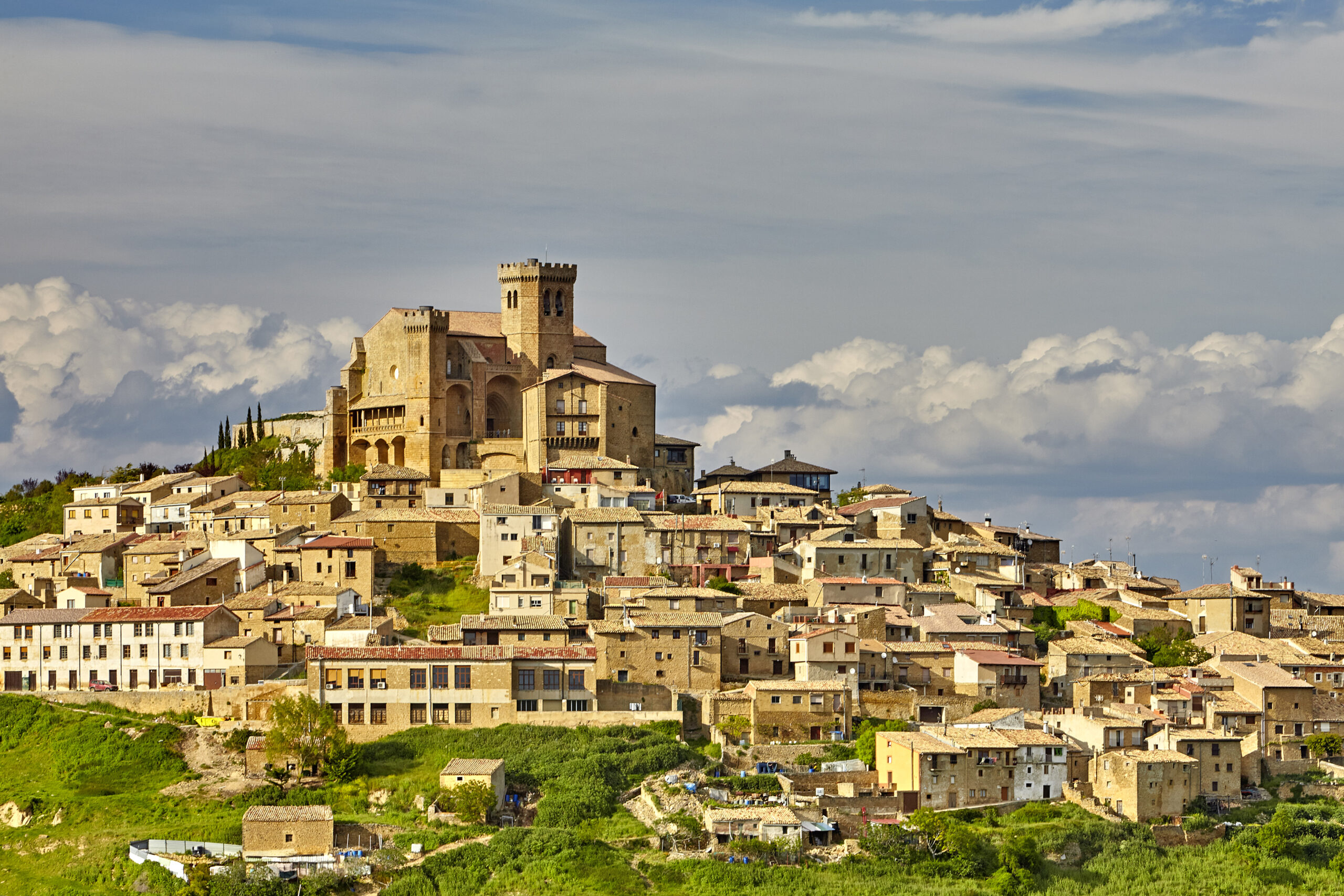
Olite is an ideal place to spend the night and enjoy the unique atmosphere of this royal town. Its charming accommodation allows you to continue discovering its heritage before resuming your journey through Navarre.
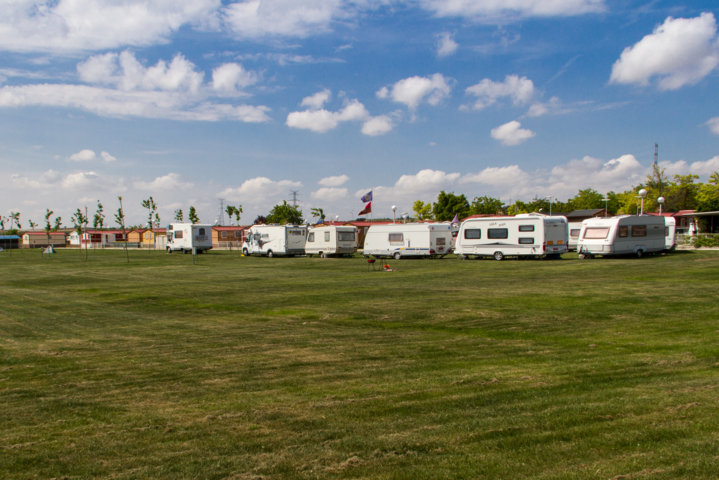
The journey changes character once again upon reaching southern Navarre. Between the sculpted formations of the Bardenas Reales and the fertile lands of La Ribera, this stage reveals two completely contrasting worlds that together form one of the region’s most surprising facets. From spectacular landscapes to market gardens whose produce is distributed throughout Spain, nature is the true protagonist here.
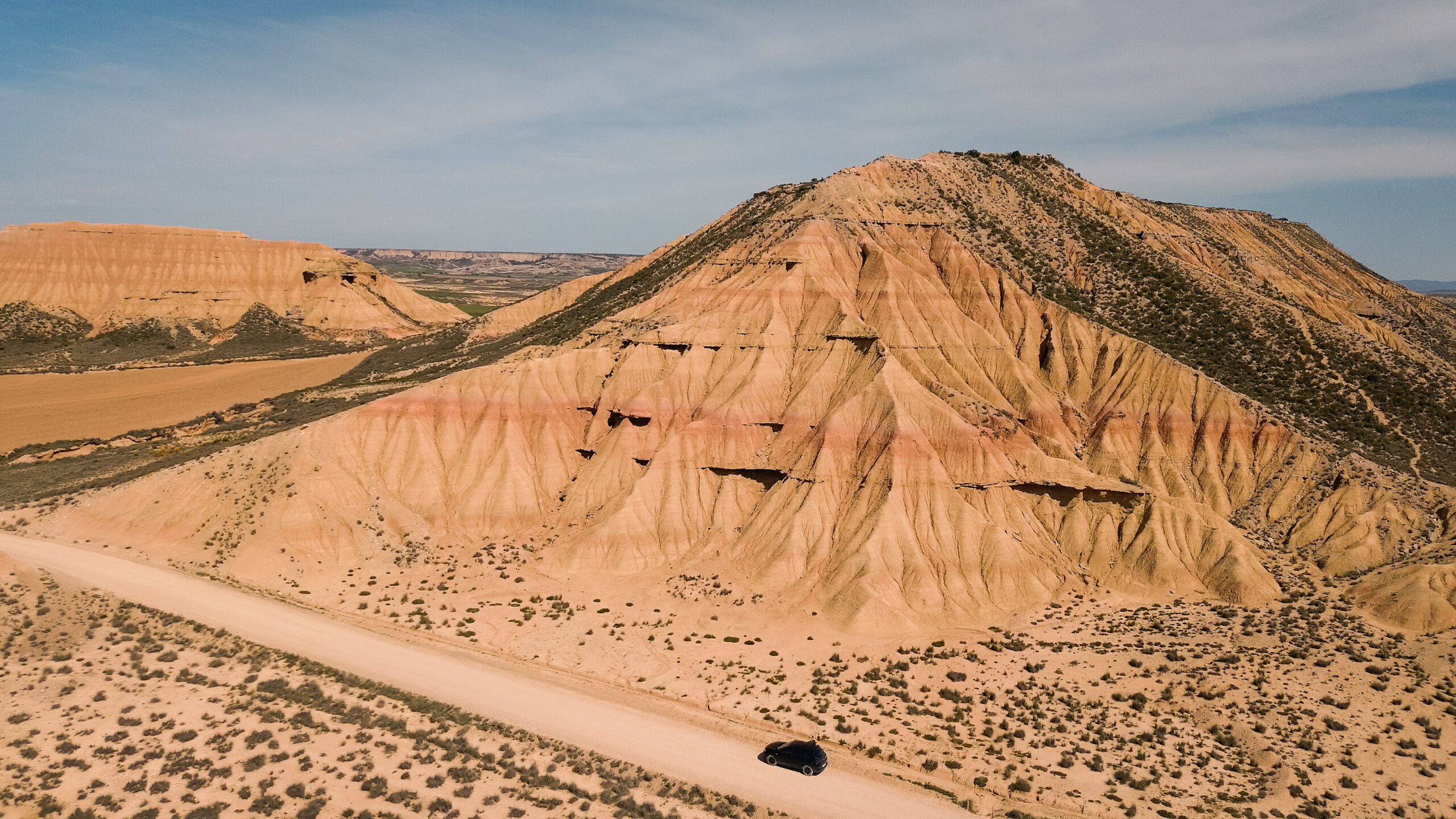
The morning begins in the Bardenas Reales, an extensive semi-arid desert declared a UNESCO Biosphere Reserve. Travel by buggy, off-road vehicle or bicycle through this remarkable landscape of canyons, plateaus and fairy chimneys sculpted by erosion. Along the way, enjoy a delicious picnic of Navarrese specialities, where Idiazabal cheese and artisan cured meats pair perfectly with the extraordinary surroundings.
The next stop is Tudela, the historic capital of La Ribera, a charming city born between the arid landscapes of the Bardenas and the intense green of its market gardens. Founded on the banks of the River Ebro, the city is famous both for its heritage and its exceptional vegetable production. Stroll through the streets of the historic centre before discovering a cuisine where seasonal vegetables grown in the valley’s fertile soil take centre stage.
If you wish, extend your discovery with a getaway to Cintruénigo, where Maher Restaurant creatively reinterprets the traditional recipes of La Ribera, showcasing local produce.
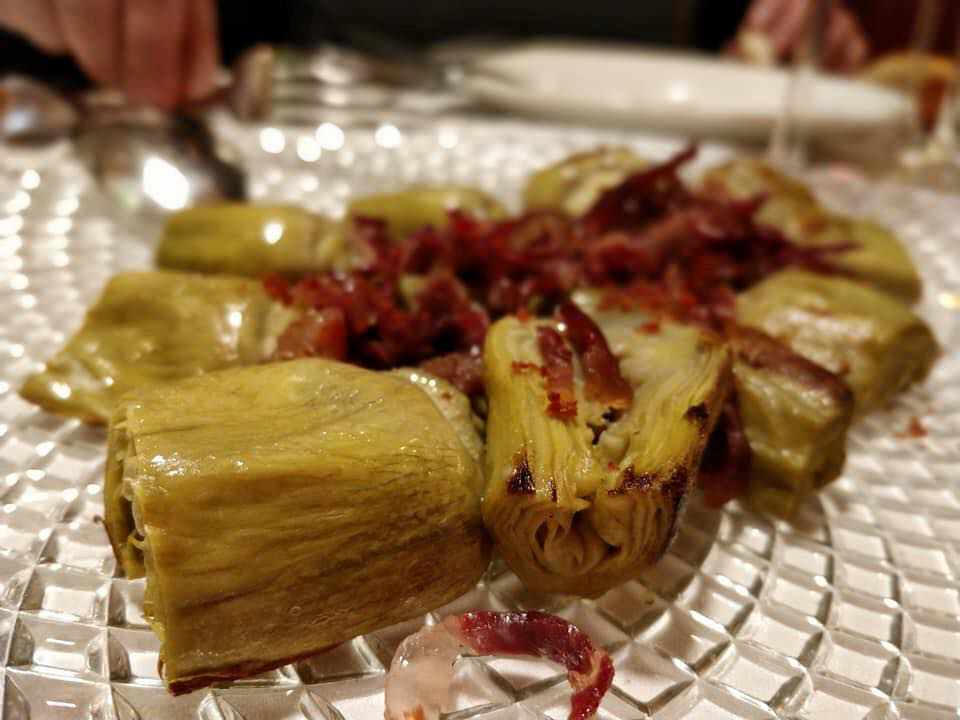
Tudela is often regarded as Navarre’s vegetable capital. Artichokes, borage, asparagus, peppers and other produce from the market gardens of the Ebro Valley take pride of place in a refined cuisine that showcases the exceptional quality of the local harvests. An essential stop for gastronomy enthusiasts.
For an original experience surrounded by the desert landscape, Aire de Bardenas Hotel offers contemporary architecture that exists in perfect harmony with its surroundings, while RuralSuite provides a comfortable stay in the heart of the Navarrese countryside. In Tudela, Hotel Santamaría and AC Hotel Ciudad de Tudela, both accessible to people with reduced mobility, provide excellent bases for discovering the city and its surroundings.
After the desert landscapes of La Ribera, the route heads back towards the historic heart of Navarre, rejoining the great pilgrimage routes. Among villages associated with the Way of St James, Romanesque monuments and Pamplona’s lively atmosphere, this stage connects the southern lands with the traditions that have shaped Navarrese identity for centuries.
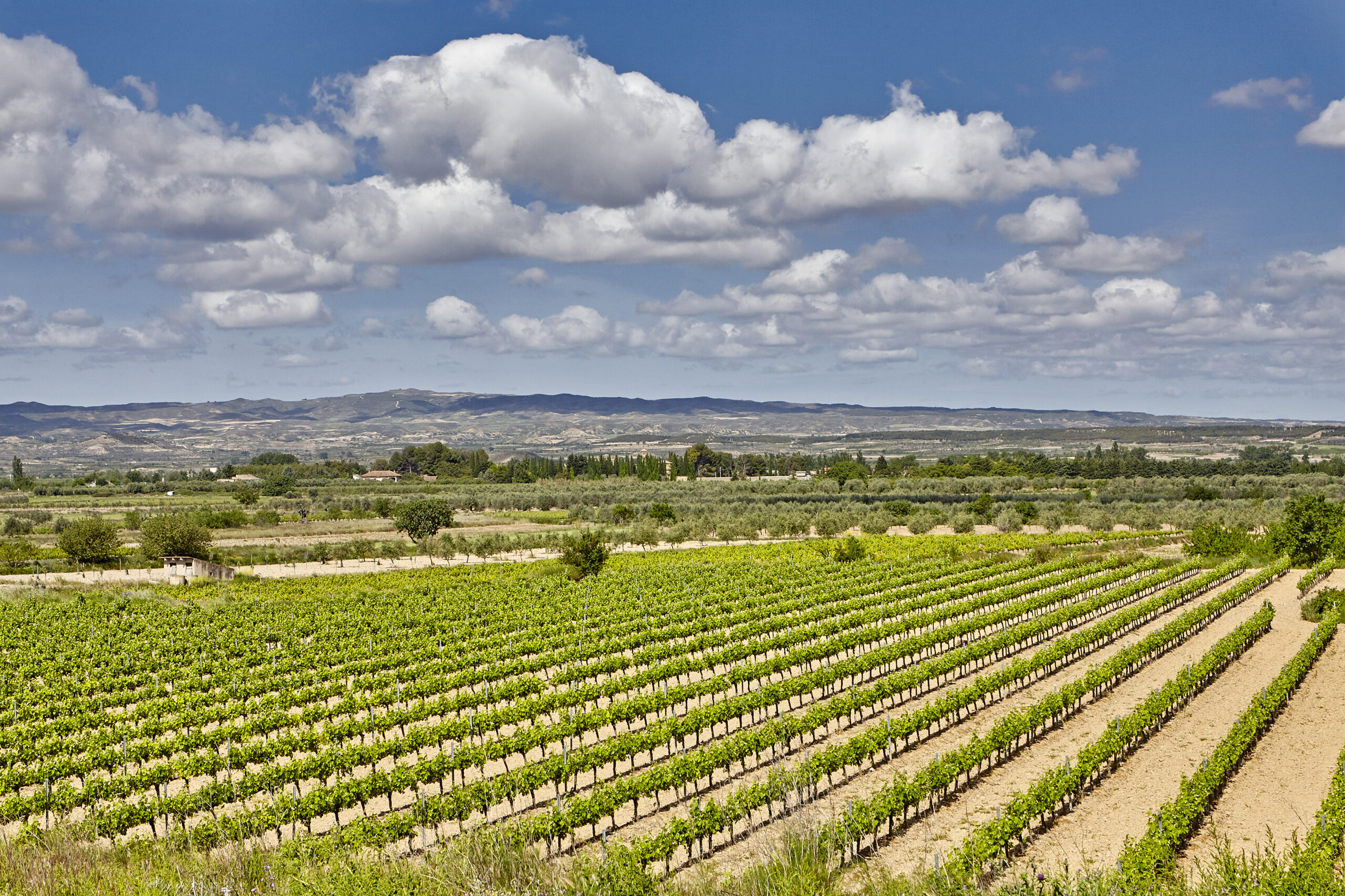
The route then reaches Pamplona, the historic and present-day capital of Navarre. Enjoy one final walk through the old town to rediscover its bustling squares, narrow streets steeped in history and the iconic locations associated with the San Fermín Festival. Between the city walls, cathedral and shopping streets, the city offers a rich concentration of heritage and the Navarrese way of life.

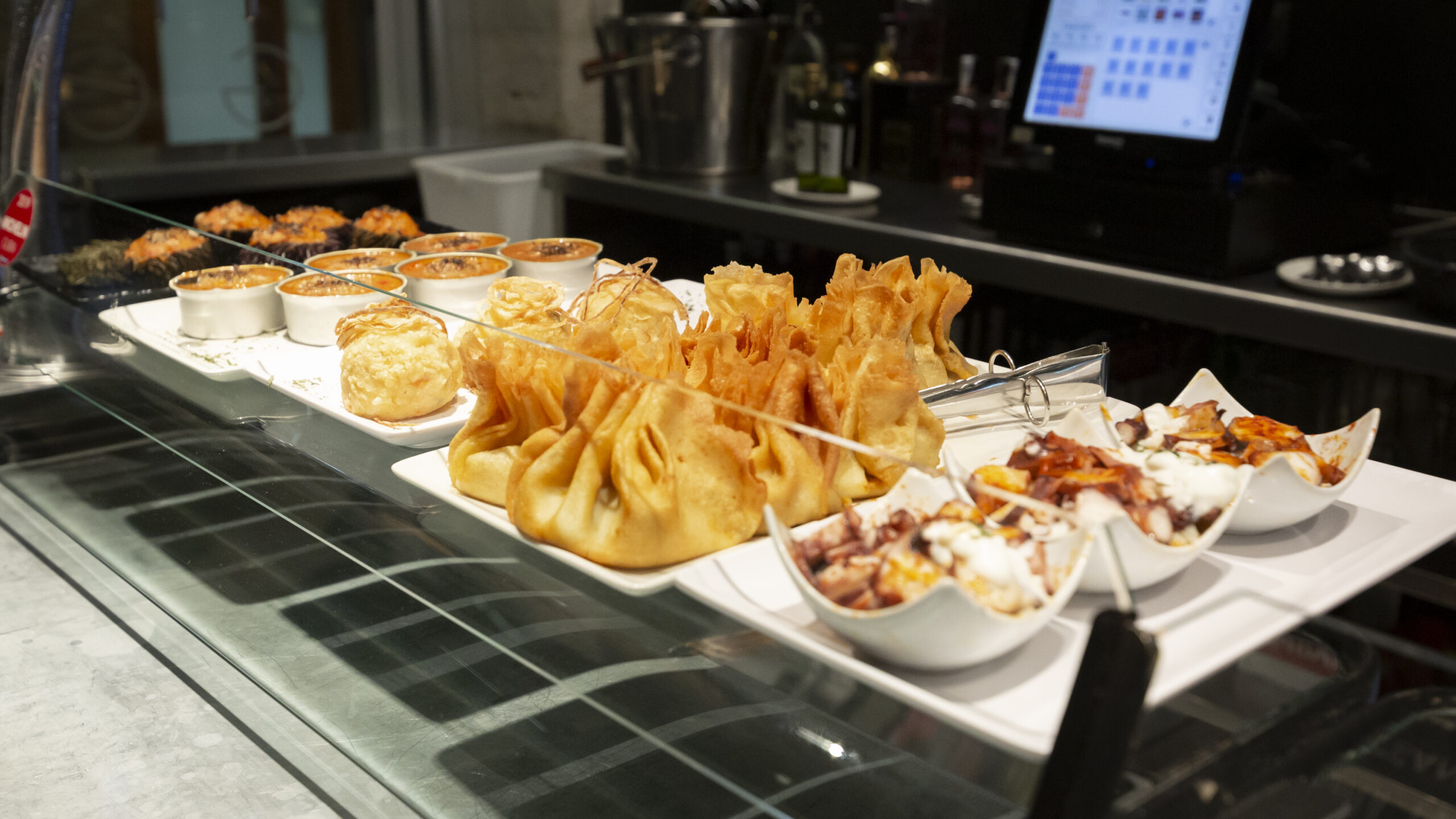
For this final evening, immerse yourself in the pintxo tradition as you explore the bars of the old town. Their counters are filled with small gastronomic creations to be shared in a welcoming atmosphere.
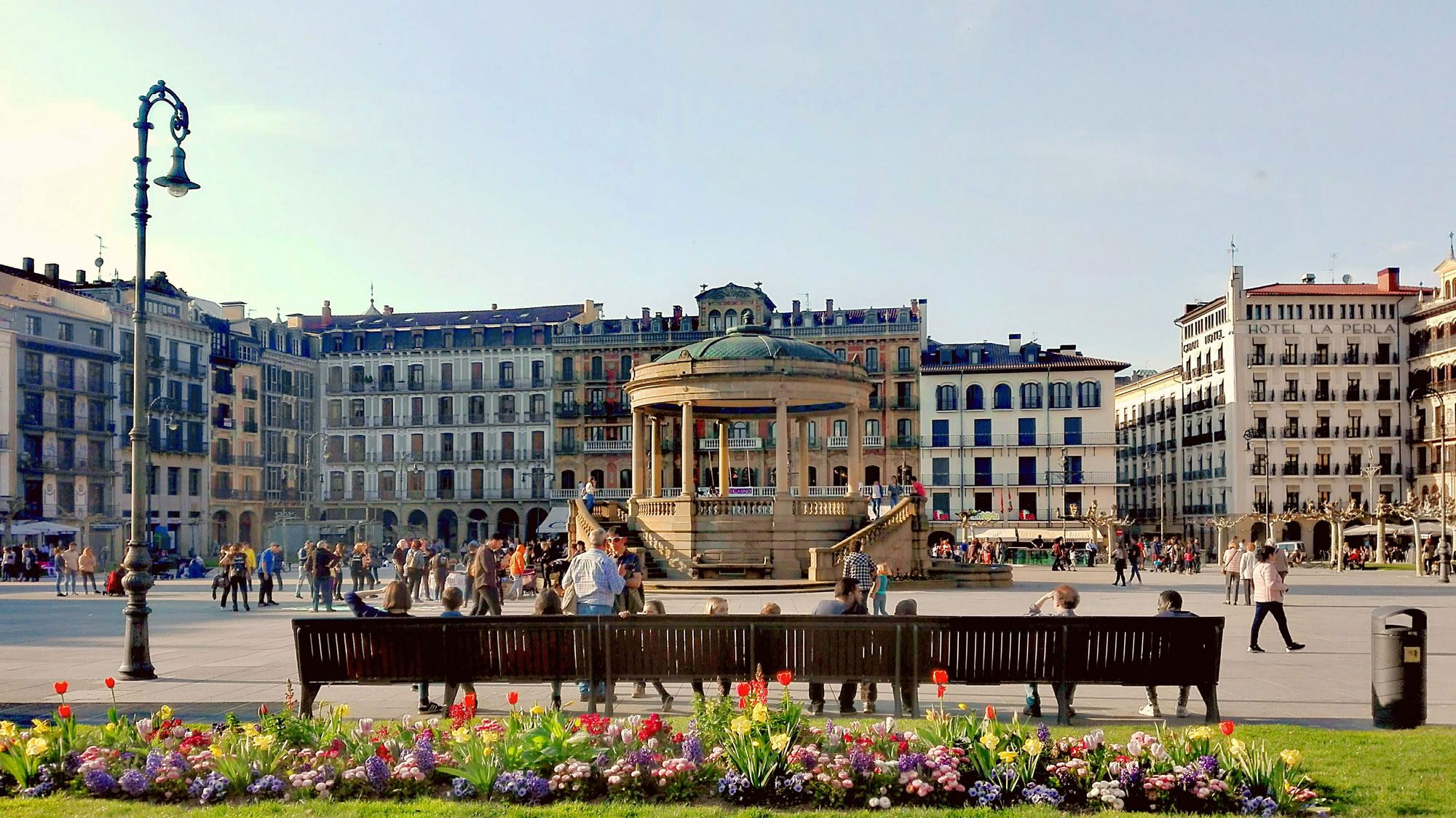
All beautiful adventures must come to an end, but the memories they leave behind remain for a long time. Before leaving Navarre, take a little more time to wander through Pamplona’s narrow streets, enjoy one final coffee on a terrace in Plaza del Castillo or take home some local specialities to extend the experience of your getaway.
Then it is time to head to Pamplona Airport, located around twenty minutes from the city centre. You will leave with memories of an itinerary filled with contrasts, which has taken you from the Atlantic coast to the desert landscapes of the Bardenas Reales, passing through Basque villages, Navarrese valleys, vineyards, routes to Santiago and the gourmet dining experiences for which this exceptional region is renowned.

Le projet GATURl2 EFA 043/01 a été cofinancé a 65% par l'Union européenne a travers le Programme lnterreg VI-A Espagne-FranceAndorre (POCTEFA 2021-2027).
El proyecto GATURI2 EFA 043/01 ha sido cofinanciado en un 65% por la Unión Europea a través del programa lnterreg VI-A EspañaFrancia-Andorra (POCTEFA 2021-2027).
GATURI2 EFA 043/01 proiektua % 65ean finantzatu du Europar Batasunak lnterreg VI-A Espainia-Frantzia-Andorra (POCTEFA 2021-2027) programaren bidez.





The Merca’o , Pamplona (Navarra) Website
Sale of Ulzama , Belate. Port of. (Navarra) Website
Donamaria´ko Benta , Donamaria (Navarra)
Arotxa , Legasa (Navarra) Website
Txulotxo , Pasai Donibane (Guipuzkoa) Website
Agorregi , San Sebastian-Donostia. (Guipuzkoa) Website
Topa , San Sebastian-Donostia. (Guipuzkoa)
Zeria , Hondarribia (Guipuzkoa)
Zabala , Vitoria-Gasteiz (Alava)
The Charters , Bilbao (Bizkaia)
Kimtxu , Bilbao (Bizkaia)
The School , Bilbao (Bizkaia)
Casa Toni , San Vicente de la Sonsierra. (The Rioja)
Morro Tango , Alfaro. (La Rioja) Website
Ramón’s kitchen , Logroño. (La Rioja) Website
Txebico Cachetero , Logroño. (La Rioja) Website
Briketenia , Guethary . (Pays Basque) Website
Ahizpak , Bidart . (Pays Basque) Website
Maison Joanto , Briscous . (Pays Basque) Website