

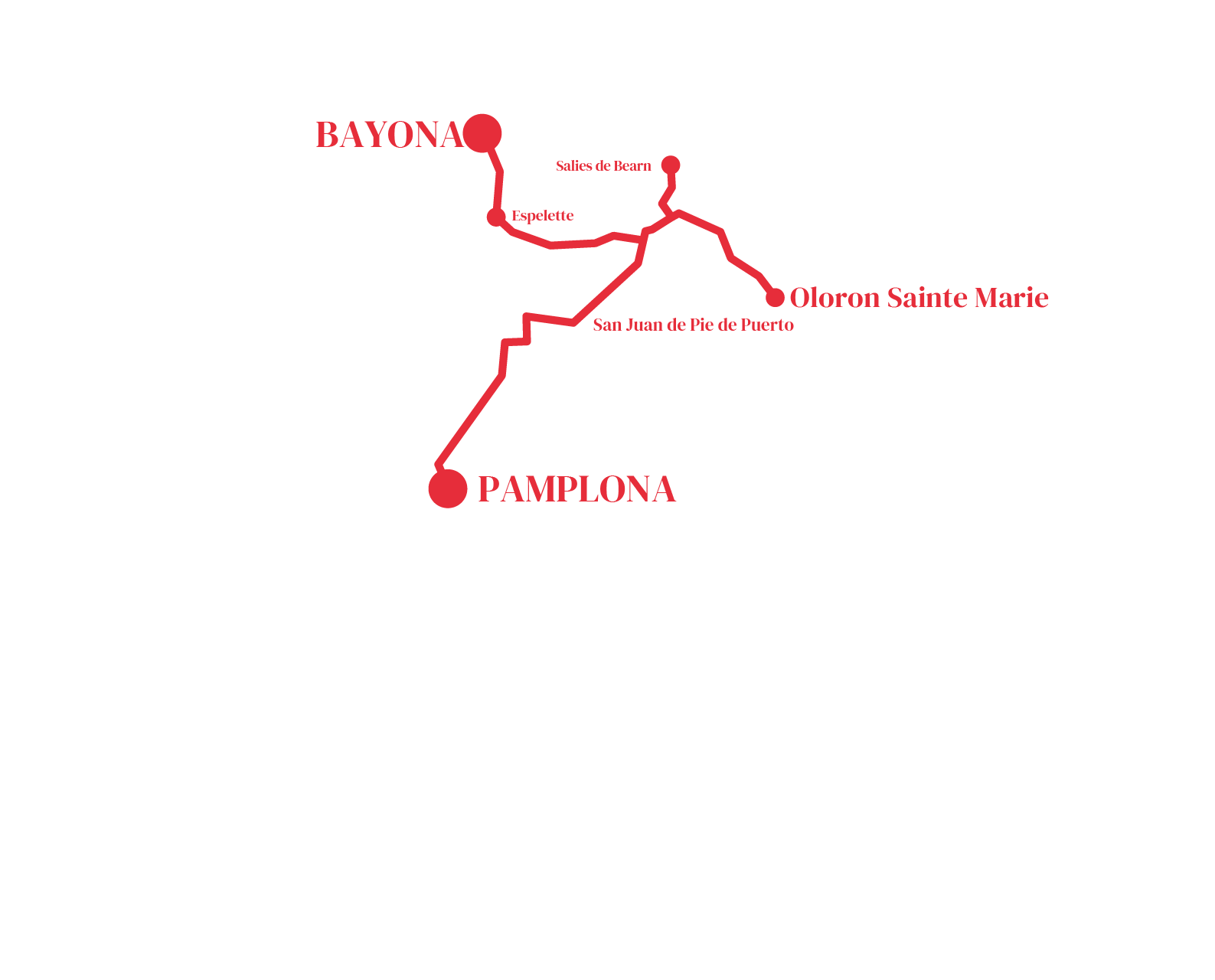
The journey begins in Pamplona, the historic and present-day capital of Navarre, where heritage, gastronomy and the art of living blend together naturally. Behind its city walls, the city reveals a bustling historic centre, outstanding monuments and a culinary culture that has made it famous far beyond the renowned San Fermín Festival. An ideal first stage for immersing yourself in the identity of Navarre before heading towards the mountains and the coast.

Begin with a guided walk through the old town, the true heart of Pamplona. Among medieval streets, lively squares and ancient fortifications, the city reveals the iconic locations that have shaped its history.
The visit continues at the Cathedral of Santa María, a remarkable Gothic building whose cloister is considered one of the most beautiful in Spain. Its museum explores several centuries of Navarrese history and recalls Pamplona’s role along the routes to Santiago de Compostela.
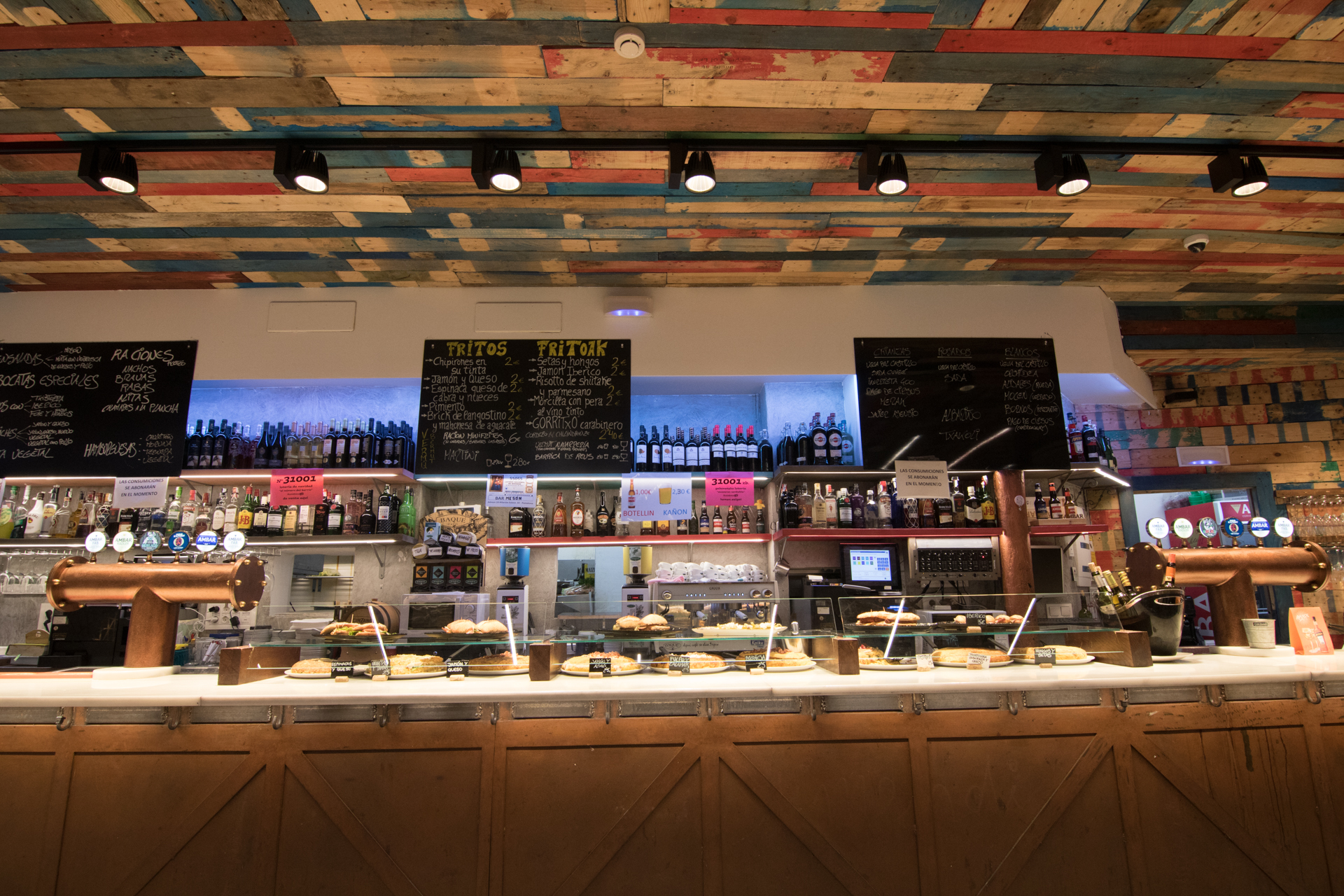
At aperitif time, make your way from bar to bar to sample the famous pintxos, a true Navarrese ritual. Surprising flavours, high-quality local ingredients and culinary innovation concentrated into a single bite have shaped the city’s gastronomic reputation, because a Navarrese pintxo is much more than a tapa: it is the perfect combination of deep-rooted tradition and culinary creativity. Traditional establishments now stand alongside original restaurants, offering a magnificent showcase of Navarrese cuisine. If you would prefer to continue the evening in a more formal setting, you will find numerous renowned establishments in the heart of the historic centre.
Pamplona offers a gastronomic scene that is as varied as it is generous. Pintxo enthusiasts will enjoy essential establishments such as Bar El Bosquecillo, Mesón de la Tortilla, Bar La Granja, Txirrintxa, Bar Gaucho and Baserriberri, which creatively reinterpret the great classics of Navarrese cuisine.
For a more refined lunch or dinner, Restaurante Alhambra places local produce centre stage, while El Molino de Urdániz, a two-Michelin-starred restaurant, showcases seasonal ingredients through its creative cuisine.
Several gastronomic destinations near Pamplona are also well worth a visit. Otazu Winery, set within an elegant 19th-century wine estate, combines architecture, contemporary art and wine tasting. In Izu, Casa Amezqueta showcases artisan local products through a selection of oils, cheeses and wine.
Finally, do not miss Fika Café, a calm and welcoming place in the heart of the city where you can enjoy speciality coffee and a tempting selection of homemade cakes.
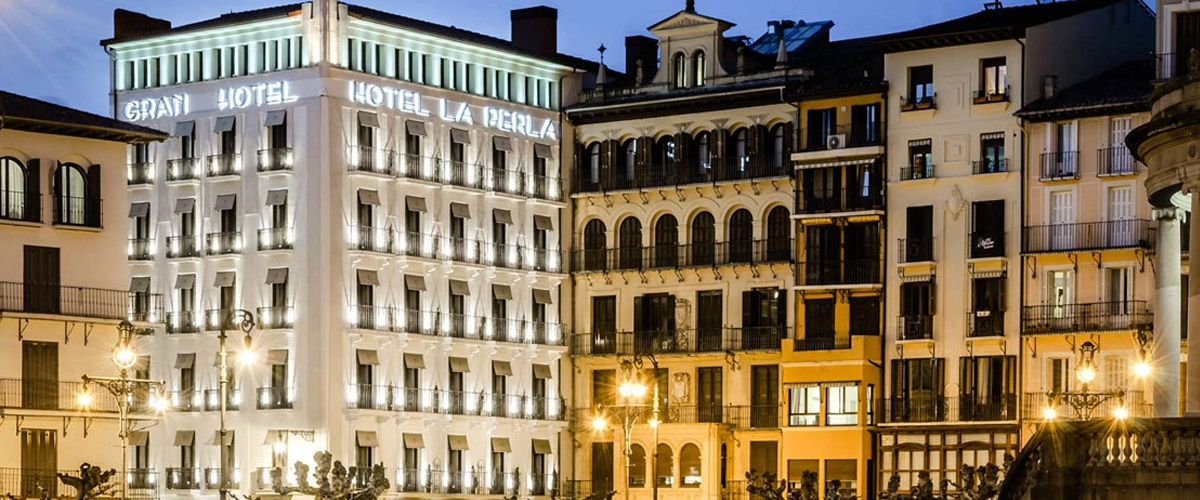
To make the most of the lively atmosphere of the historic centre, several establishments offer an excellent base: La Perla, Tres Reyes, Maisonnave and Pamplona Catedral hotels. On the outskirts of the city, Castillo de Gorraiz Hotel & Spa, Hotel Luze El Toro, Agroturismo Mari Cruz and Basoa Suites, with their treetop cabins, allow you to extend this first stage in a more peaceful setting combining nature and elegance.
As you leave Pamplona, the road gradually enters the heart of the Navarrese Pyrenees. The landscapes become wilder, alternating between lush forests, green valleys and mountain villages where pastoral farming continues to shape the rhythm of everyday life. This stage takes you into the French Basque Country to discover a region where unspoilt nature, gastronomy and expertise are passed down from one generation to the next.
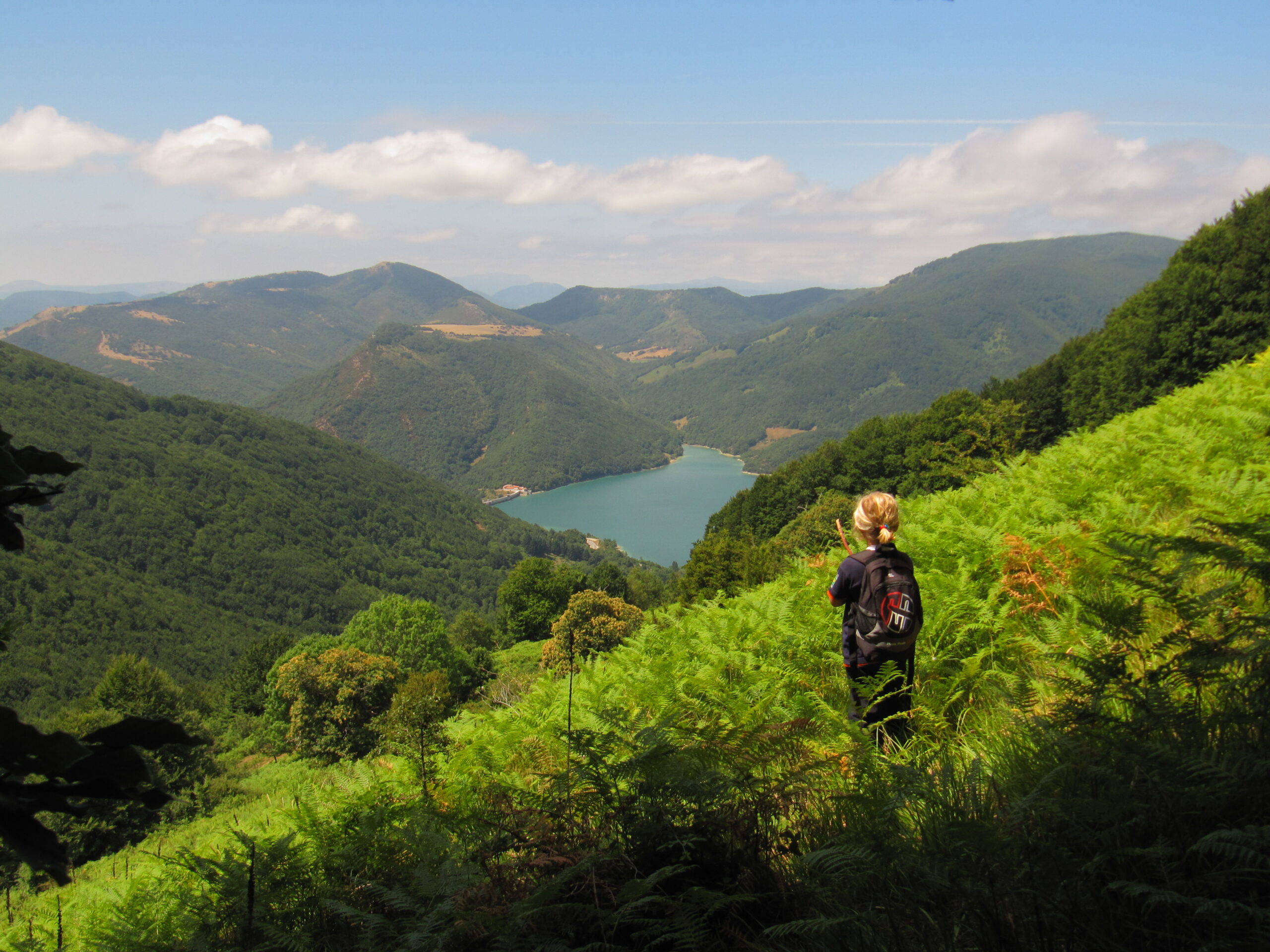
Make your first stop in Zubiri, a charming village crossed by the Way of St James. Its iconic Puente de la Rabia, a medieval bridge steeped in legend, invites you to take a gastronomic break and sample Navarrese pâtés. A few kilometres further on, Eugi reveals a spectacular landscape of forests and mountains. In autumn, the woodland attracts mushroom enthusiasts, while the lake provides an ideal setting for a walk.
After crossing the Pyrenees, head to the Aldudes Valley, renowned for its livestock farms and mountain cuisine. It is the perfect opportunity to sample iconic specialities such as veal axoa, duck confit and Ossau-Iraty cheese, made from the milk of sheep that graze in the surrounding countryside during the summer.
The afternoon continues in Saint-Étienne-de-Baïgorry, an elegant village nestled at the foot of the mountains. Its Château d’Etchaux, built in the 13th century, overlooks the red-and-white façades of the village houses, while the Roman bridge crossing the River Nive recalls the strategic importance of this valley between France and Navarre.
Before the end of the day, visit the Cave d’Irouléguy to meet the winegrowers who cultivate their vines on spectacular terraced hillsides. A tasting will allow you to appreciate the distinctive character of these mountain wines. Gastronomy enthusiasts can also stop in Banka to visit the renowned Truite de Banka, a celebrated fish farm whose trout feature on the menus of numerous Michelin-starred restaurants.
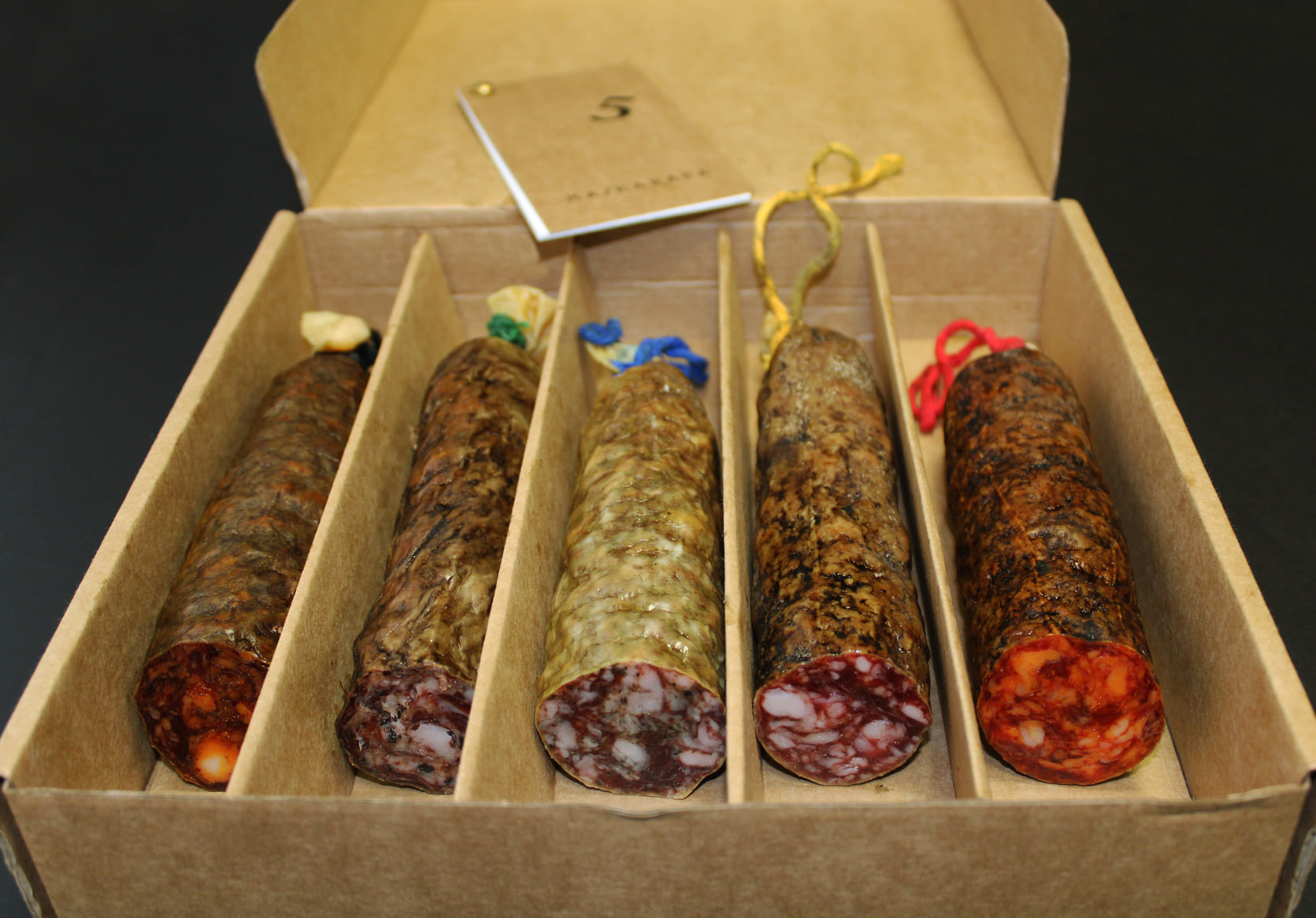
This stage celebrates the finest products of the Pyrenean region: artisan cured meats, Ossau-Iraty sheep’s cheese, Irouléguy wines, Banka trout and mountain cuisine come together in a gastronomic stop where authenticity and tradition take centre stage.
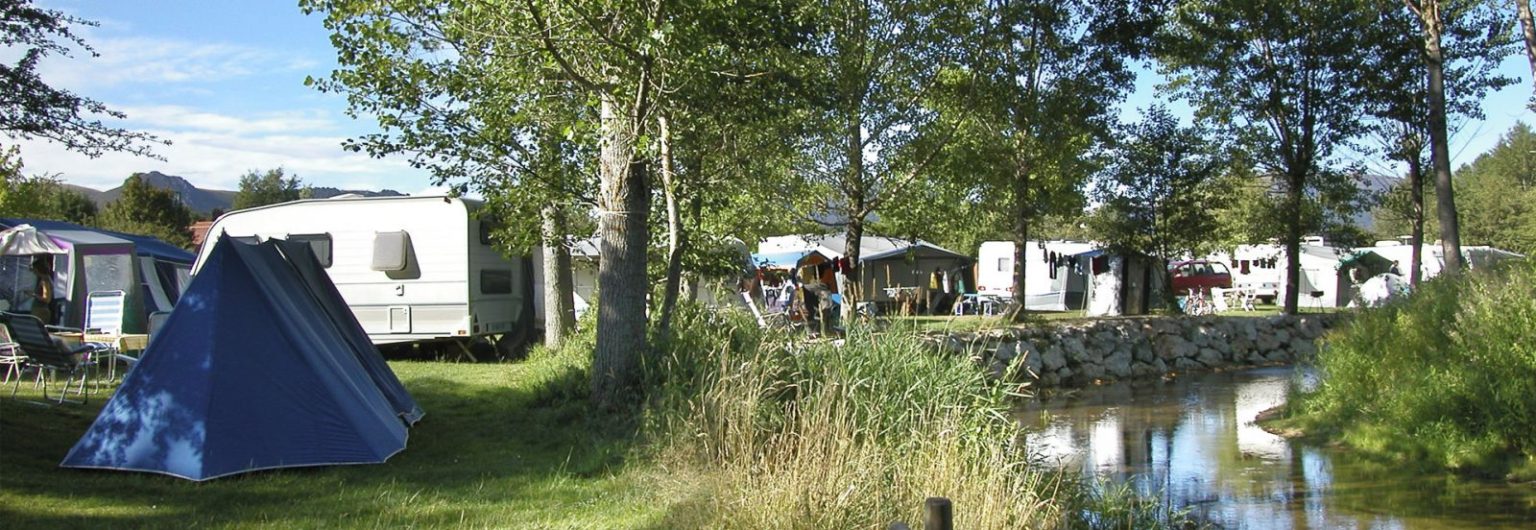
For a night surrounded by nature, Camping Urrobi in Aurizberri-Burguete is an excellent choice, with accessible facilities. Those seeking a more intimate atmosphere will enjoy the Idiartekoborda guest rooms in Saint-Étienne-de-Baïgorry, where the warm welcome perfectly complements the valley’s charm.
This stage takes you from the foothills of the Basque Country to the rolling landscapes of Béarn. Following part of the routes to Santiago de Compostela, fortified villages, spa towns and historic cities form an itinerary where heritage and gastronomy complement each other beautifully. A day shaped by craftsmanship, panoramic views and the art of living well.
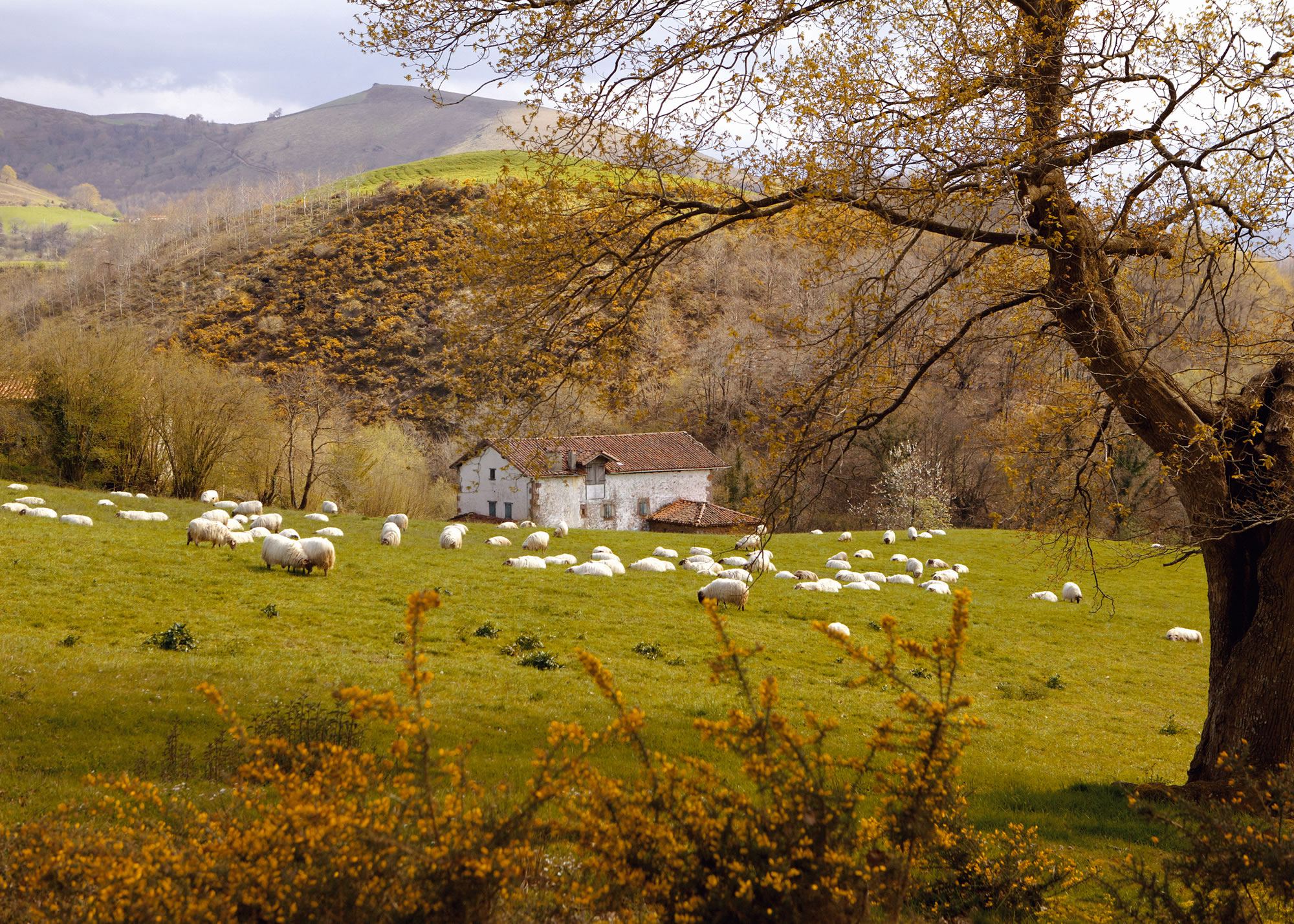
Begin your journey in Saint-Jean-Pied-de-Port, one of the historic gateways to the routes to Santiago. Behind its city walls, cobbled streets invite you to wander among historic houses, delicatessens and artisan workshops. Stop at Pierre Oteiza’s charcuterie to discover the famous Kintoa pig, an iconic breed of the Basque Country, before giving in to the temptation of the artisan macarons for which the town is also renowned.
The route then continues towards Sauveterre-de-Béarn, a magnificent medieval town overlooking the Gave d’Oloron. From its city walls and Pont de la Légende, the views over the valley are among the most spectacular in Béarn. Take the opportunity to enjoy a lunch centred around foie gras, accompanied by a glass of Jurançon wine.
Continue to Salies-de-Béarn, the famous “Town of Salt”, whose historic houses cluster around the saltwater spring that brought it prosperity. Take your time to relax in the thermal baths, renowned for the benefits of their naturally salty waters, before exploring the elegant streets lined with Belle Époque buildings.
The day ends in Oloron-Sainte-Marie, at the foot of the Pyrenees. Dominated by its Sainte-Marie Cathedral, declared a UNESCO World Heritage Site as part of the Routes of Santiago de Compostela, the city reveals a rich religious and architectural heritage. In the cathedral square, a tasting of Ossau-Iraty cheese and Béarnais macarons provides the perfect finishing touch to this day dedicated to gastronomic traditions.
Several accommodation options in Oloron-Sainte-Marie allow you to extend this stage in comfort. The L’Amphitryon guest rooms stand out for their warm welcome, while L’Escargot Bleu, adapted for people with reduced mobility, offers comfortable accommodation in the heart of the town. For a more authentic countryside experience, Ferme Bourdasse in Saucède provides a peaceful setting at the gateway to the Pyrenees.
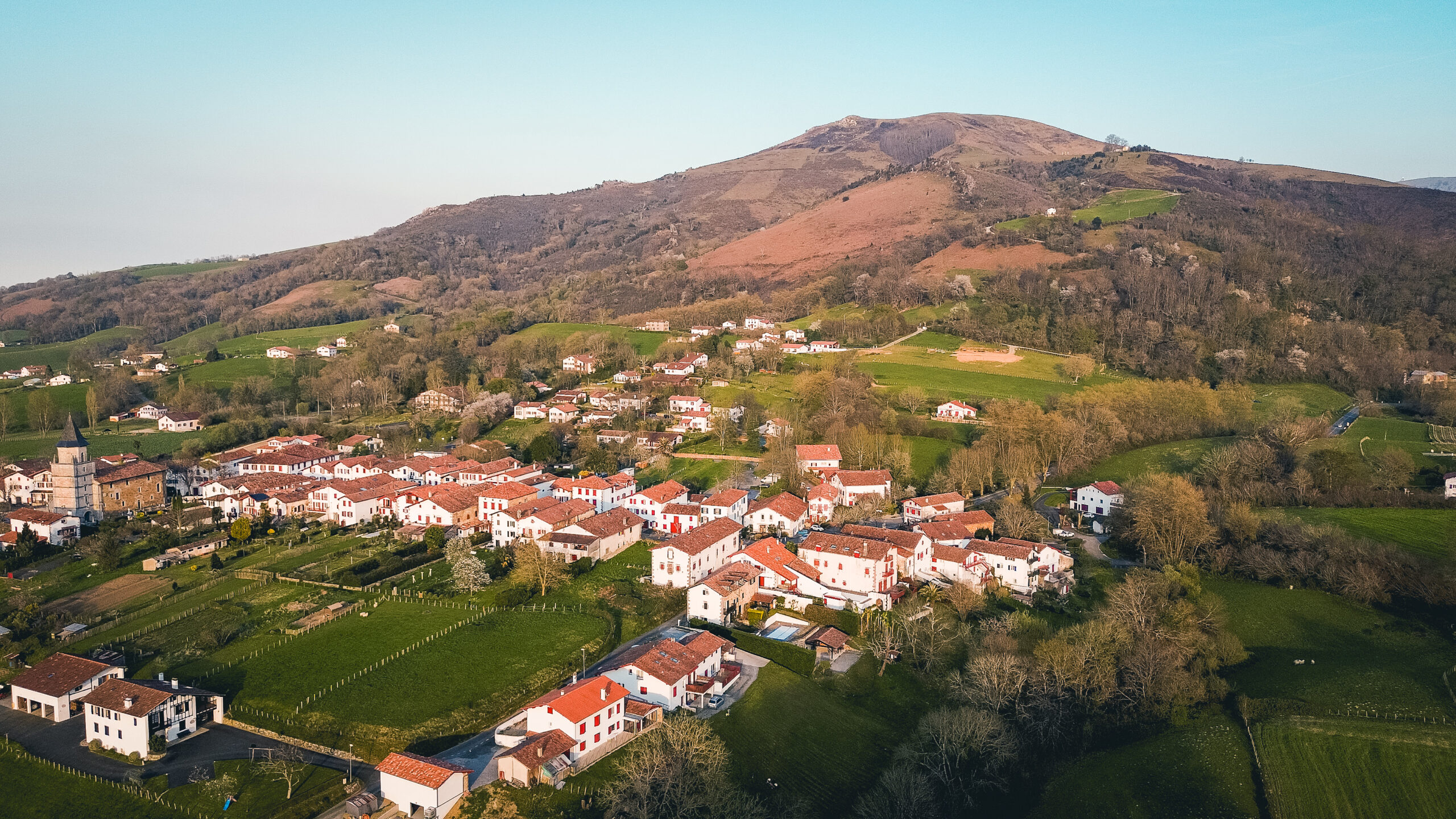
This day takes you back to the French Basque Country, where the green hills gradually reveal glimpses of the ocean. Among charming villages, traditions and coastal elegance, the itinerary reveals the full richness of a region deeply attached to its identity. From Espelette’s pepper-decorated façades to the beaches of Biarritz, each stage celebrates the Basque art of living well.
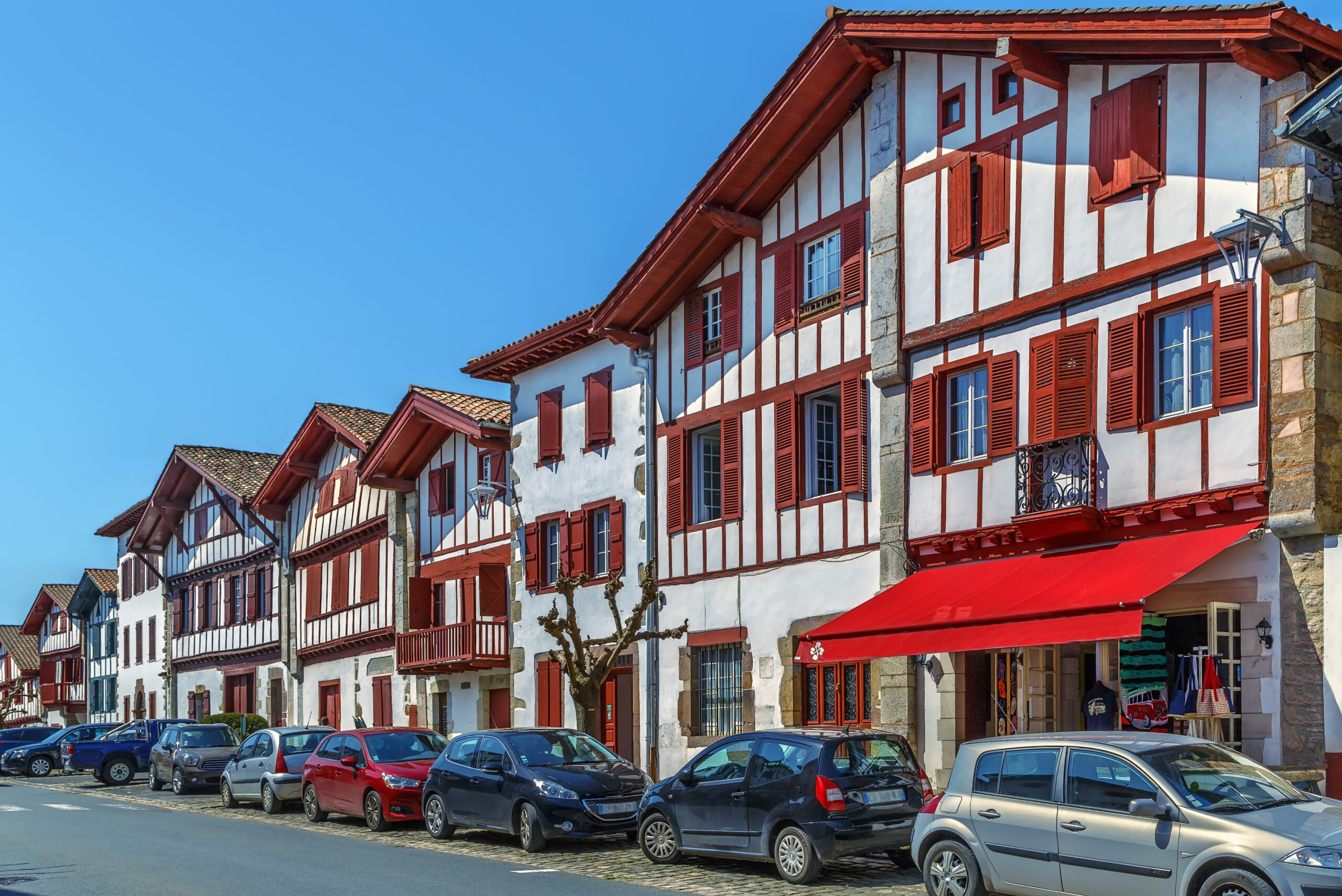
Your first stop is Espelette, whose whitewashed houses are decorated with long strings of red peppers that have made the village famous. If you visit on a Wednesday, take your time to explore the traditional market, where producers place local flavours centre stage. A visit to the Ateliers du Piment will then provide a better understanding of the history of this iconic spice, which holds Protected Designation of Origin status, from its cultivation to its preparation.
Continue towards Ainhoa, recognised as one of the “Most Beautiful Villages of France”. Its main street, lined with magnificent Labourd-style houses with red shutters, is a remarkable example of Basque architecture. The Maison du Patrimoine offers an immersive experience through a panoramic projection exploring the history of the region and the villages of Xareta.
Just a few minutes away, in Sare, Ortillopitz opens the doors of an authentic 16th-century Basque house. This visit provides a better understanding of how traditional farms were organised, the role of the house in Basque society and the traditions that continue to be passed down today.
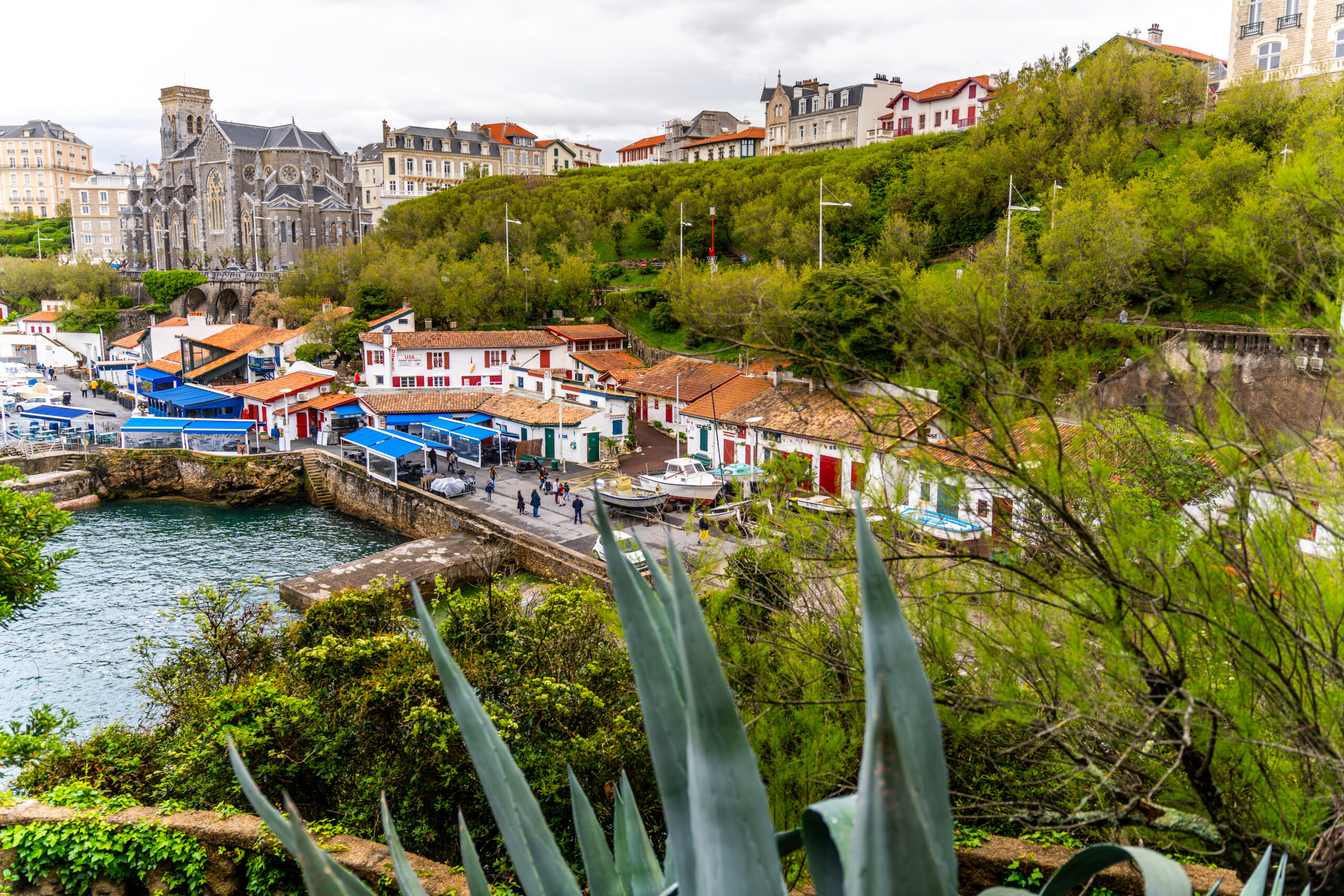
The day ends in Biarritz, a former fishing town that became a popular seaside resort during the Second French Empire. Stroll through Port-Vieux, the narrow streets of the former fishermen’s quarter and Les Halles, where seafood stands alongside Basque specialities. Depending on your preferences, enjoy a moment of relaxation by the coast, a surfing session on the Atlantic waves or a walk through the elegant shopping streets for which the city is renowned.
Here, Espelette pepper accompanies the finest regional specialities: axoa, cured meats, sheep’s cheeses, artisan chocolates and traditional pastries form a generous cuisine in which every product reflects local expertise. A gastronomic stop that perfectly encapsulates the distinctive personality of the Basque Country.

Le projet GATURl2 EFA 043/01 a été cofinancé a 65% par l'Union européenne a travers le Programme lnterreg VI-A Espagne-FranceAndorre (POCTEFA 2021-2027).
El proyecto GATURI2 EFA 043/01 ha sido cofinanciado en un 65% por la Unión Europea a través del programa lnterreg VI-A EspañaFrancia-Andorra (POCTEFA 2021-2027).
GATURI2 EFA 043/01 proiektua % 65ean finantzatu du Europar Batasunak lnterreg VI-A Espainia-Frantzia-Andorra (POCTEFA 2021-2027) programaren bidez.



The Merca’o , Pamplona (Navarra) Website
Sale of Ulzama , Belate. Port of. (Navarra) Website
Donamaria´ko Benta , Donamaria (Navarra)
Arotxa , Legasa (Navarra) Website
Txulotxo , Pasai Donibane (Guipuzkoa) Website
Agorregi , San Sebastian-Donostia. (Guipuzkoa) Website
Topa , San Sebastian-Donostia. (Guipuzkoa)
Zeria , Hondarribia (Guipuzkoa)
Zabala , Vitoria-Gasteiz (Alava)
The Charters , Bilbao (Bizkaia)
Kimtxu , Bilbao (Bizkaia)
The School , Bilbao (Bizkaia)
Casa Toni , San Vicente de la Sonsierra. (The Rioja)
Morro Tango , Alfaro. (La Rioja) Website
Ramón’s kitchen , Logroño. (La Rioja) Website
Txebico Cachetero , Logroño. (La Rioja) Website
Briketenia , Guethary . (Pays Basque) Website
Ahizpak , Bidart . (Pays Basque) Website
Maison Joanto , Briscous . (Pays Basque) Website