

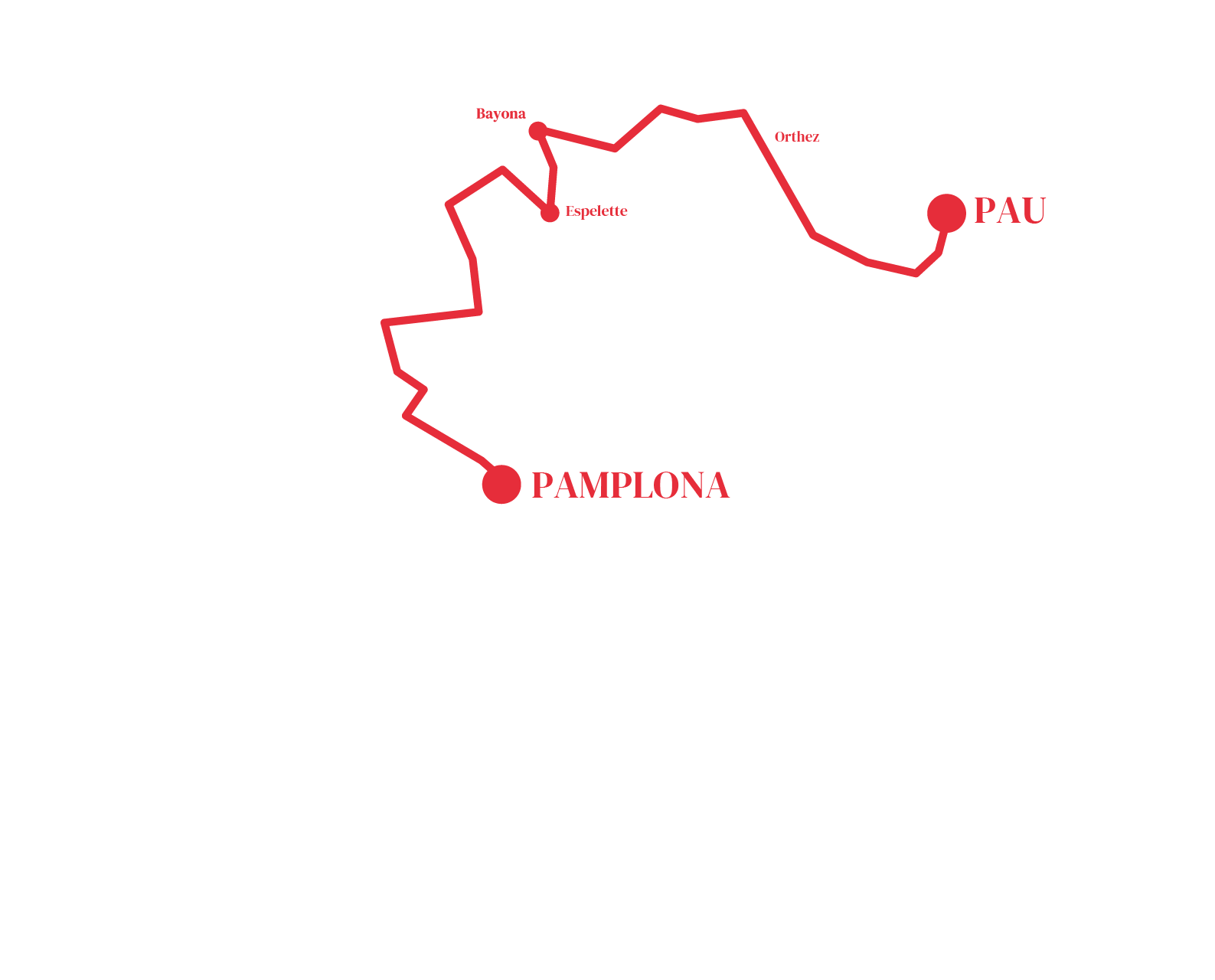
The journey begins in Pamplona, the historic and present-day capital of Navarre, known throughout the world for the San Fermín Festival and its association with Hemingway. Behind its city walls and magnificent Renaissance citadel, the city reveals remarkable heritage, a welcoming atmosphere and a gastronomic culture renowned throughout Spain. Stroll through the historic centre before allowing yourself to be seduced by the art of the pintxo, a true local institution.
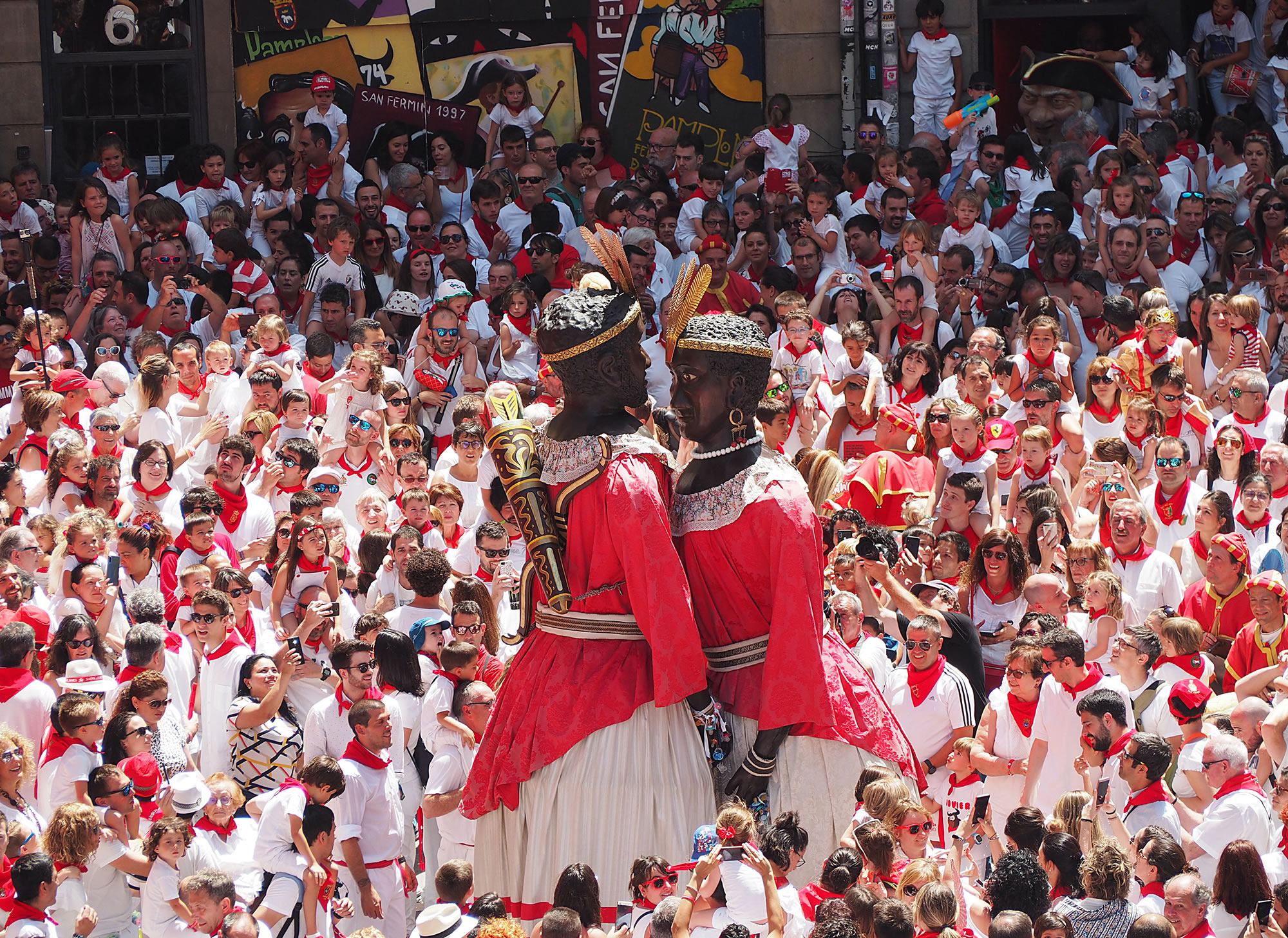
Explore the cobbled streets of the historic centre, following the ancient fortifications that have shaped Pamplona’s history. Your visit will take you to the Cathedral of Santa María, a remarkable Gothic building whose cloister is considered one of the most beautiful in Spain. Its museum provides a better understanding of the history of the Kingdom of Navarre and the city’s role along the routes to Santiago de Compostela.
As evening falls, head to Estafeta and San Nicolás streets, the temples of the pintxo, where you can experience an authentic Navarrese ritual. Surprising flavours, high-quality local ingredients and culinary innovation concentrated into a single bite have shaped the city’s gastronomic reputation, because a Navarrese pintxo is much more than a tapa: it is the perfect combination of deep-rooted tradition and imagination. Traditional establishments now stand alongside original restaurants, offering a magnificent showcase of Navarrese cuisine. Do not leave Pamplona without enjoying this experience.
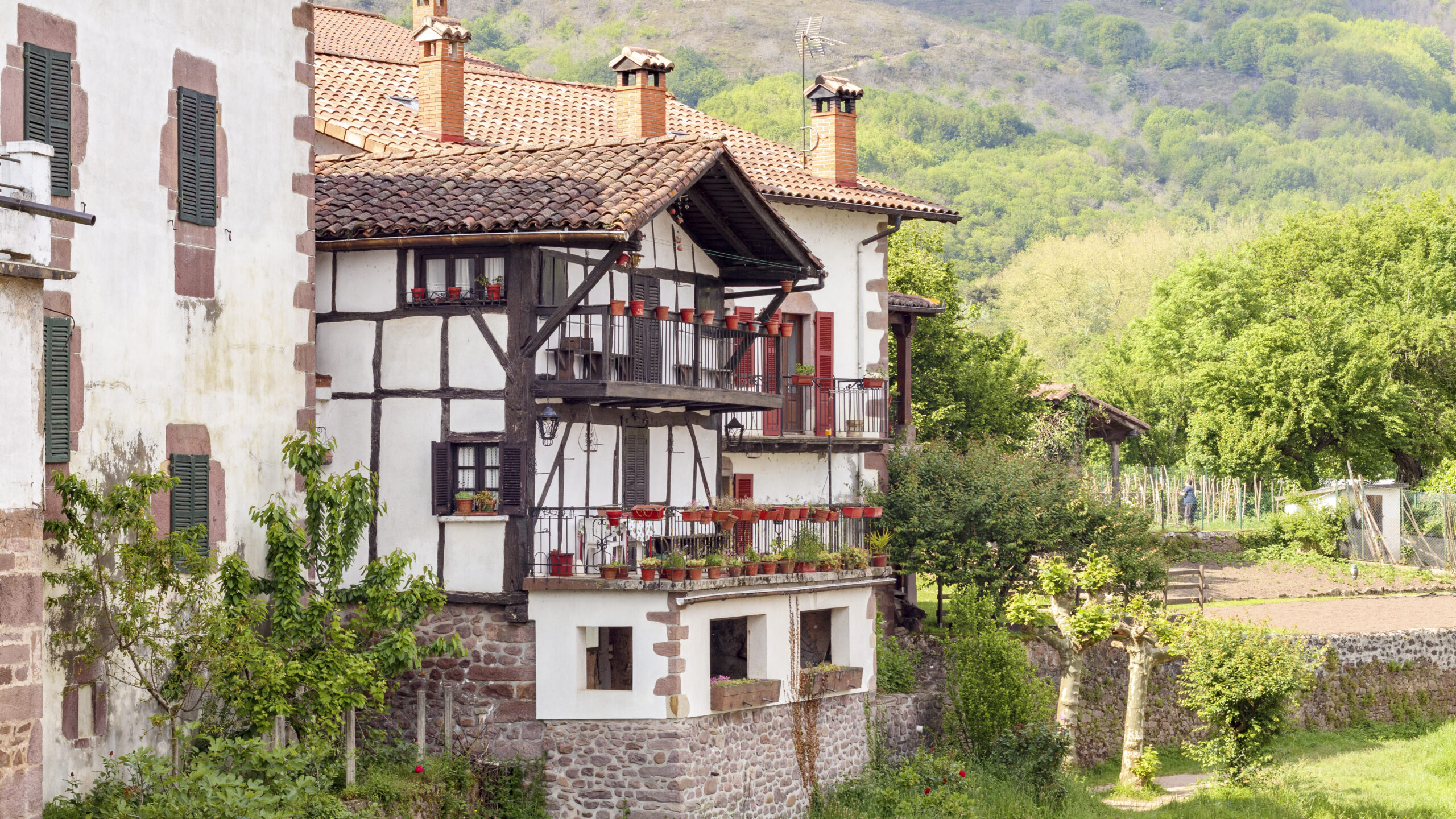
In Pamplona, gastronomy is enjoyed in a welcoming atmosphere, among lively bars and charming establishments. Pintxos compete in creativity, while traditional recipes place the finest produce from Navarre centre stage.
Whether you are looking for a pleasant place to stop, a historic establishment or a more refined dining experience, you will be spoilt for choice.
Just a few kilometres away, the countryside also has some delightful surprises in store. Otazu Winery, an elegant 19th-century wine estate, combines wine tourism, architecture and contemporary art in an extraordinary setting. In Izu, Casa Amezqueta promotes local products such as oils, cured meats and artisan cheeses.
Fine-dining enthusiasts can stop at El Molino de Urdániz, a two-Michelin-starred restaurant whose creative cuisine showcases seasonal produce. Finally, do not miss Fika Café, a calm and welcoming place in the heart of the city where you can enjoy speciality coffee and a tempting selection of homemade cakes.
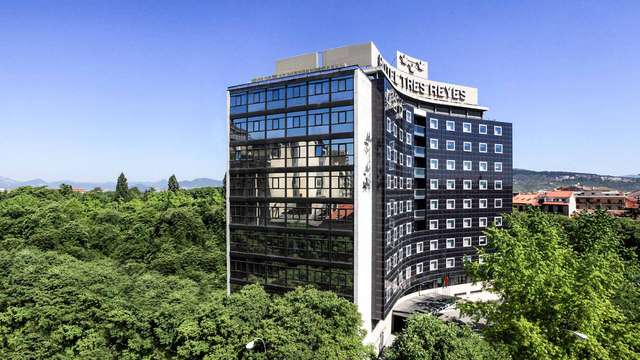
In the heart of the old town, La Perla, Tres Reyes, Maisonnave and Pamplona Catedral hotels allow you to fully enjoy the atmosphere of the historic centre. For a more peaceful getaway on the outskirts, choose Castillo de Gorraiz Hotel & Spa, Hotel Luze El Toro, Agroturismo Mari Cruz or the remarkable Basoa Suites, whose treetop cabins invite you to spend a night surrounded by nature. Whatever your preference, you will be spoilt for choice.
After the lively streets of Pamplona, the atmosphere changes, giving way to a moment of spirituality, tradition and flavour, enriched by memorable encounters and breathtaking landscapes.
Your first stop is the Larraun Valley, where you can meet the producers of Bikain cheeses. Made with milk from Latxa sheep, Idiazabal PDO cheese is one of the treasures of Basque gastronomy. A tasting will allow you to appreciate all its nuances, but if you want to learn even more, visit Antsonea Cheese Farm, overlooking the Malloas mountain range. Here, they will explain the cheese-making process and you will be able to see the sheep on the farm.
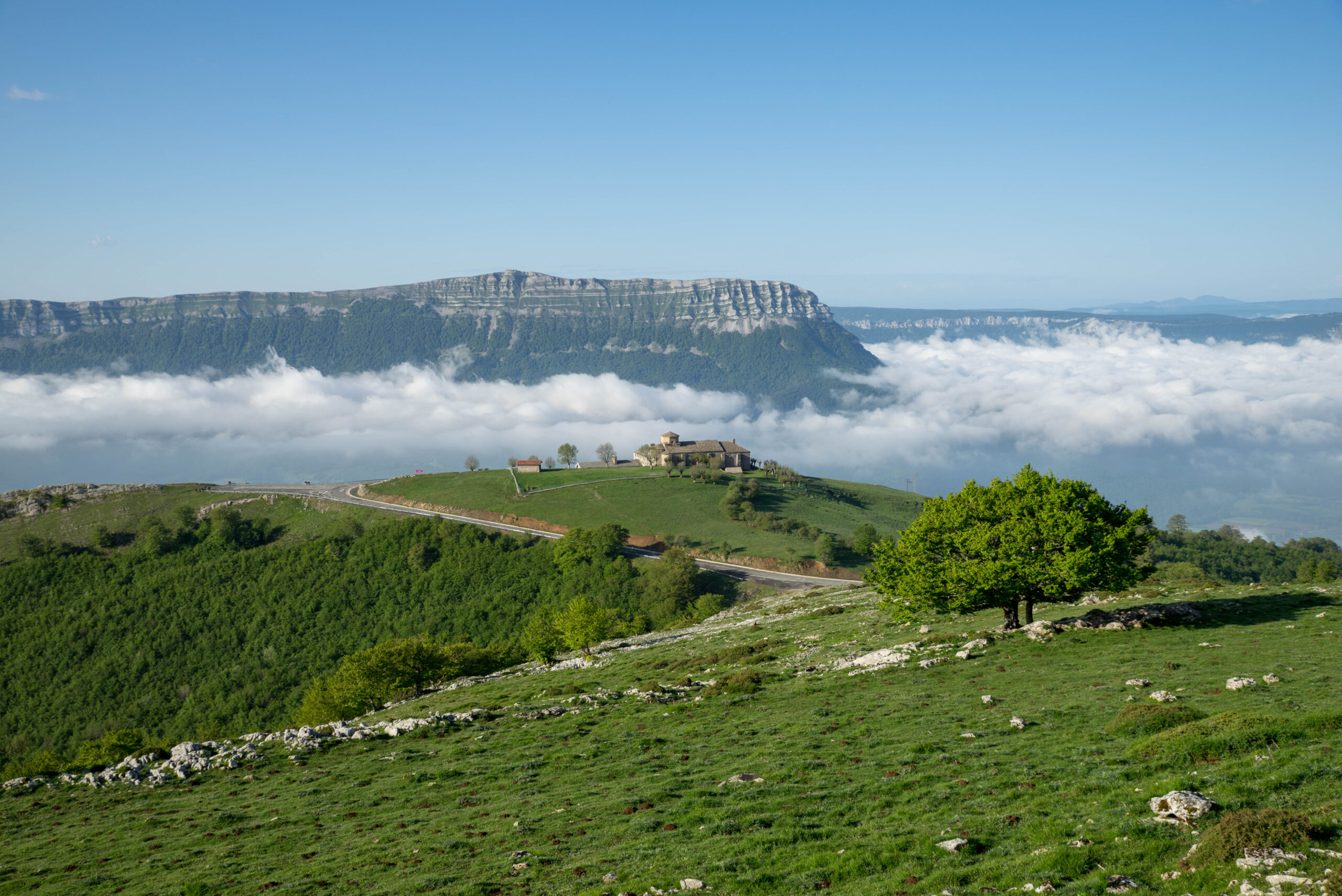
The route continues its ascent towards the San Miguel de Aralar Sanctuary. Perched on the mountain for almost a thousand years, this Romanesque complex offers exceptional panoramic views of the surrounding landscape and remains an iconic site of Navarrese spirituality.
In the afternoon, the experience moves underground to the Mendukilo Caves. During a guided tour, walkways and galleries reveal a spectacular mineral world sculpted by water over thousands of years.
The route climbs towards the Aralar Massif. The landscapes gradually change: hills give way to mountain pastures, forests cover the slopes and flocks of sheep recall the importance of pastoral farming in this region. A day dedicated to nature and tradition.
The day ends at Maskarada Farm, near Lekunberri. This free-range pig farm promotes the local Euskal Txerri breed and offers visitors the opportunity to discover traditional charcuterie-making techniques, accompanied by a lunch prepared with products from the farm.
The route gradually enters north-western Navarre before crossing the Pyrenees into the French Basque Country. Among charming villages, gastronomic traditions and mountain landscapes, the day slowly leads you towards the shores of the Atlantic Ocean.
Begin the day with a moment of relaxation at Elgorriaga Spa, renowned for having some of the saltiest waters in Europe.
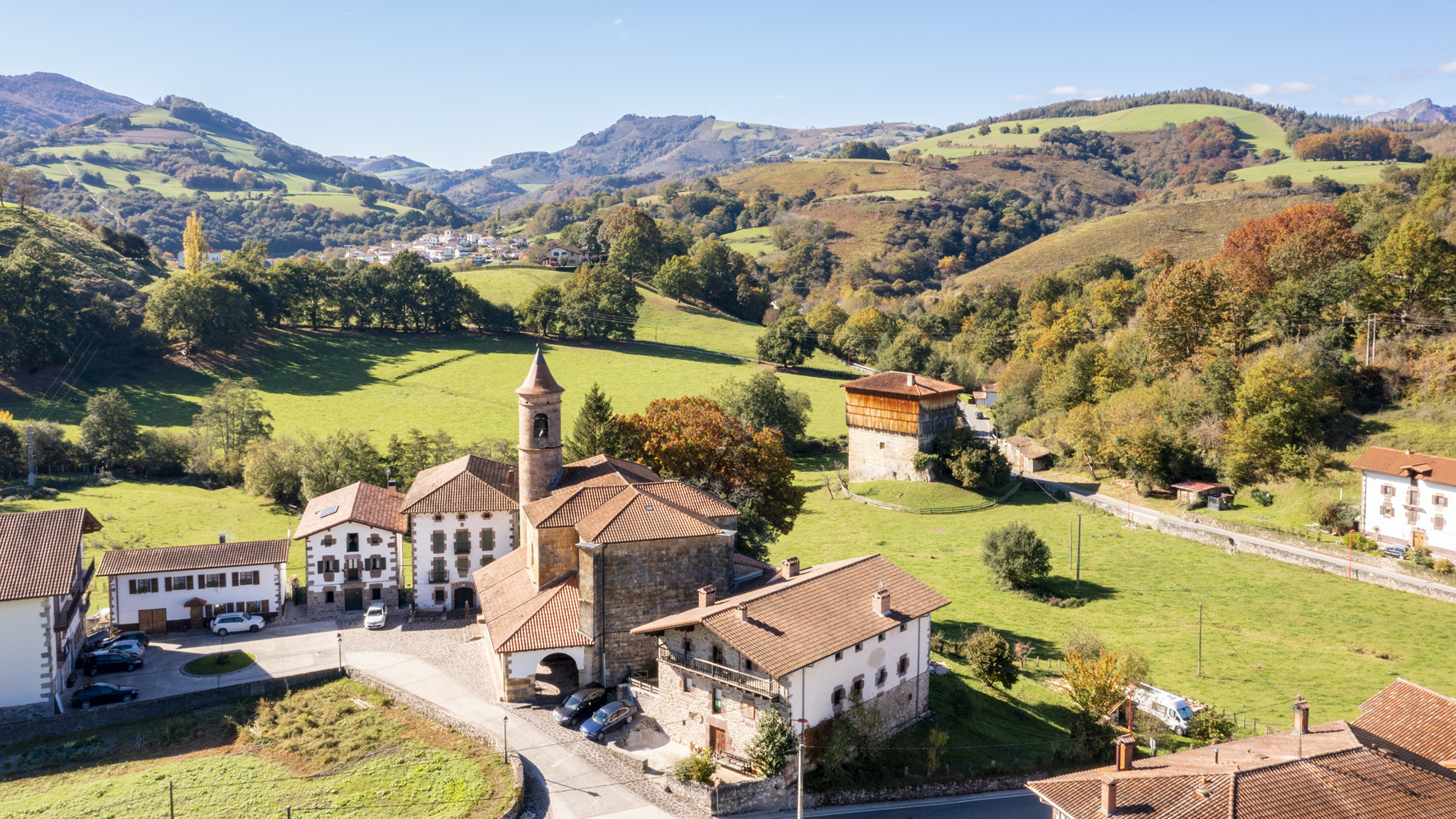
Continue towards Santesteban and Lesaka, two traditional villages where you can discover Basque architecture along their cobbled streets. It is the perfect opportunity to sample local specialities such as urrakin eginak, chistorra sausage and Basque cider.
In the heart of the Navarrese countryside, Donamaria’ko Benta restaurant offers contemporary cuisine inspired by local produce before you continue your journey towards the Pyrenees.
From the Saint-Ignace Pass, board the famous La Rhune rack railway. This panoramic ascent gradually reveals the peaks of the Pyrenees, the Basque valleys and the Bay of Biscay.
The day ends in Saint-Jean-de-Luz. Les Halles offers one final gastronomic stop centred around the region’s great classics: Ossau-Iraty cheese, Bayonne ham and Irouléguy wines, all enjoyed in a welcoming atmosphere.
From inland villages to coastal towns, this day illustrates the full diversity of the French Basque Country. Rural traditions, gastronomy and the art of living well… The landscapes alternate between green hills and maritime horizons.
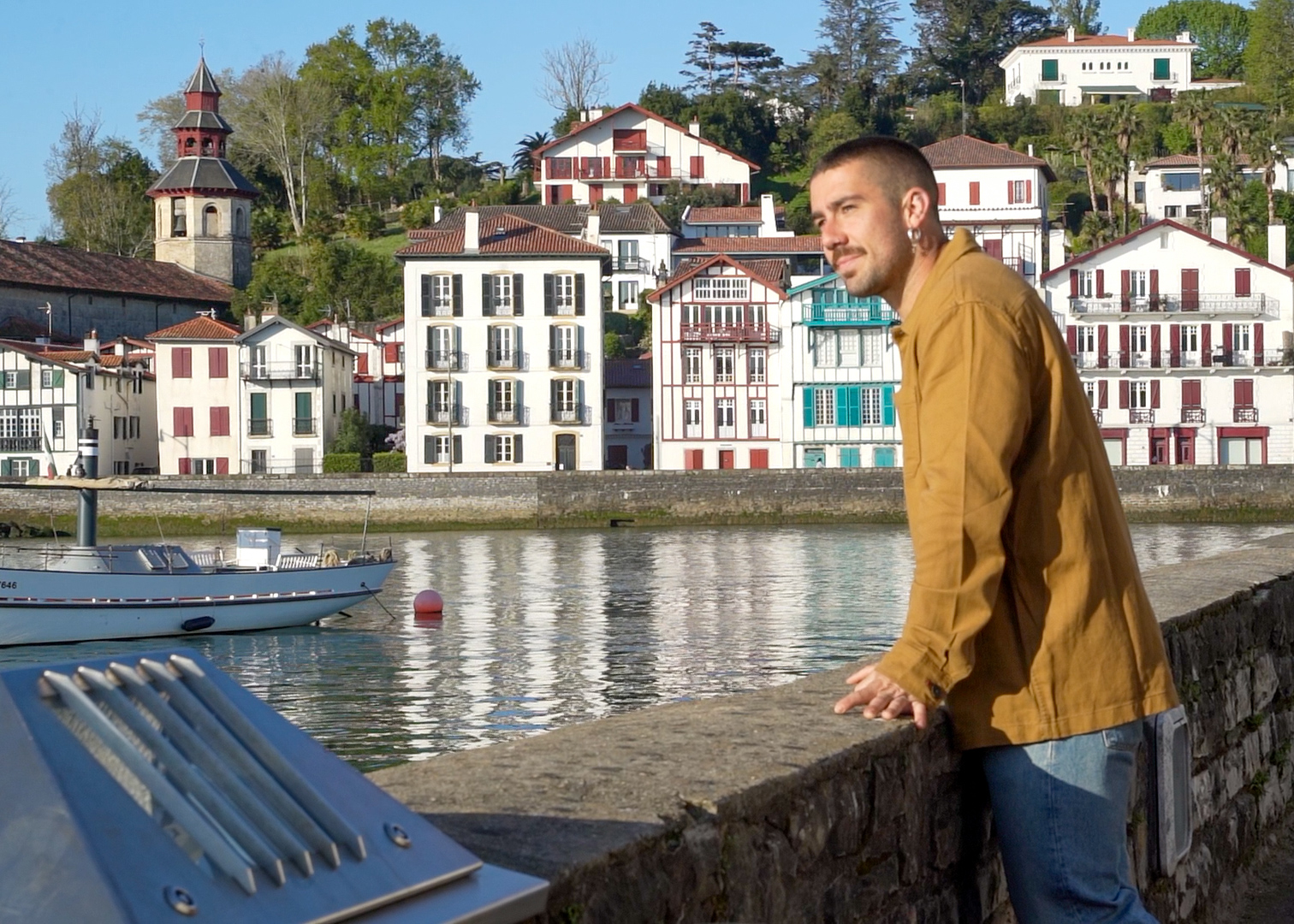
Your first stop is Ainhoa, recognised as one of the “Most Beautiful Villages of France”. Its single street, lined with traditional Labourd-style houses, together with the Maison du Patrimoine, tells the story of several centuries of local history through an immersive experience.
Next, head to Espelette, where white façades are decorated with strings of red peppers. If you visit on a Wednesday, take the opportunity to explore the traditional market that brings the village centre to life. Lunch at Euzkadi Restaurant will allow you to savour the great classics of Basque cuisine, enhanced by the famous Espelette pepper.
The afternoon is dedicated to Biarritz. From Port-Vieux to its elegant shopping avenues, passing through Les Halles, the city combines maritime heritage, refinement and the art of living by the ocean.
After enjoying the coastal scenery, head to Bayonne, the historic capital of the French Basque Country. Crossed by the Nive and Adour rivers, the city reveals extraordinary heritage, where half-timbered houses stand alongside city walls, food markets and artisan workshops. A stage where history is savoured as much as it is admired.
Begin your visit at Sainte-Marie Cathedral, a masterpiece of Gothic art declared a UNESCO World Heritage Site as part of the Routes of Santiago de Compostela.
Continue to the Château-Vieux, a former medieval fortress, and then allow yourself to be guided through the narrow streets of Grand Bayonne and Petit Bayonne, where colourful façades, art workshops and lively terraces give the city its distinctive personality.
Next, visit Les Halles, a true Bayonne institution where producers, artisans and traders celebrate the region’s finest specialities in a welcoming atmosphere. To finish the tour in style, there is nothing better than a walk along the quays of the Nive.
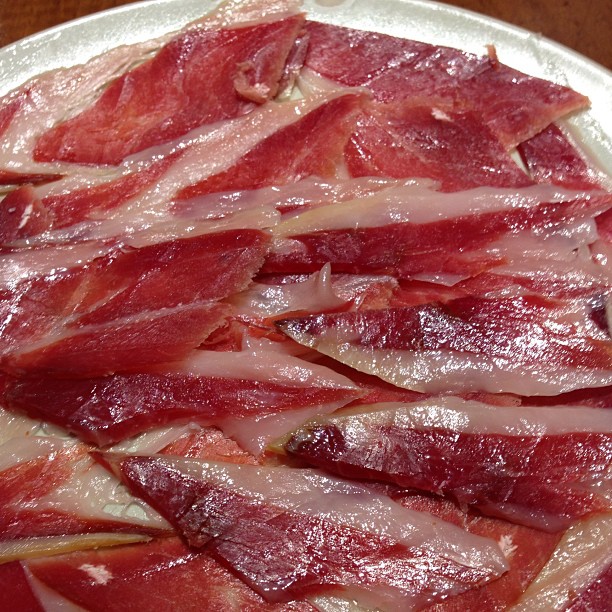
You cannot leave Bayonne without sampling its famous ham, cured according to an ancestral tradition. Basque cake, artisan chocolate from establishments such as the Atelier du Chocolat, sheep’s cheese and local produce complete this gastronomic stop, where every tasting tells part of the story of Basque identity.
As you leave the Basque Country, the landscapes gradually open onto the hills of Béarn. Charming villages, architectural heritage and culinary traditions accompany you throughout a day in which salt, vineyards and local expertise take centre stage.
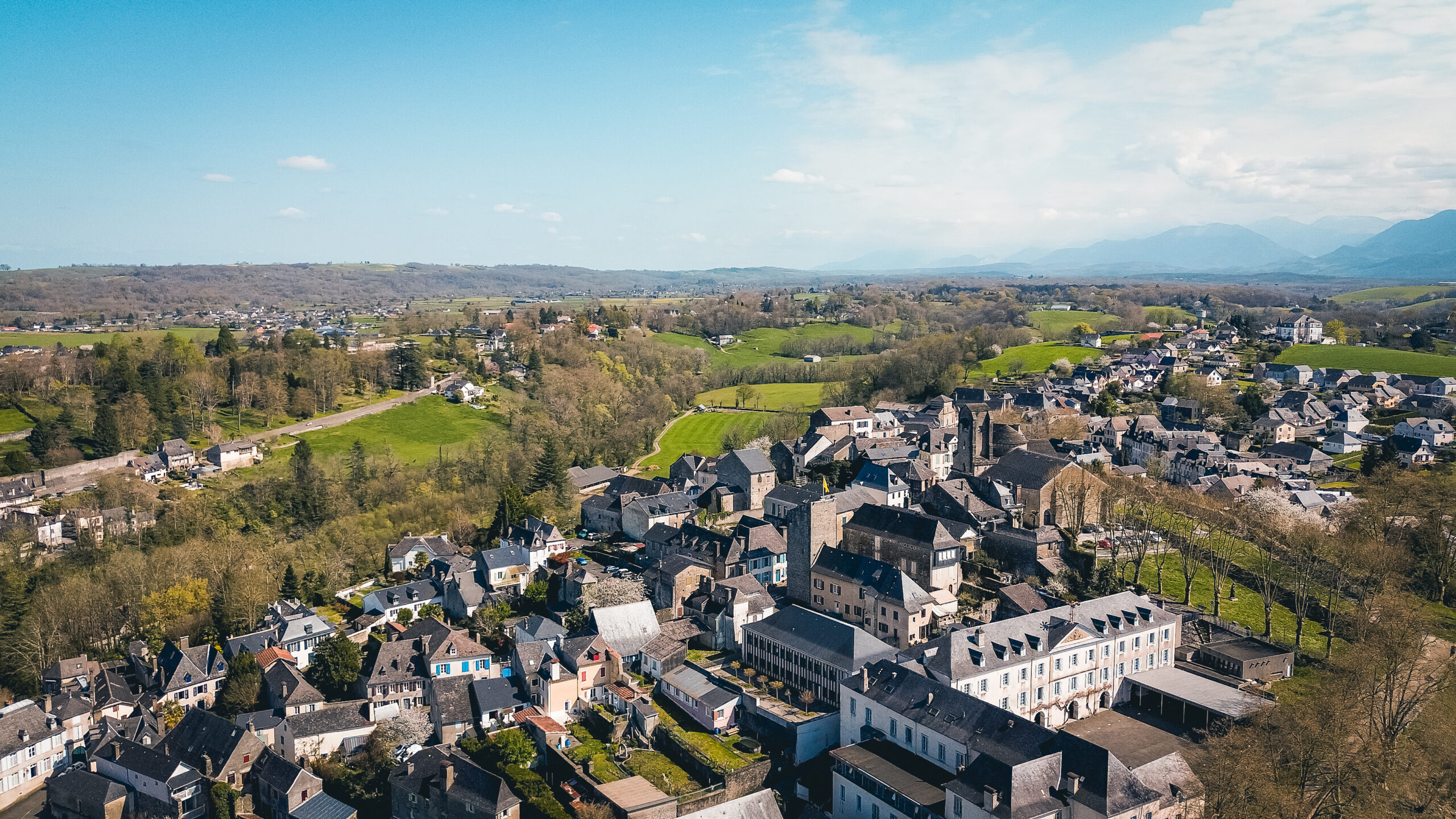
The route then heads to Oloron-Sainte-Marie, a former episcopal town located at the foot of the Pyrenees. Its Sainte-Marie Cathedral, declared a UNESCO World Heritage Site as part of the Routes of Santiago de Compostela, impresses visitors with its Romanesque portal and thousand-year history. Take your time exploring the historic streets before enjoying the peaceful atmosphere in the heart of this riverside town.
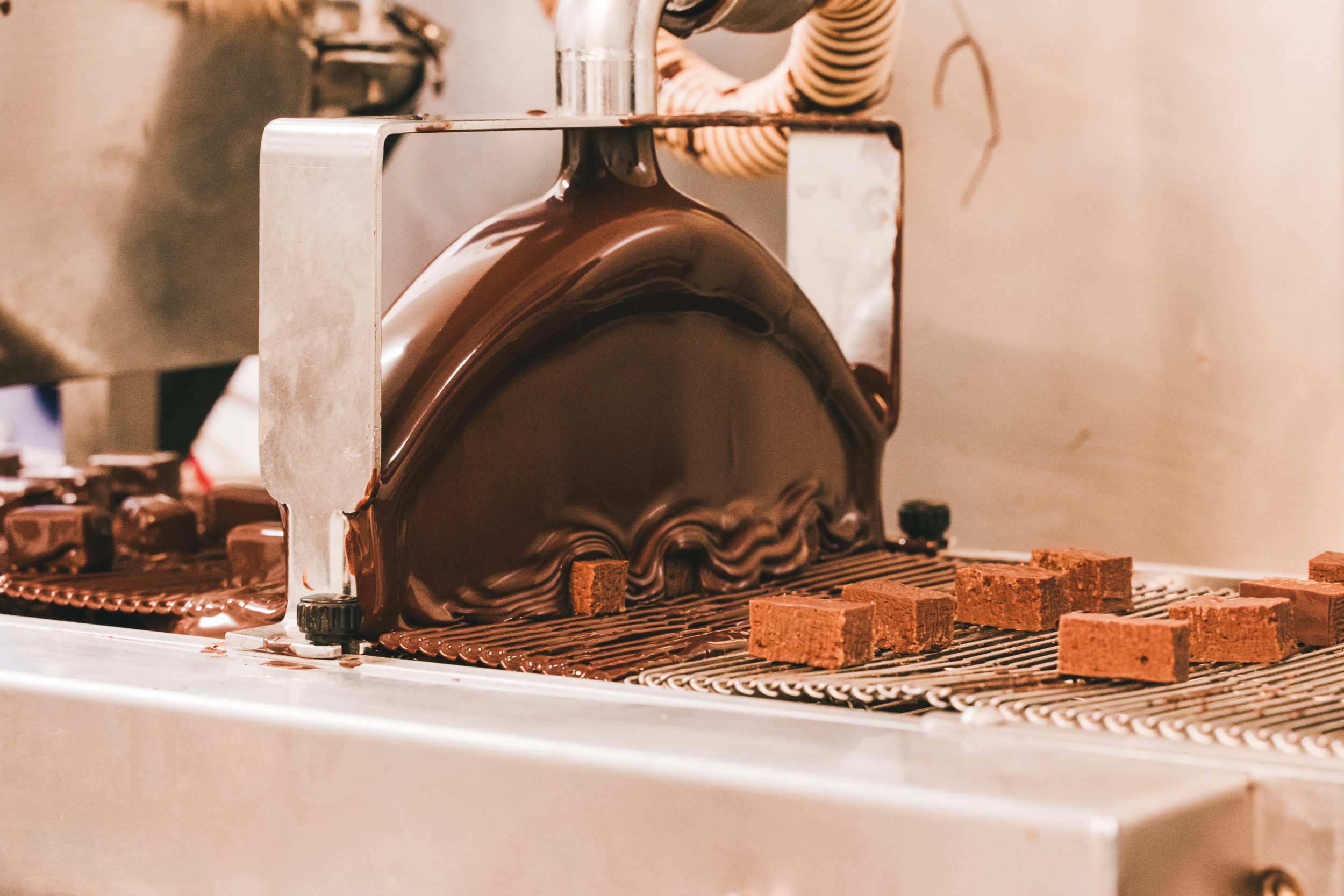
This stage celebrates the specialities of Béarn. In Salies-de-Béarn, Béarnais pâté pairs perfectly with a glass of Jurançon wine, while in Oloron-Sainte-Marie the “Russe” from Pâtisserie Artigarrède and chocolates from the Lindt & Sprüngli factory add a deliciously sweet touch to the day.
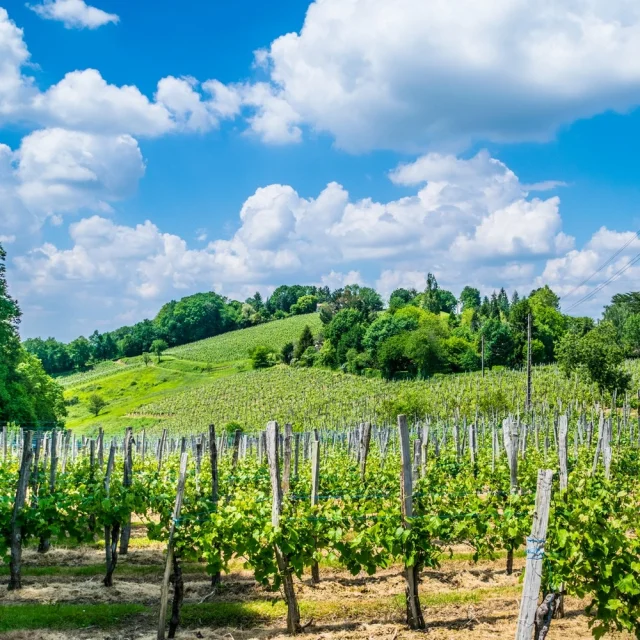
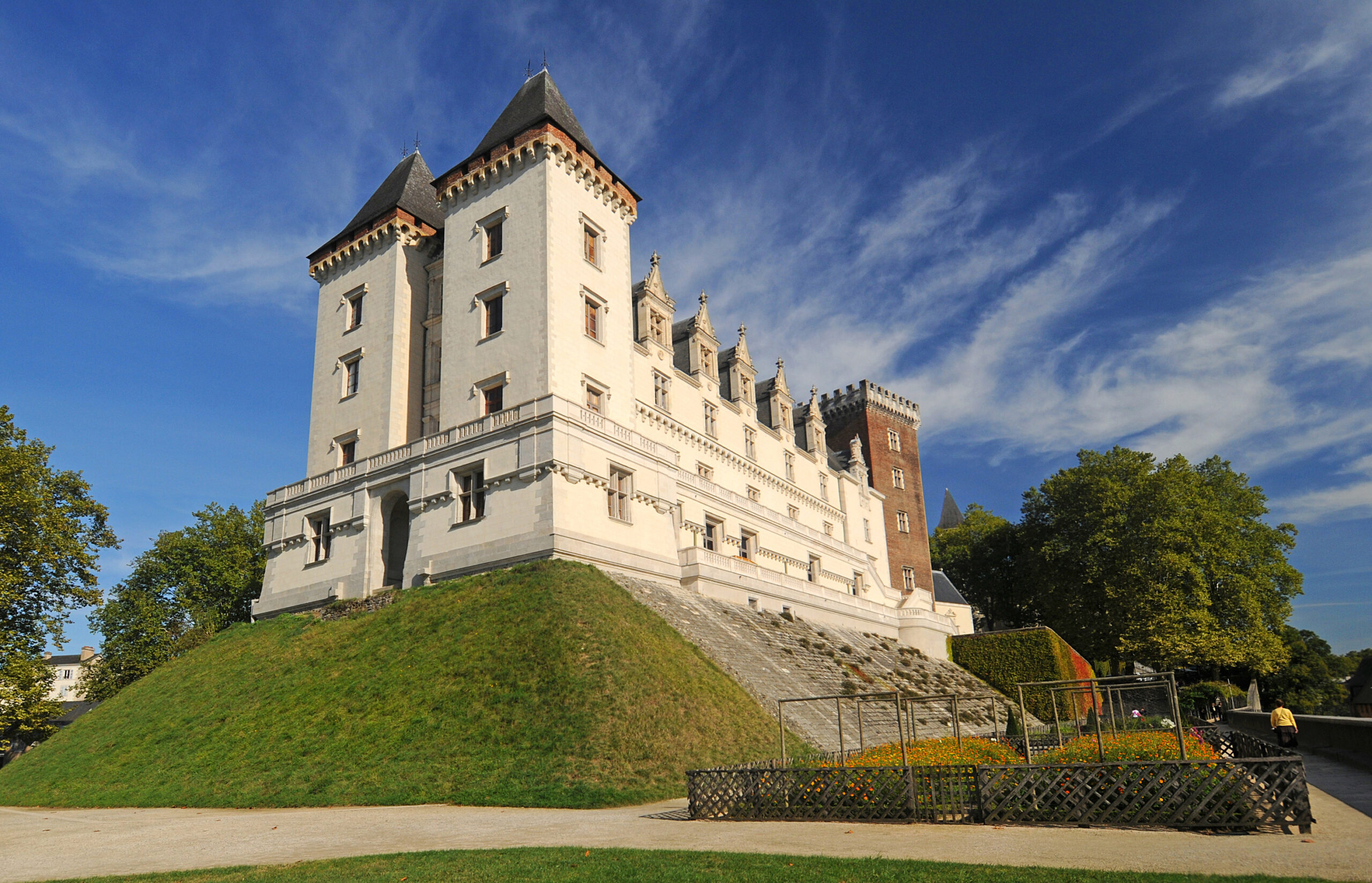
The hillsides of Jurançon precede the elegance of Pau. With vineyard landscapes, royal heritage and spectacular views of the Pyrenees, this stage perfectly encapsulates all the charm of Béarn.
Meet the winegrowers of Jurançon through the “Soupçons à Jurançon” experience, an activity combining a treasure hunt with tastings in the heart of the vineyards. It is an entertaining way to discover the distinctive characteristics of this iconic south-western French appellation. Whether dry or sweet, Jurançon wines pair perfectly with Pyrenean cheeses, foie gras and Béarnais specialities.

Le projet GATURl2 EFA 043/01 a été cofinancé a 65% par l'Union européenne a travers le Programme lnterreg VI-A Espagne-FranceAndorre (POCTEFA 2021-2027).
El proyecto GATURI2 EFA 043/01 ha sido cofinanciado en un 65% por la Unión Europea a través del programa lnterreg VI-A EspañaFrancia-Andorra (POCTEFA 2021-2027).
GATURI2 EFA 043/01 proiektua % 65ean finantzatu du Europar Batasunak lnterreg VI-A Espainia-Frantzia-Andorra (POCTEFA 2021-2027) programaren bidez.



The Merca’o , Pamplona (Navarra) Website
Sale of Ulzama , Belate. Port of. (Navarra) Website
Donamaria´ko Benta , Donamaria (Navarra)
Arotxa , Legasa (Navarra) Website
Txulotxo , Pasai Donibane (Guipuzkoa) Website
Agorregi , San Sebastian-Donostia. (Guipuzkoa) Website
Topa , San Sebastian-Donostia. (Guipuzkoa)
Zeria , Hondarribia (Guipuzkoa)
Zabala , Vitoria-Gasteiz (Alava)
The Charters , Bilbao (Bizkaia)
Kimtxu , Bilbao (Bizkaia)
The School , Bilbao (Bizkaia)
Casa Toni , San Vicente de la Sonsierra. (The Rioja)
Morro Tango , Alfaro. (La Rioja) Website
Ramón’s kitchen , Logroño. (La Rioja) Website
Txebico Cachetero , Logroño. (La Rioja) Website
Briketenia , Guethary . (Pays Basque) Website
Ahizpak , Bidart . (Pays Basque) Website
Maison Joanto , Briscous . (Pays Basque) Website