

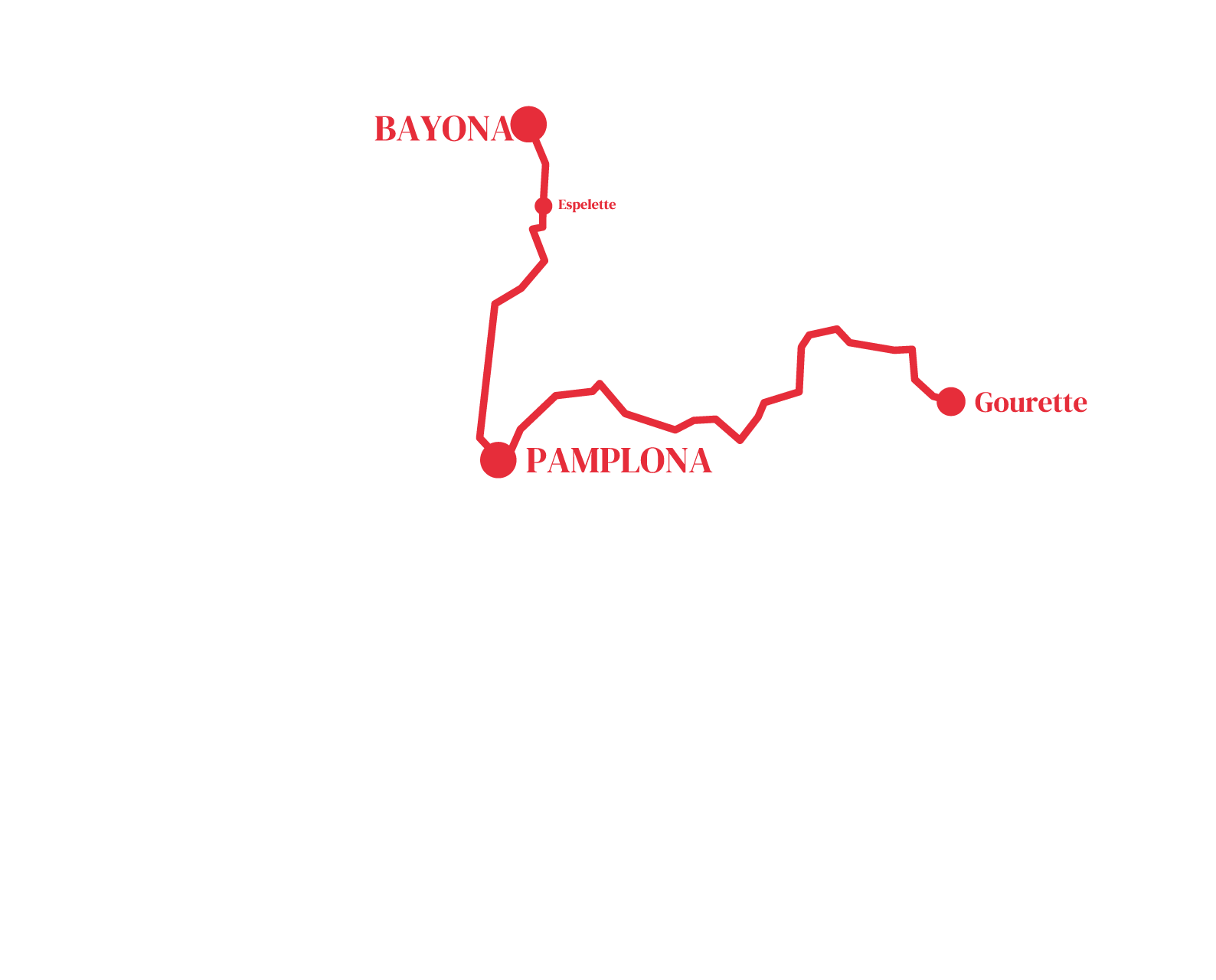
Your itinerary begins in Bayonne, a city of art and history where the routes to Santiago have crossed paths with trade routes and Basque traditions for centuries. Once you have settled into the city centre, take your time to explore this characterful destination, with its medieval streets, colourful houses and lively quays. A first immersion shaped by heritage and gastronomy.
Begin your tour through the narrow streets of Petit Bayonne, a lively neighbourhood where artisan workshops, historic façades and bustling squares bear witness to the city’s Basque identity. Next, head to Grand Bayonne to admire Sainte-Marie Cathedral, a Gothic jewel declared a UNESCO World Heritage Site as part of the Routes of Santiago de Compostela. Continue towards the Château-Vieux, the former fortress overlooking the city, before reaching the town hall and then the quays of the Nive, where cafés and terraces invite you to enjoy Bayonne’s atmosphere.
Les Halles is an essential stop for your first encounter with the flavours of the Basque Country. Producers, cheesemakers, charcutiers and chocolatiers offer the specialities for which the region is renowned: Bayonne ham, sheep’s cheese, Basque cake, artisan chocolate and Irouléguy wines provide an introduction that is as generous as it is delicious.
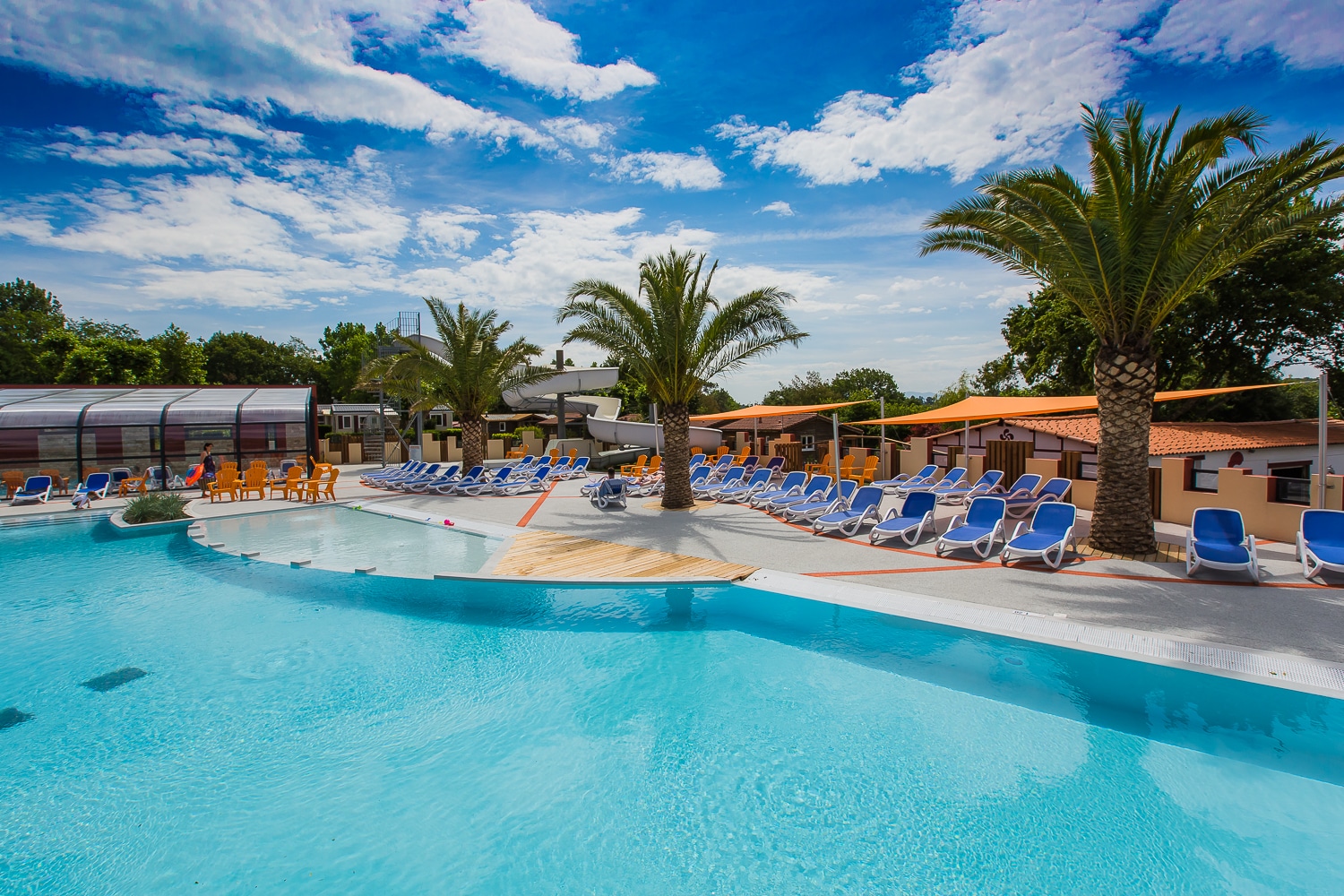
To extend this first stage, Camping Bela Basque in Anglet offers a peaceful setting between the ocean and the hills. The Mer & Golf Appart Hôtel residence, located opposite Chambre d’Amour Beach and the Biarritz Lighthouse, is another excellent choice offering affordable accommodation.
As you leave Bayonne, the road gradually enters the rolling landscapes of Labourd. Red-timbered farmhouses appear between meadows where sheep graze, while the foothills of the Pyrenees emerge on the horizon. This day immerses you in the authentic identity of the Basque Country, among charming villages, magnificent panoramic views and age-old traditions.
Your first stop is Sare, recognised as one of the “Most Beautiful Villages of France”. Its Labourd-style houses, pelota court and peaceful streets offer an extraordinary example of traditional Basque architecture. A visit to Ortillopitz House provides a better understanding of the daily lives of rural families in the past, while the Basque Cake Museum reveals the secrets of one of the region’s most famous specialities.
Next, head to the Saint-Ignace Pass to board the famous La Rhune train. For more than a century, this rack railway has slowly climbed the slopes of the Basque Country’s iconic mountain. From the summit, the panoramic views encompass the Pyrenees, the Atlantic coast and the Basque valleys, offering one of the most beautiful viewpoints in the region.
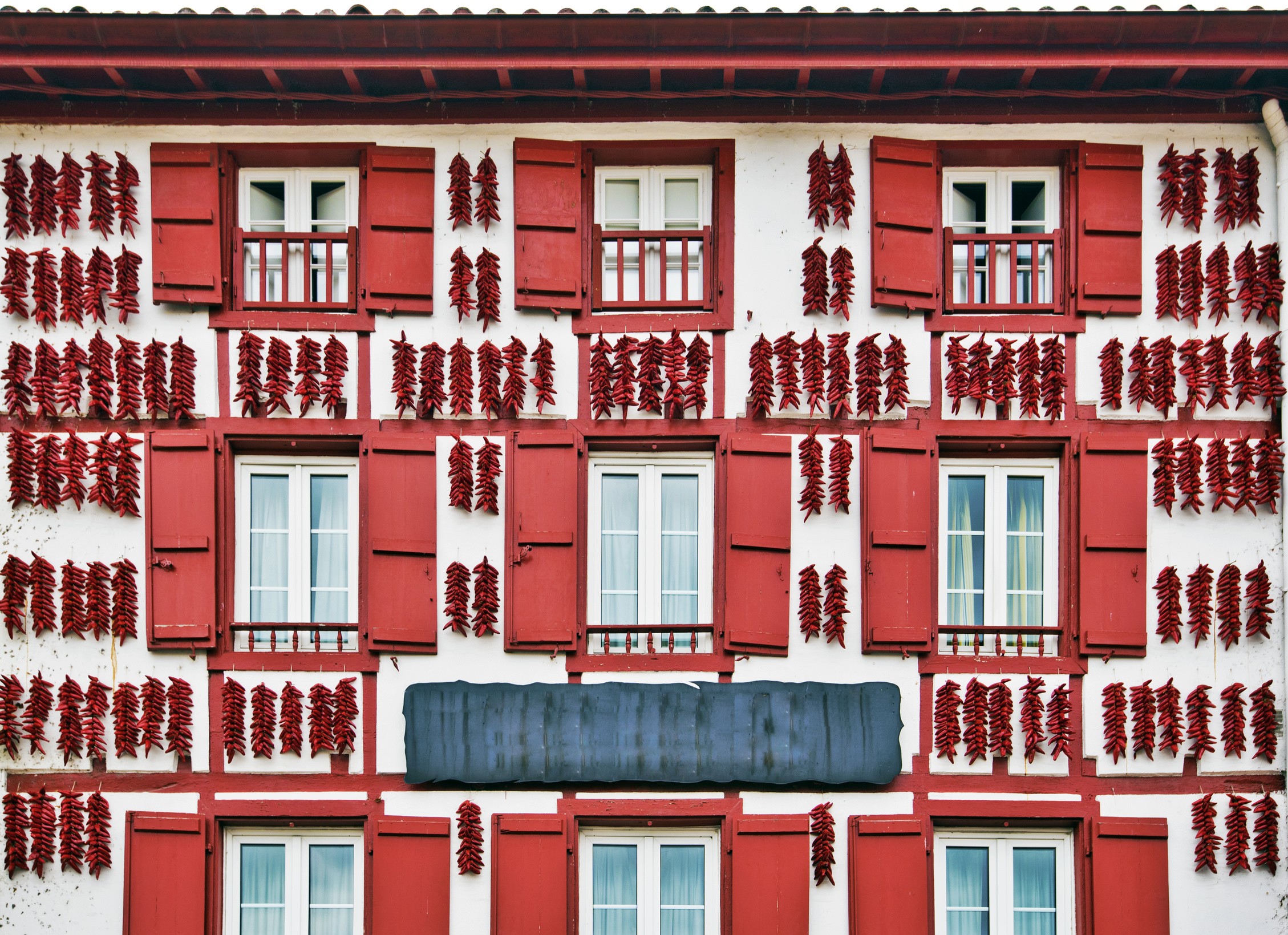
In the afternoon, make your way to Espelette, whose façades decorated with strings of red peppers have become a symbol of the Basque Country. Along its narrow streets, producers welcome you into their workshops and tell the story of this spice, which holds Protected Designation of Origin status. It is also an opportunity to sample some of the great local specialities: axoa, ham, sheep’s cheese and even chocolate delicately flavoured with chilli pepper.
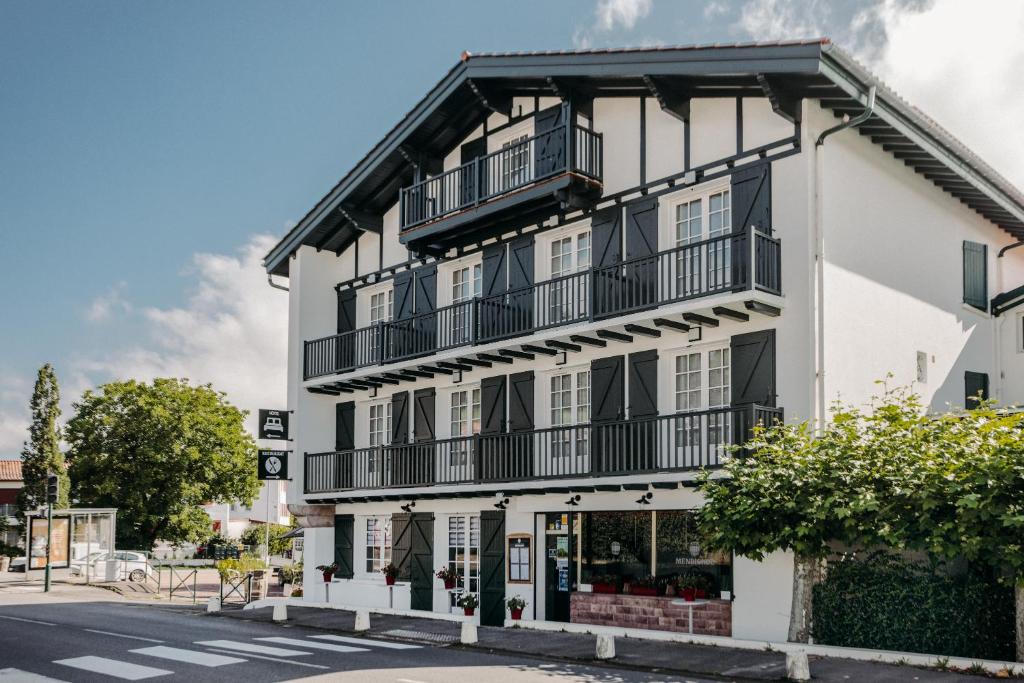
In Saint-Pée-sur-Nivelle, Hotel Trinquet welcomes travellers in a peaceful, green setting. Adapted for people with reduced mobility, this establishment is an ideal stop before crossing the Pyrenees into Navarre.
Today, the route crosses the first peaks of the Pyrenees, leaving France and entering Navarre. This stage marks both a geographical and cultural transition. Well-preserved villages, sanctuaries, mysterious caves and forested landscapes accompany travellers as they follow in the footsteps of the pilgrims who once journeyed along this historic route to Santiago de Compostela.
Begin your itinerary in Ainhoa, a former stopping point on the Way of St James, whose long street lined with traditional houses forms one of the most beautiful architectural ensembles in the French Basque Country. The Maison du Patrimoine explores the history of the village and its role in exchanges between the two sides of the Pyrenees.
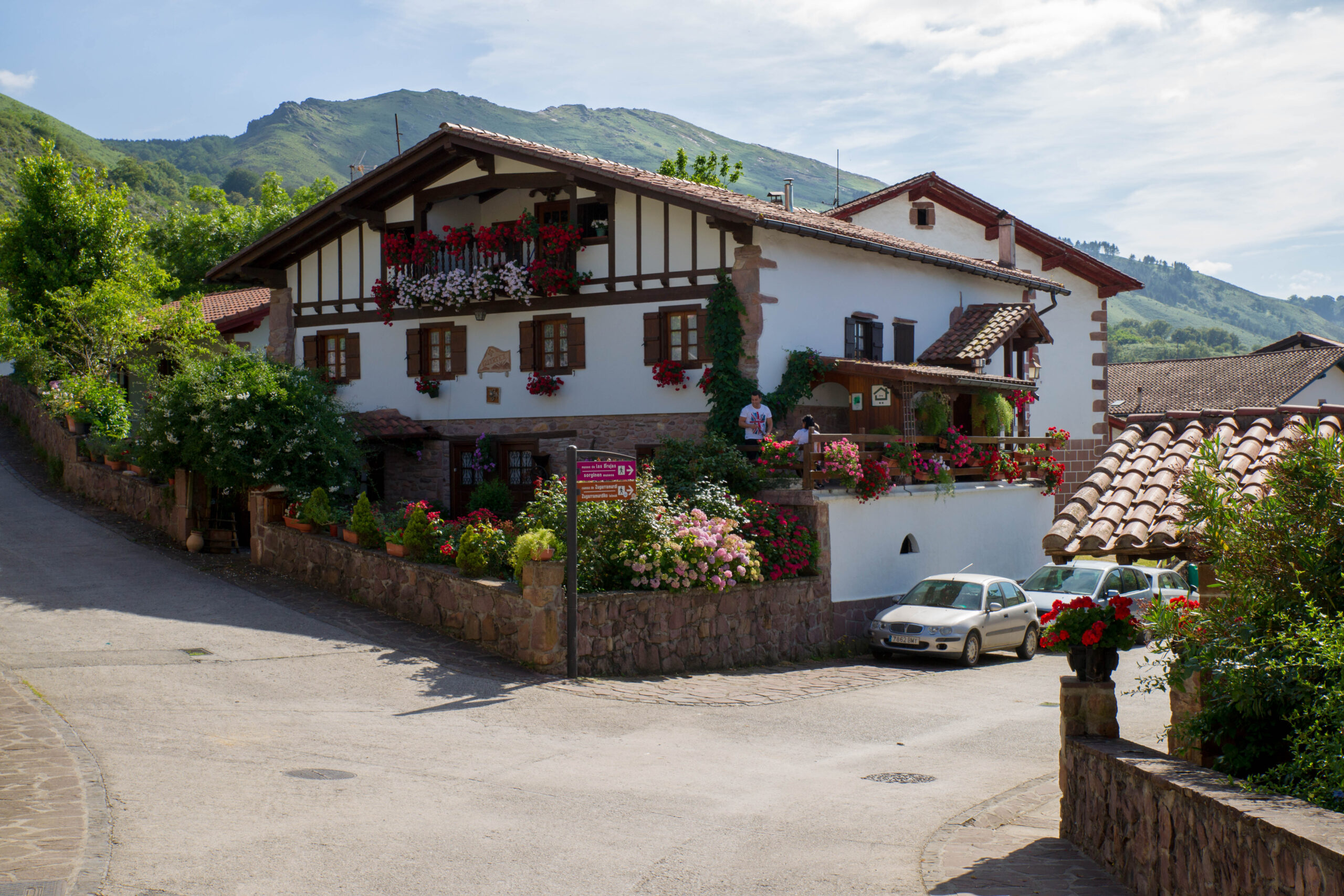
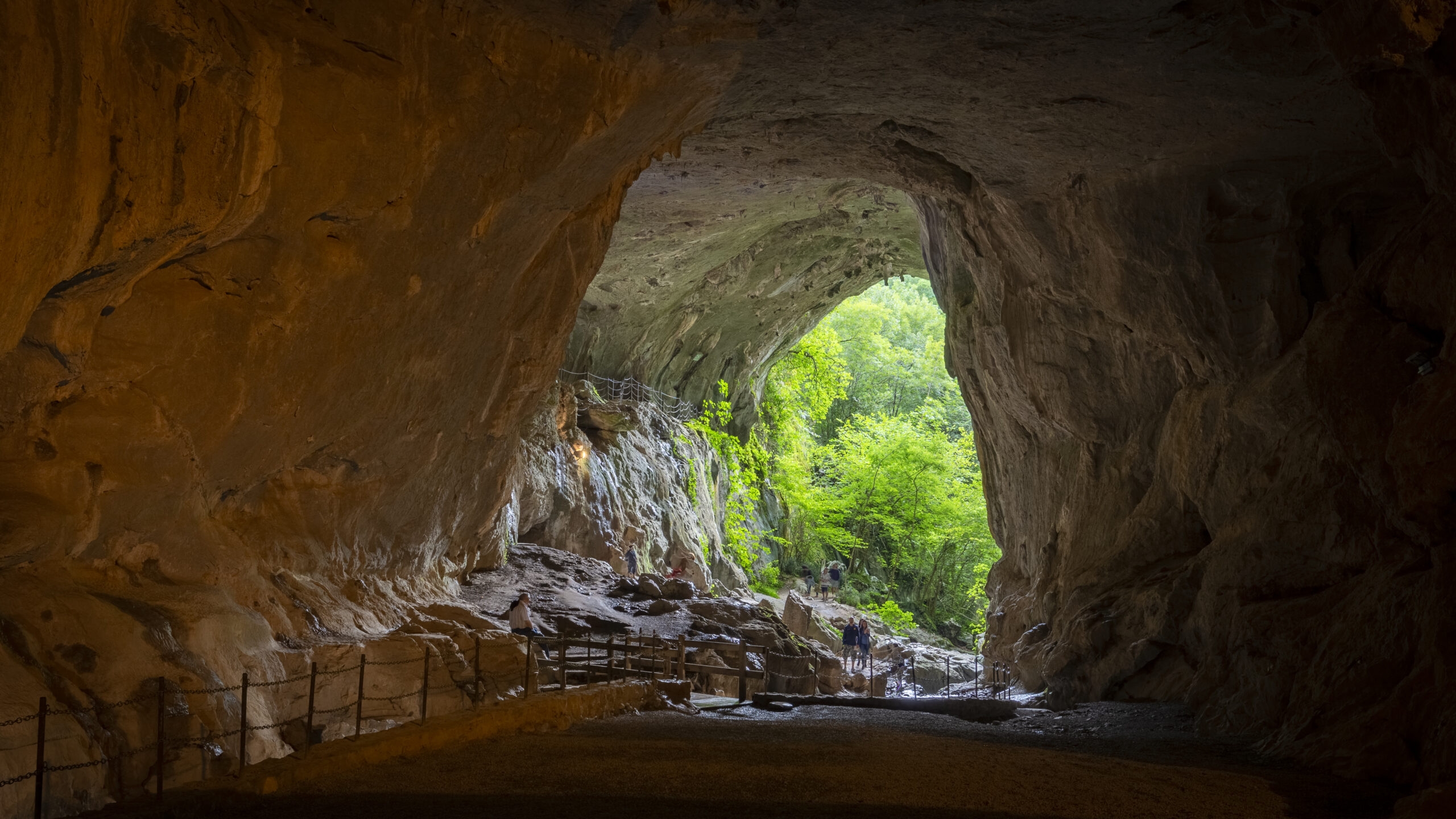
After crossing the border, stop in Zugarramurdi, a place made famous by the 17th-century witch trials. The Witch Museum explains and contextualises this turbulent period, while the impressive natural caves invite you to travel much further back into the history of this land shaped by water. A tasting of local products allows you to continue your immersion in Navarrese traditions.
The day ends in Urdax, a peaceful village nestled at the bottom of the valley. Its Monastery of San Salvador recalls the spiritual importance of the Way of St James, while the Ikaburu Cave reveals a fascinating underground network carved out by the river over thousands of years.
For a peaceful night, Ariztigain campsite in Sunbilla and Baztan campsite in Erratzu offer privileged settings surrounded by nature. Both have facilities adapted for people with reduced mobility.
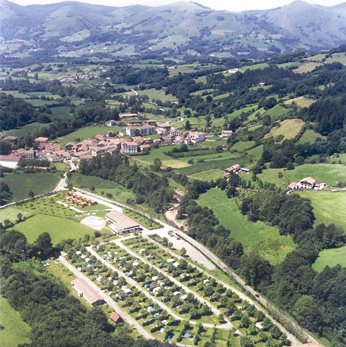
Today, the Baztan Valley reveals its most iconic landscapes. Among forested mountains, meadows, rivers and charming villages, this land, deeply rooted in its traditions, offers an authentic image of Navarre, where heritage, nature and Basque identity intertwine at every turn.
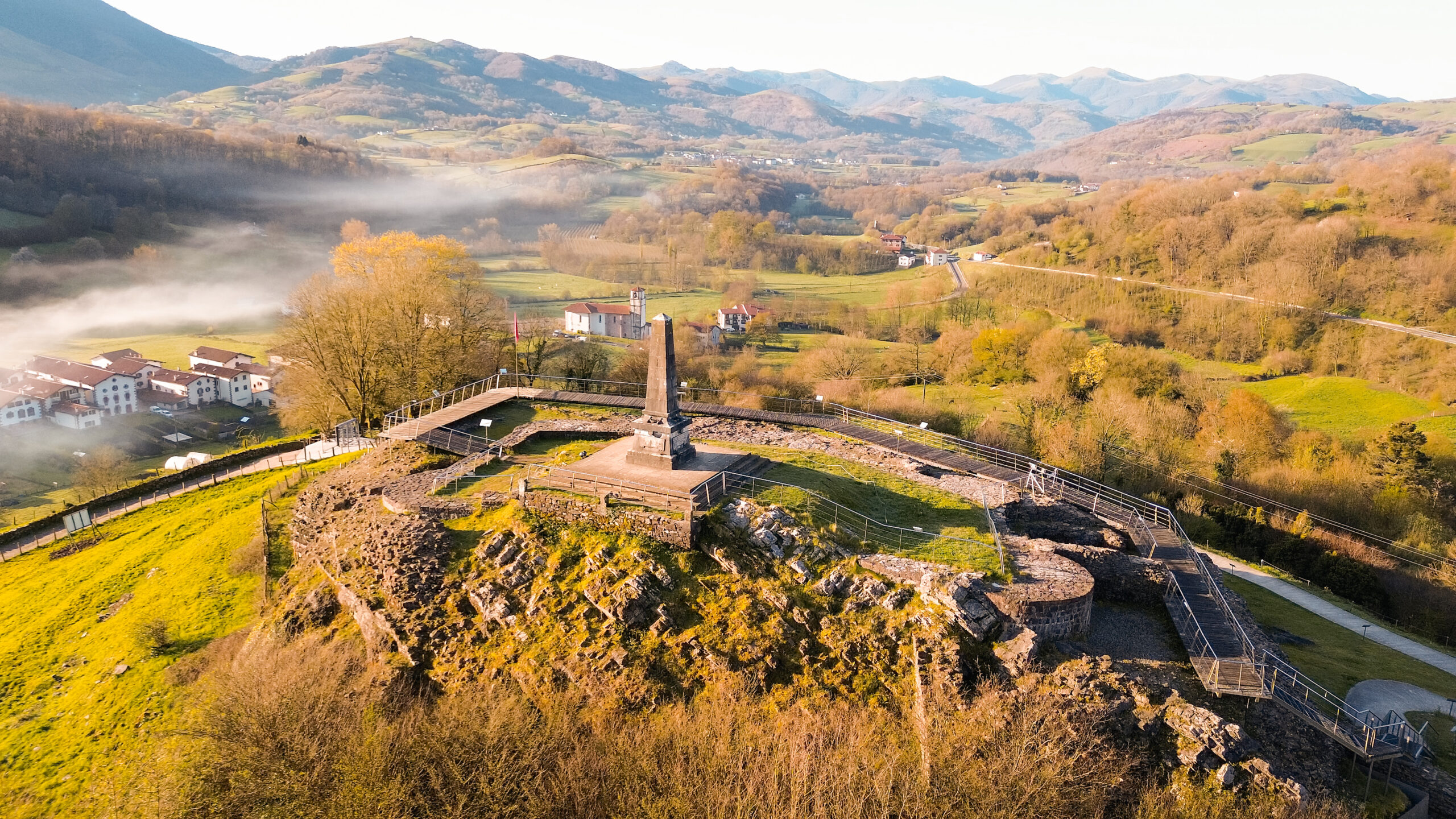
Your first stop is Amaiur, whose name remains closely linked to the history of the Kingdom of Navarre. The ruins of its castle and the interpretation centre recall the important role this village played in the final struggles for Navarrese independence.
A guided visit to the Amaiur Mill with a tasting of talos — delicious cornflour flatbreads with sweet or savoury fillings — will take you on a journey back in time and introduce you to the valley’s traditions.
Continue to Elizondo, the capital of Baztan, and discover its Baroque palaces, houses decorated with coats of arms, stone bridges and peaceful riverbanks. Stroll through the narrow streets of the historic centre before visiting the traditional bakeries and shops that keep the valley’s local flavours alive.
After the green valleys of the north, the route reaches Pamplona, the historic and present-day capital of Navarre. Known throughout the world for the San Fermín Festival, the city is also notable for its remarkable medieval heritage and a gastronomic culture that places pintxos and local produce centre stage.
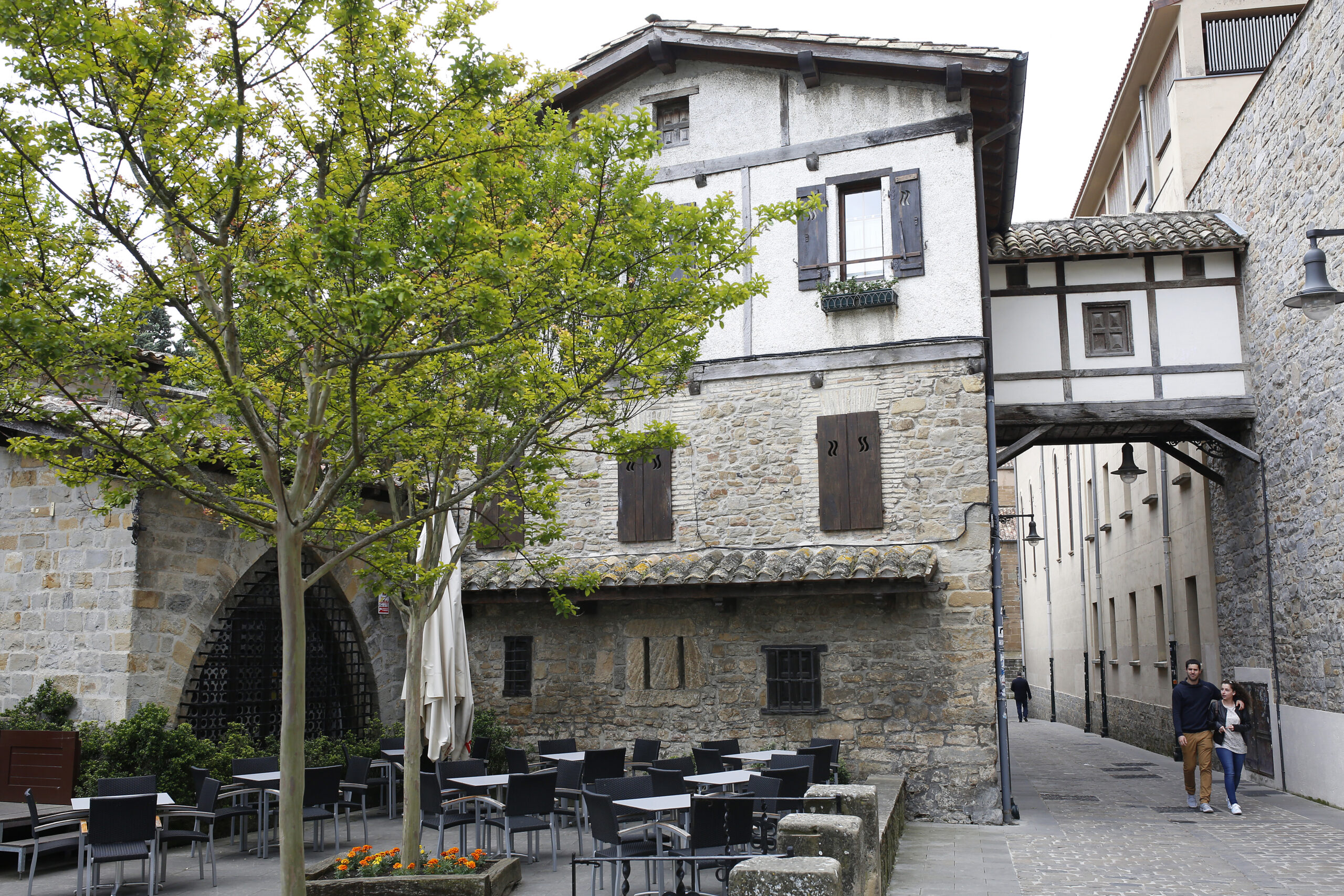
Explore the narrow streets of the historic centre, following the old fortifications, bustling squares and iconic locations associated with the San Fermín Festival. The visit continues at the Cathedral of Santa María, a remarkable Gothic building whose cloister is considered one of the most beautiful in Spain. Its museum offers a better understanding of Navarre’s history and Pamplona’s role along the routes to Santiago.At aperitif time, make your way from bar to bar to sample the famous pintxos, a true Navarrese ritual. Surprising flavours, high-quality local ingredients and culinary innovation concentrated into a single bite have shaped the city’s gastronomic reputation, because a Navarrese pintxo is much more than a tapa: it is the perfect combination of deep-rooted tradition and imagination. Traditional establishments now stand alongside original restaurants, offering a magnificent showcase of Navarrese cuisine. Do not leave Pamplona without enjoying this experience.
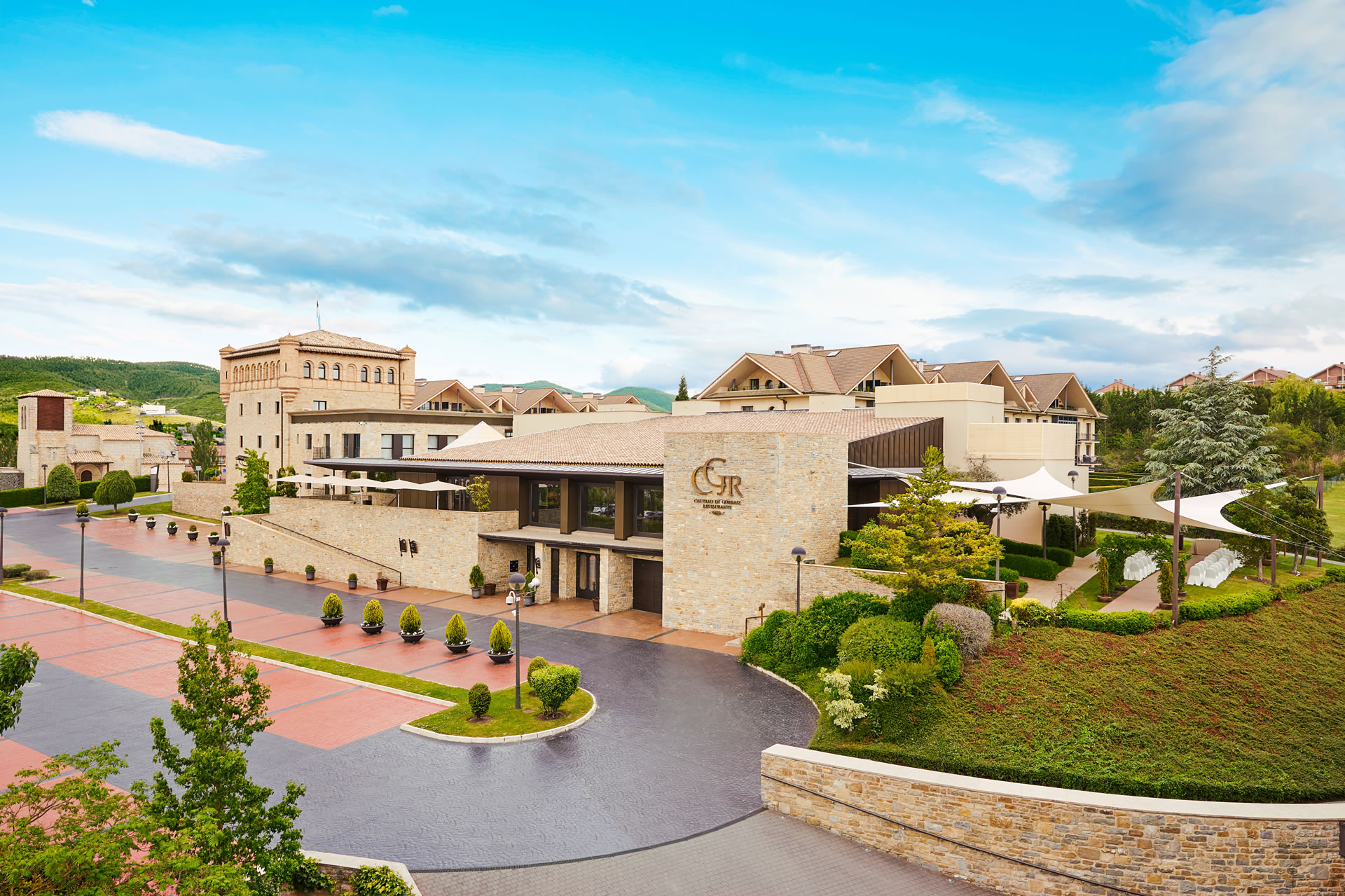
The historic centre offers a wide selection of hotels. If you would prefer a more peaceful getaway on the outskirts, choose Castillo de Gorraiz Hotel & Spa, Hotel Luze El Toro, Agroturismo Mari Cruz or the remarkable Basoa Suites, whose treetop cabins invite you to spend a night surrounded by nature.
Today, the route recaptures the true spirit of the Way of St James. As you approach the first peaks of the Pyrenees, the landscapes become wilder and the villages more secluded. Each stop evokes the passage of the thousands of pilgrims who have crossed these mountains on their way to Santiago de Compostela over the centuries.
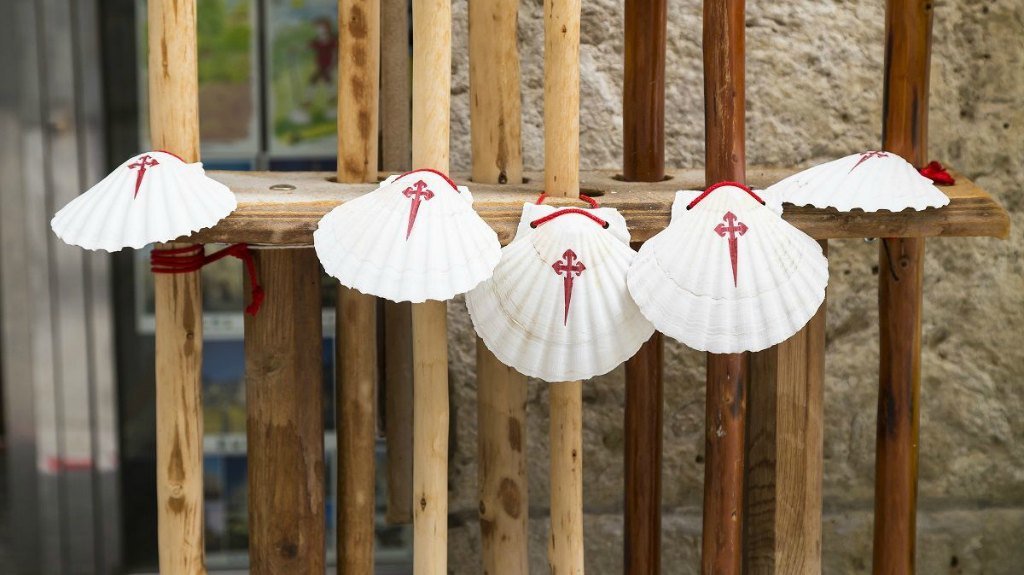
Your first stop is Roncesvalles, an iconic location in the tradition of the Way of St James. The Collegiate Church of Santa María, the former pilgrims’ hospice and the monastic buildings recall the essential role played by this village in welcoming travellers crossing the Pyrenees.
The route then reaches Ochagavía, considered one of the most beautiful villages in Navarre. Its stone houses with steeply pitched roofs line the banks of the River Anduña, creating a typical Pyrenean landscape. Take the opportunity to visit the Romanesque Hermitage of Our Lady of Muskilda, built on top of the mountain in the 12th century, and the Ochagavía Nature Interpretation Centre, where you can learn more about the biodiversity and traditions of the Salazar Valley.
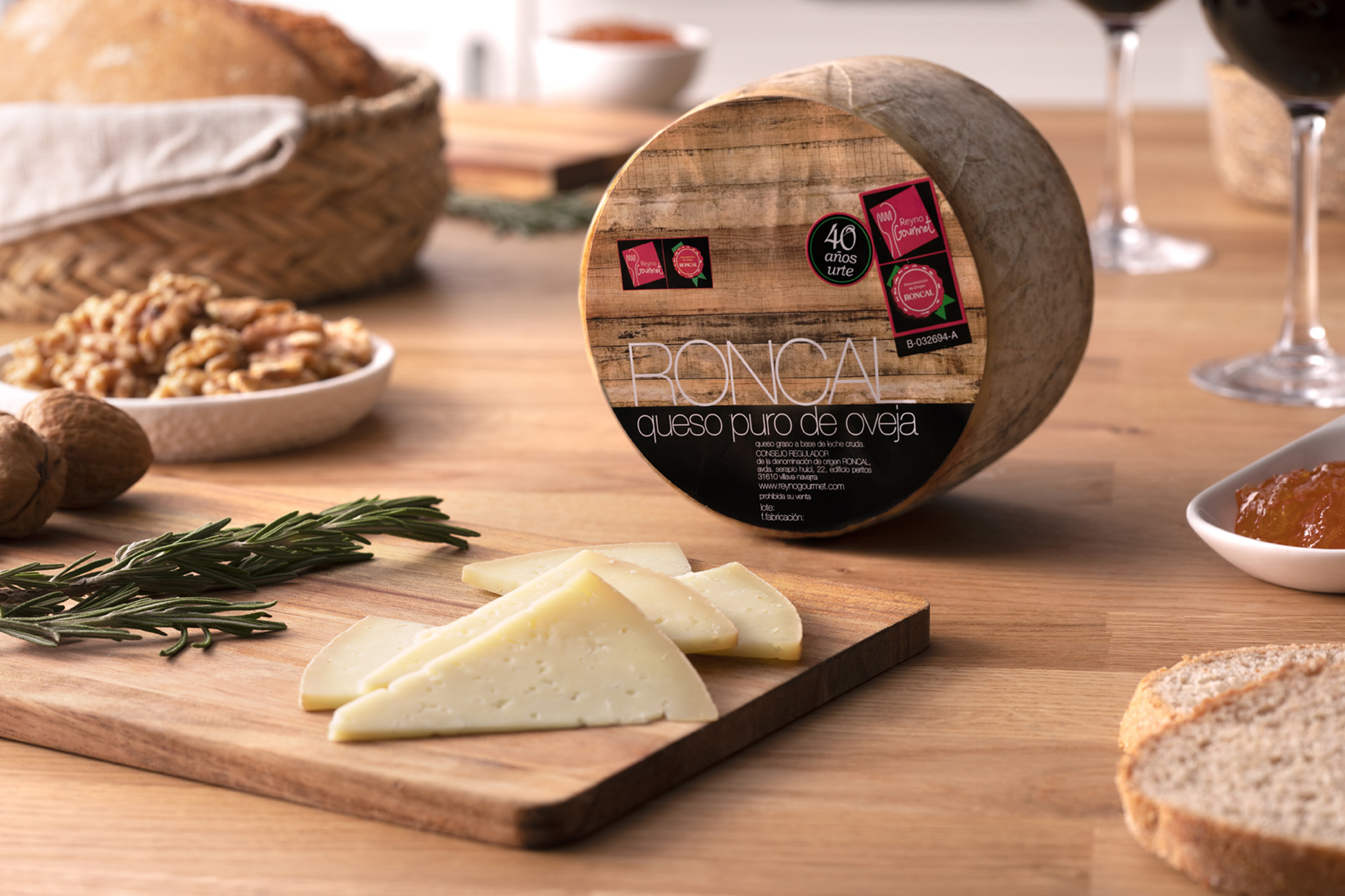
This stage is the perfect opportunity to sample some of the specialities of the Navarrese Pyrenees: shepherd’s-style migas, Roncal PDO cheese and local meats form the basis of a generous cuisine inspired by pastoral traditions.
The route continues its ascent through the Roncal Valley before crossing the French-Spanish border once again. Among mountains, high-altitude pastures and forests, this stage highlights a living heritage where shepherds and transhumance continue to shape the rhythm of life in the valleys.
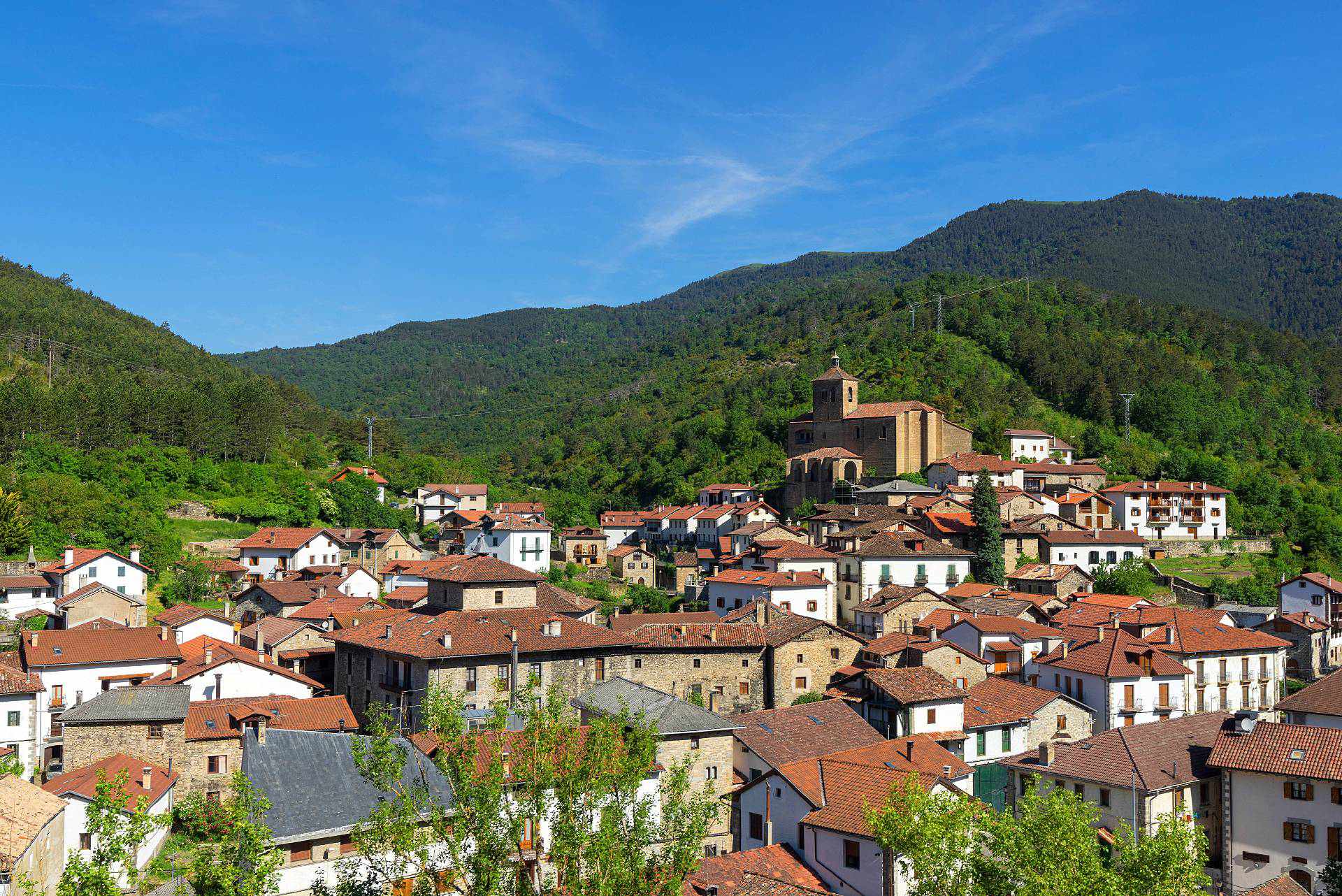
In Isaba, traditional houses cluster around the Church of San Cipriano, a remarkable example of medieval architecture in the Navarrese Pyrenees. If you are looking for a generous dose of fresh air and exceptional views, an excursion to the Pyrenean viewpoints is exactly what you need.
A few kilometres away, the Pierre-Saint-Martin Pass, near the ski resort, evokes a tradition unique in Europe: the Tribute of the Three Cows. For more than six centuries, this ceremony has symbolised peace between the valleys of Béarn and Navarre.
Those who enjoy underground landscapes can continue their exploration with a visit to the La Verna Chamber, one of the largest underground chambers open to visitors in Europe, before arriving in Arette.
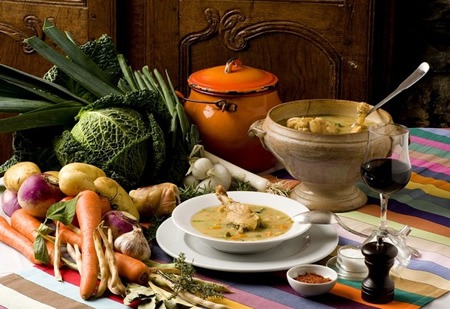
In the Barétous Valley, between Arette and Lanne-en-Barétous, you can sample Ossau-Iraty PDO cheese. Several mountain farms welcome visitors to discover this iconic cheese, the result of the knowledge and expertise of the shepherds of the Pyrenean valleys. In the area’s restaurants, you can also sample traditional Béarnais dishes: garbure mountain soup, duck breast, homemade foie gras and blueberry tart.
This final day follows the great roads of the Ossau Valley. Among mountain landscapes and legendary Tour de France passes, the journey concludes in a spectacular setting where nature takes centre stage.

Le projet GATURl2 EFA 043/01 a été cofinancé a 65% par l'Union européenne a travers le Programme lnterreg VI-A Espagne-FranceAndorre (POCTEFA 2021-2027).
El proyecto GATURI2 EFA 043/01 ha sido cofinanciado en un 65% por la Unión Europea a través del programa lnterreg VI-A EspañaFrancia-Andorra (POCTEFA 2021-2027).
GATURI2 EFA 043/01 proiektua % 65ean finantzatu du Europar Batasunak lnterreg VI-A Espainia-Frantzia-Andorra (POCTEFA 2021-2027) programaren bidez.





The Merca’o , Pamplona (Navarra) Website
Sale of Ulzama , Belate. Port of. (Navarra) Website
Donamaria´ko Benta , Donamaria (Navarra)
Arotxa , Legasa (Navarra) Website
Txulotxo , Pasai Donibane (Guipuzkoa) Website
Agorregi , San Sebastian-Donostia. (Guipuzkoa) Website
Topa , San Sebastian-Donostia. (Guipuzkoa)
Zeria , Hondarribia (Guipuzkoa)
Zabala , Vitoria-Gasteiz (Alava)
The Charters , Bilbao (Bizkaia)
Kimtxu , Bilbao (Bizkaia)
The School , Bilbao (Bizkaia)
Casa Toni , San Vicente de la Sonsierra. (The Rioja)
Morro Tango , Alfaro. (La Rioja) Website
Ramón’s kitchen , Logroño. (La Rioja) Website
Txebico Cachetero , Logroño. (La Rioja) Website
Briketenia , Guethary . (Pays Basque) Website
Ahizpak , Bidart . (Pays Basque) Website
Maison Joanto , Briscous . (Pays Basque) Website