

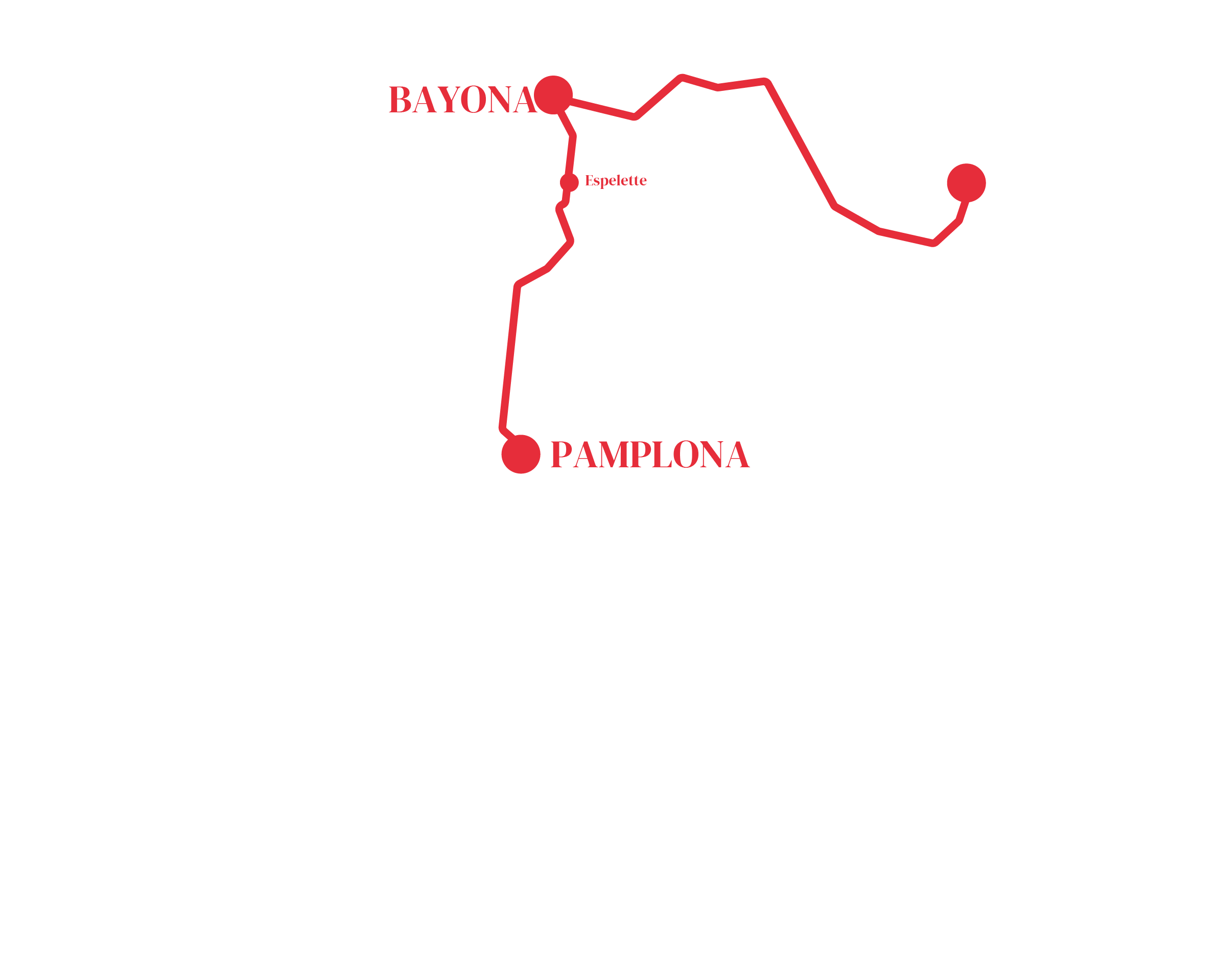
The tour begins in Pamplona, a vibrant city steeped in history that is sure to captivate you. Wander through the narrow streets of its old town, soak up the welcoming atmosphere of its squares and allow yourself to be charmed by a destination that celebrates both its history and its culinary traditions. This first stop sets the tone for a journey through Navarre, the French Basque Country and Béarn.
Take your time exploring the old town, the true heart of Pamplona. Behind its city walls lie medieval streets, lively squares and the iconic locations associated with the famous San Fermín Festival. Afterwards, step inside the Cathedral of Santa María, a Gothic building whose cloister is considered one of the most beautiful in Spain, before visiting its museum, which takes you through several centuries of Navarrese history.At aperitif time, make your way from bar to bar to sample the famous pintxos, a true Navarrese ritual. Surprising flavours, high-quality local ingredients and culinary innovation concentrated into a single bite have shaped the city’s gastronomic reputation, because a Navarrese pintxo is much more than a tapa: it is the perfect combination of deep-rooted tradition and imagination. Traditional establishments now stand alongside original restaurants, offering a magnificent showcase of Navarrese cuisine. Afterwards, continue the evening in one of the many restaurants in the city centre.
Pamplona offers numerous accommodation options to complete your experience.
The hotels in the city centre allow you to make the most of the city’s atmosphere.
If you would prefer a more peaceful getaway on the outskirts, choose Castillo de Gorraiz Hotel & Spa, Hotel Luze El Toro, Agroturismo Mari Cruz or the remarkable Basoa Suites, whose treetop cabins invite you to spend a night surrounded by nature.
In Pamplona, gastronomy is enjoyed in a welcoming atmosphere, among lively bars and charming establishments. Pintxos compete in creativity, while traditional recipes place the finest produce from Navarre centre stage.
Whether you are looking for a pleasant place to stop, a historic establishment or a more refined dining experience, you will be spoilt for choice.
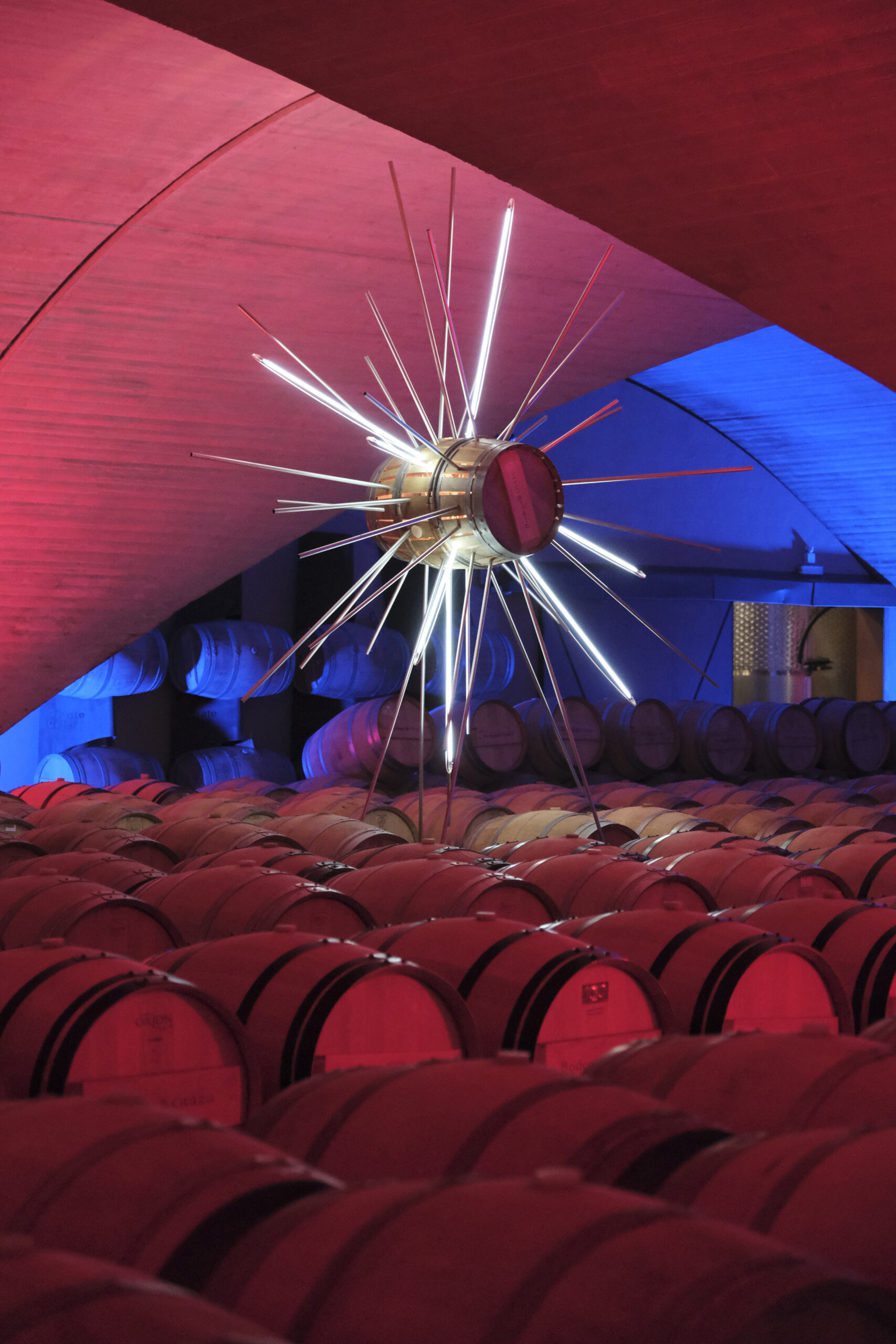
Just a few kilometres away, the countryside also has some delightful surprises in store. Otazu Winery, an elegant 19th-century wine estate, combines wine tourism, architecture and contemporary art in an extraordinary setting. In Izu, Casa Amezqueta promotes local products such as oils, cured meats and artisan cheeses.
Fine-dining enthusiasts can stop at El Molino de Urdániz, a two-Michelin-starred restaurant whose creative cuisine showcases seasonal produce. Finally, do not miss Fika Café, a calm and welcoming place in the heart of the city where you can enjoy speciality coffee and a tempting selection of homemade cakes.
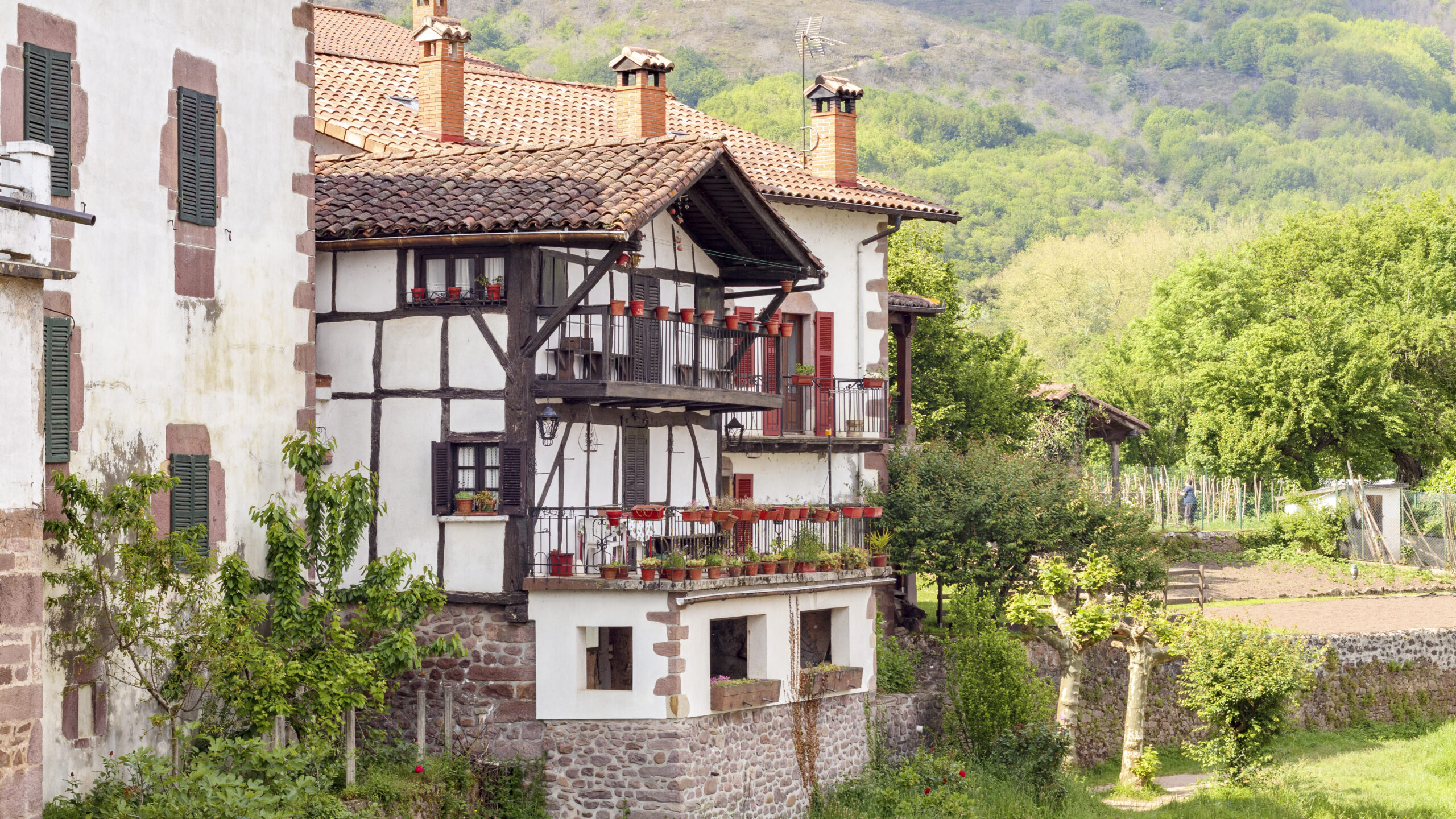
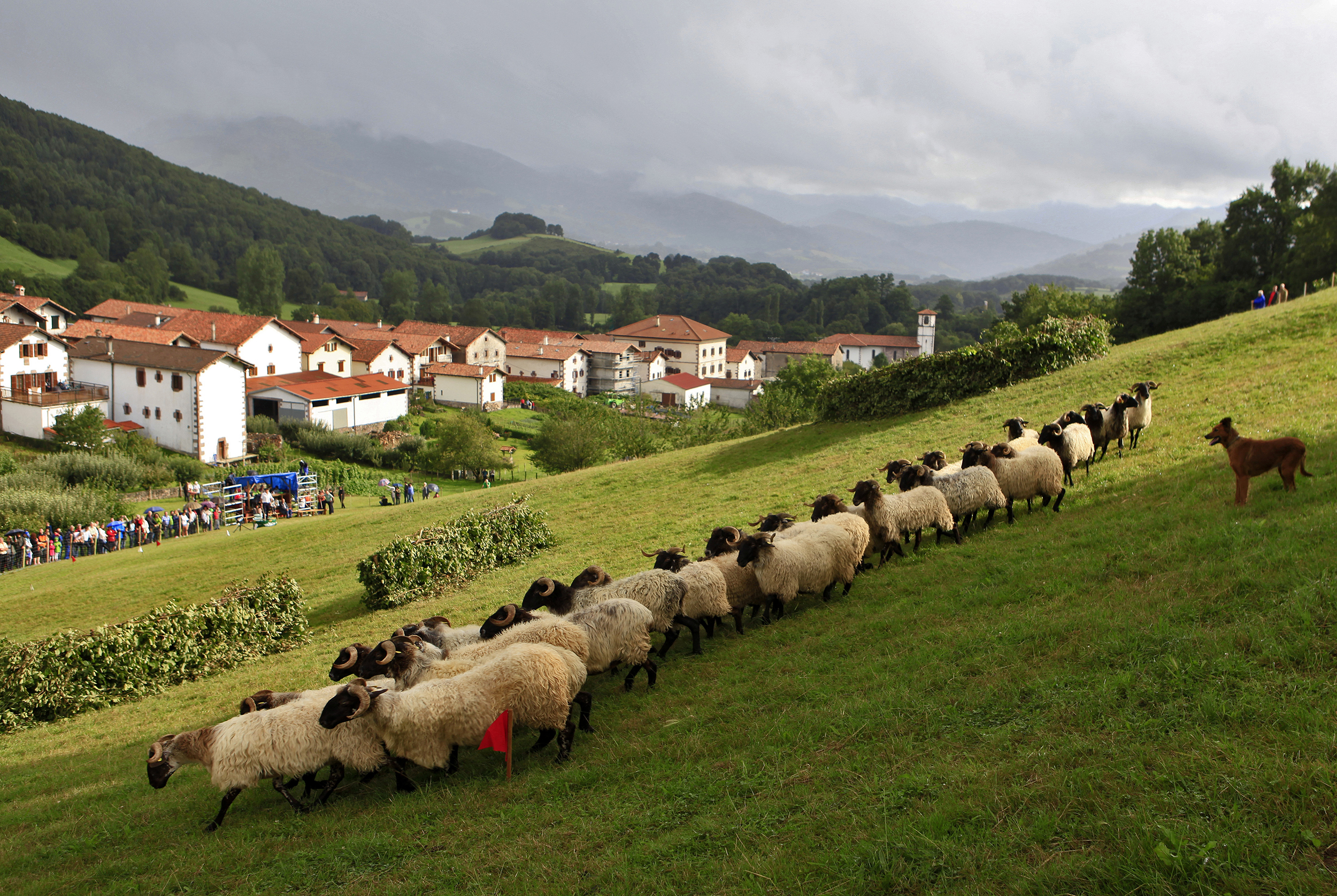
After the lively streets of Pamplona, take the road towards the Ultzama Valley, located around thirty kilometres away. Here, the landscape is covered with meadows, beech forests and centuries-old oak woods, where villages seem to live in harmony with the seasons. This getaway into the heart of the Navarrese countryside invites you to slow down, reconnect with nature and savour the produce of a generous land.
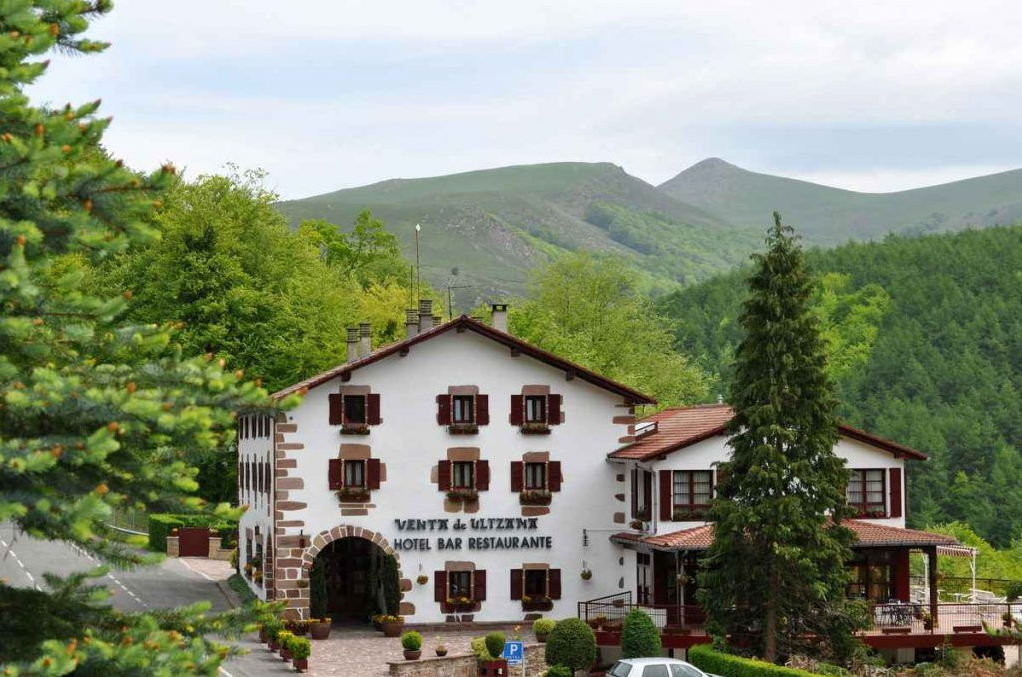
Begin the day at the Ultzama Farm School, where visitors of all ages can experience the farmers’ daily routine, spend time with the farm animals and learn about the traditional production of dairy products. Continue with a walk through the Orgi Oak Forest, one of Navarre’s last remaining wet woodlands, whose accessible paths wind beneath centuries-old trees. Golf enthusiasts can extend their immersion in nature at Ultzama’s 18-hole golf course, perfectly integrated into the valley’s rolling landscapes.
In this agricultural valley, gastronomy reflects the full richness of Navarre’s land. Artisan cheeses, high-quality meats and seasonal produce form the basis of an authentic cuisine that places local producers centre stage. At El Mirador de Ultzama Hotel, the Thius Navarra restaurant showcases these regional flavours in a privileged setting overlooking the green landscapes that give the valley its unique charm.
The journey continues towards one of Navarre’s most fascinating valleys. Among green mountains, stately palaces and villages that have preserved their charm, Baztan offers a world where history becomes intertwined with legend, ancestral traditions, popular beliefs and extraordinary heritage.
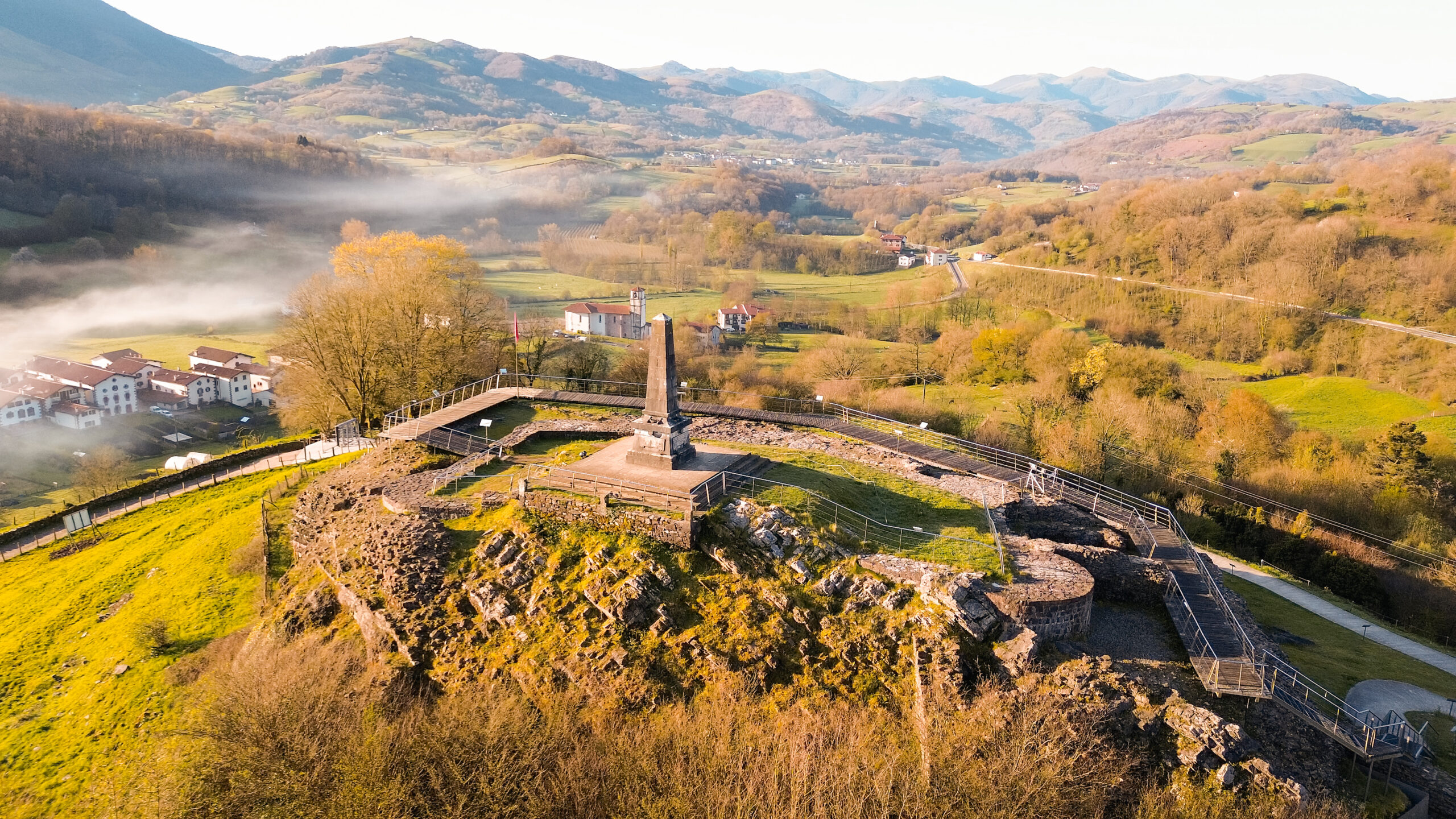
Your route begins in Elizondo, the capital of the valley, renowned for its elegant noble mansions, stone bridges and peaceful atmosphere.
Next, head to Arizkun, an ideal place to discover the history of the Agotes, a mysterious community that remained on the margins of Navarrese society for many years. Continue to Amaiur, one of the valley’s most iconic villages. A pleasant walk will take you to Mount Gaztelu, where the remains of the castle recall the final chapters in the independence of the Kingdom of Navarre.
The route continues towards Zugarramurdi, famous for its caves, which are linked to the 17th-century witch trials. If you are interested in caves, simply follow the path on foot to reach the fascinating Ikaburu Cave.
Finally, do not miss Urdax Monastery. Located along one of the routes of the Way of St James, it houses a remarkable cloister, an old mill, a museum and a rich collection of works of art.
The Baztan Valley offers generous cuisine deeply rooted in mountain traditions. Sheep’s cheese, artisan cured meats, lamb cooked in chilindrón sauce, stuffed peppers and garden vegetables create a culinary experience that is as authentic as it is welcoming.
In Elizondo, bars and inns keep this tradition alive through home-style cooking accompanied by pintxos, local specialities and the renowned Idiazabal cheeses.
A guided visit to the Amaiur Mill with a tasting of talos — delicious cornflour flatbreads with sweet or savoury fillings — will take you on a journey back in time and introduce you to the valley’s traditions.
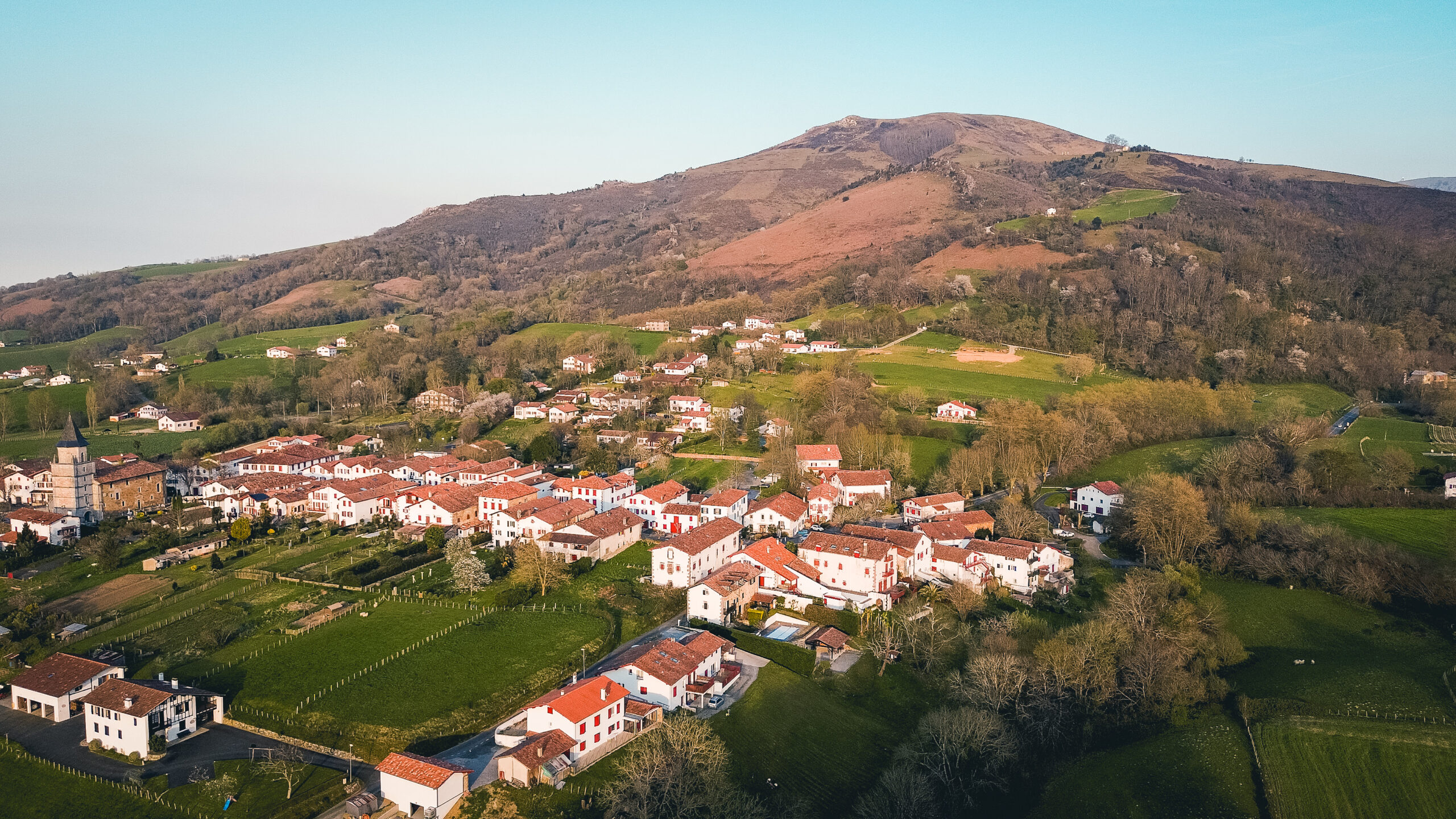
As you cross the border, the landscapes change subtly, but the Basque identity remains intact. Villages with red-and-white houses and green hills create the setting for an authentic day of heritage, gastronomy and the art of living well.
Begin your route in Ainhoa, recognised as one of the “Most Beautiful Villages of France”. Its single street, lined with perfectly aligned Basque-style houses, tells the story of several centuries. A visit to the Maison du Patrimoine immerses you in the territory of Xareta through an interactive experience combining stories, landscapes and local legends.
Continue towards Espelette, whose façades are decorated with long strings of red peppers. On Wednesdays, enjoy its traditional market, which dates back to the 17th century, before sampling the famous Espelette pepper, an authentic emblem of Basque gastronomy.
If time allows, do not miss Sare, also recognised as one of the “Most Beautiful Villages of France”, to complete your immersion in the heart of Labourd.
For more than 150 years, Euzkadi Restaurant has been a true institution in Espelette. In a family atmosphere handed down through several generations, the great recipes of the Basque Country come to life: axoa, piperade, meat stews and traditional desserts, always prepared with local ingredients and outstanding culinary expertise.
This day offers some of the most beautiful scenery in the French Basque Country, between the peaks of the Pyrenees and the Atlantic coast. From the panoramic views of La Rhune to the elegant façades of Biarritz, with the timeless charm of Saint-Jean-de-Luz in between, each stop reveals its own distinctive identity, shaped by the sea, the mountains and Basque traditions.
Begin by taking the famous La Rhune rack railway. As it slowly climbs the slopes of this iconic Basque mountain, the landscape gradually opens up to reveal the Pyrenees, green valleys and the Bay of Biscay.
The route then descends towards Saint-Jean-de-Luz, a former fishing port that has become one of the most popular seaside resorts on the Basque coast. Stroll through its lively streets before visiting the Church of Saint John the Baptist, renowned for its exceptional gilded wooden altarpiece and for hosting the wedding of Louis XIV. Just a few steps away, Les Halles, the local market, reveals the full richness of the region’s produce in a welcoming atmosphere. Discover Les Halles on a guided gastronomic tour organised by the Tourist Office.
The afternoon continues in Biarritz, which also has its own Les Halles market. Once a fishing village before becoming an imperial seaside resort during the reign of Napoleon III, the city combines elegance with a relaxed way of life. Walk from Port-Vieux to the narrow streets around Rue Mazagran, admire the Belle Époque villas and immerse yourself in the unique atmosphere overlooking the waves of the Atlantic.
Make the most of the day by sampling some of the region’s great classics: Ossau-Iraty cheese, Bayonne ham, piperade, Irouléguy wines and Basque cider, among many other specialities that reflect the gastronomic richness of this region.
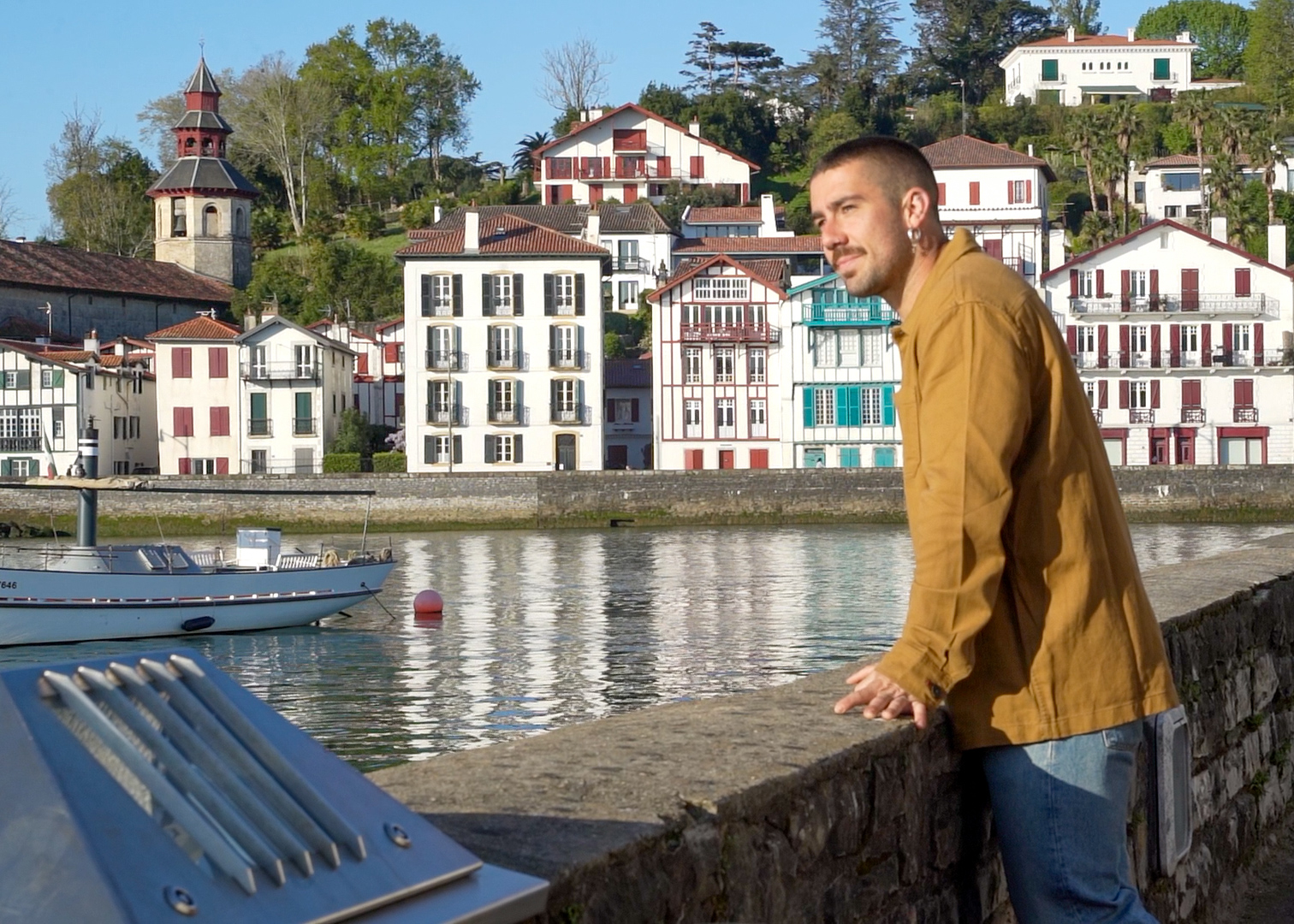
Visit Bayonne, the historic capital of the French Basque Country. Crossed by the Nive and Adour rivers, the city is captivating both for its rich heritage and its way of life. Behind its city walls, shopping streets, half-timbered houses and lively terraces invite you to take your time and savour your stay.
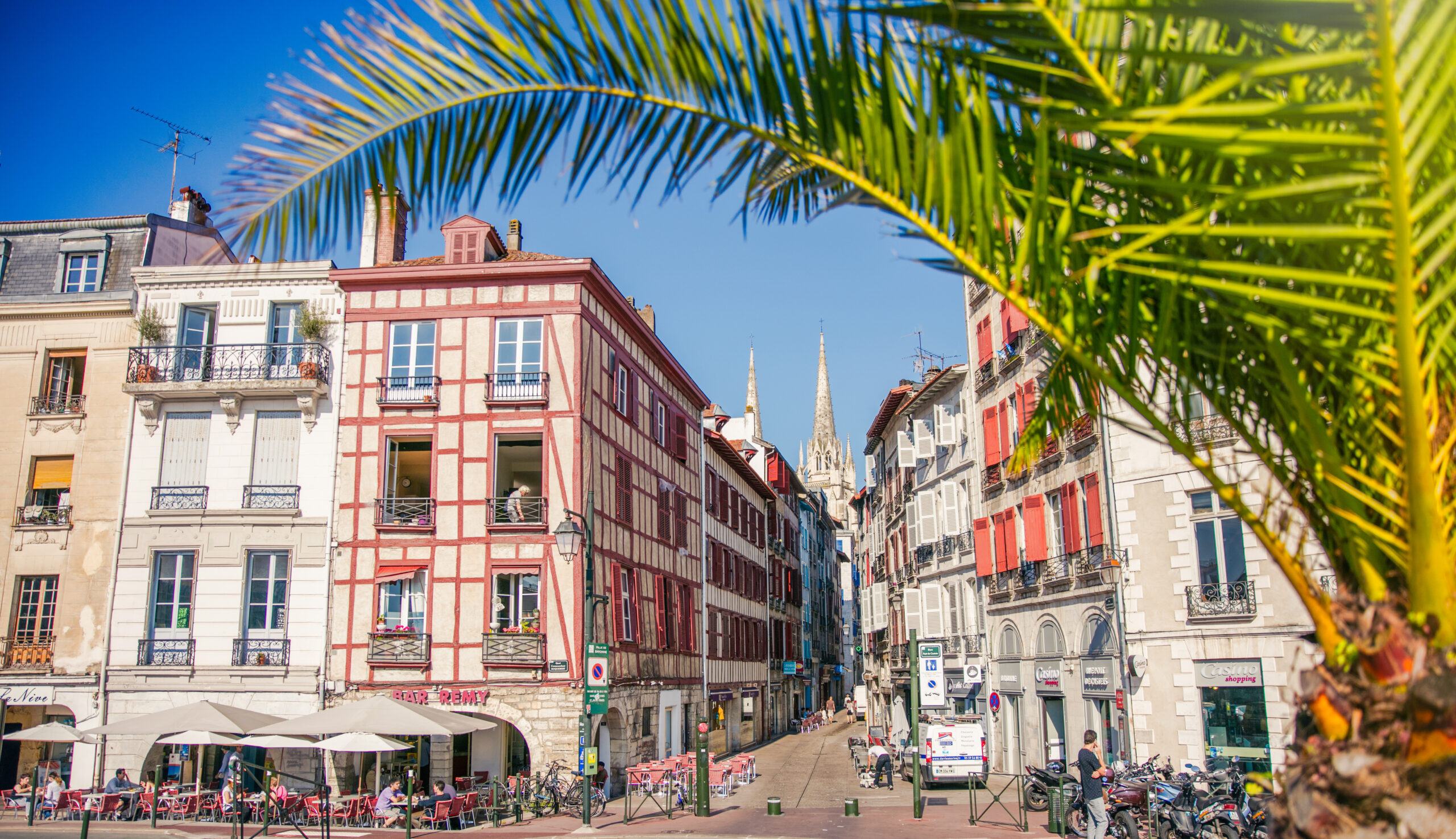
Begin at Sainte-Marie Cathedral, a remarkable Gothic building declared a UNESCO World Heritage Site as part of the Routes of Santiago de Compostela. Continue towards the Château-Vieux and the town hall before exploring the streets of Grand Bayonne, the historic quarter where shops, workshops and colourful façades reflect the city’s Basque identity.
Next, stop at Les Halles, the city’s true gastronomic heart. Among the producers’ stalls and local specialities, the atmosphere is as welcoming as it is aromatic. Finally, enjoy a relaxing moment along the quays of the Nive or Adour and appreciate the tranquillity of life in Bayonne.
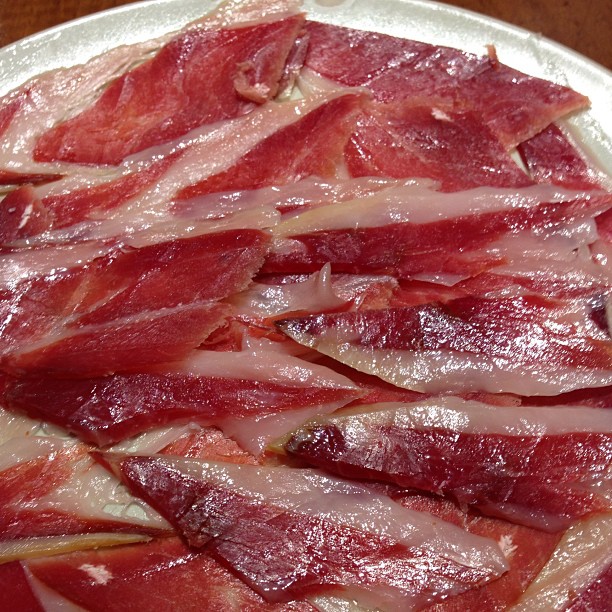
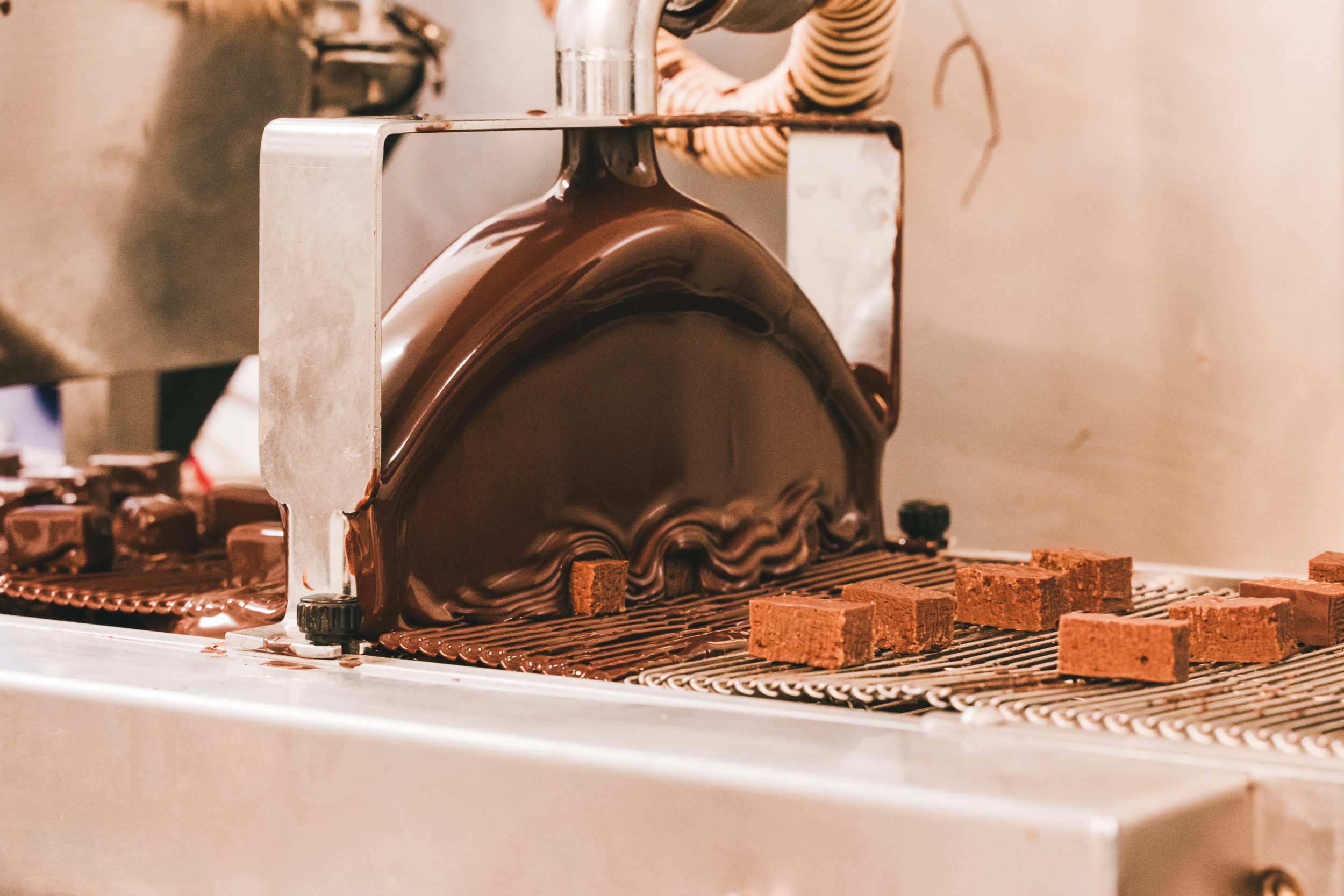
A city with a strong gastronomic tradition, Bayonne is inseparable from its famous ham, produced according to a tradition dating back several centuries. Basque cake, chocolate from a specialist workshop such as the Atelier du Chocolat, artisan specialities and local agricultural produce complete this stop, where every establishment perpetuates a deeply rooted culinary heritage.
As you leave the Basque Country, the scenery becomes gentler, giving way to the rolling hills of Béarn. Fortified villages, historic houses and peaceful valleys create a stop shaped by heritage and the art of living well, in a region where history and nature are in constant dialogue.
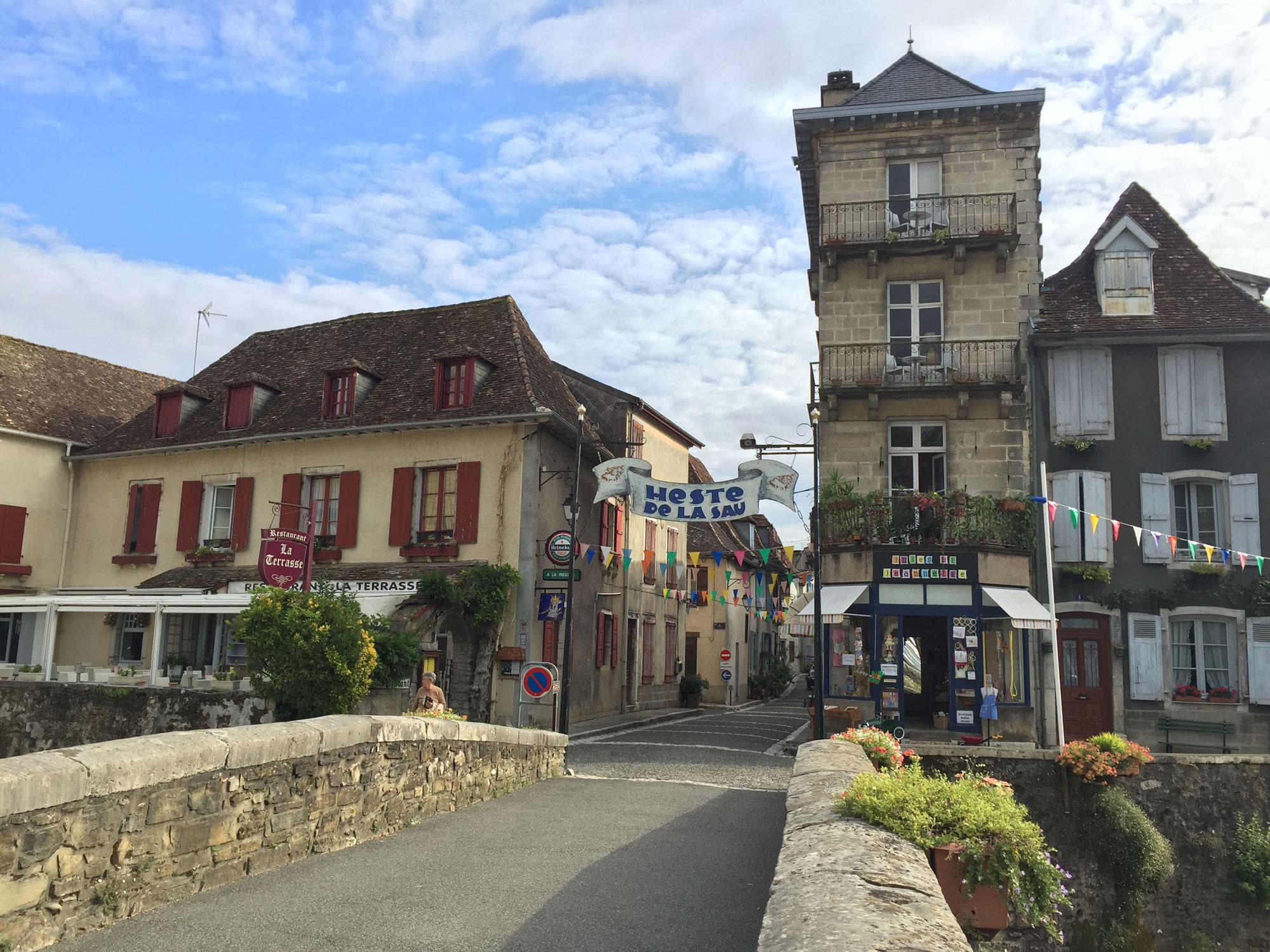
The day begins in Salies-de-Béarn, a town built around its famous saltwater spring. Explore its picturesque streets lined with medieval houses, admire the half-timbered façades and discover the story of the “white gold” that brought prosperity to the town for centuries.
Next, head to Navarrenx, the first bastioned town in France. Protected by its imposing 16th-century walls, this former fortress offers magnificent panoramic views of the Pyrenees and is recognised as one of the “Most Beautiful Villages of France”.
The route ends in Oloron-Sainte-Marie, a town of art and history dominated by its Sainte-Marie Cathedral. Declared a UNESCO World Heritage Site as part of the Routes of Santiago de Compostela, it bears witness to Béarn’s rich religious and architectural past.
Before continuing your journey, allow yourself to be tempted by some local delights: Béarnais macarons, chocolate from the Lindt & Sprüngli factory and artisan pastries such as the excellent “Russe”, made according to a secret recipe by Pâtisserie Artigarrède. They are the perfect accompaniment to this getaway in the heart of Béarn.
On this final day of discovery, the sun-drenched slopes of Jurançon give way to the elegance of Pau. With renowned vineyards, royal heritage and spectacular views of the Pyrenees, this stage brings together some of the most beautiful landscapes in south-western France.
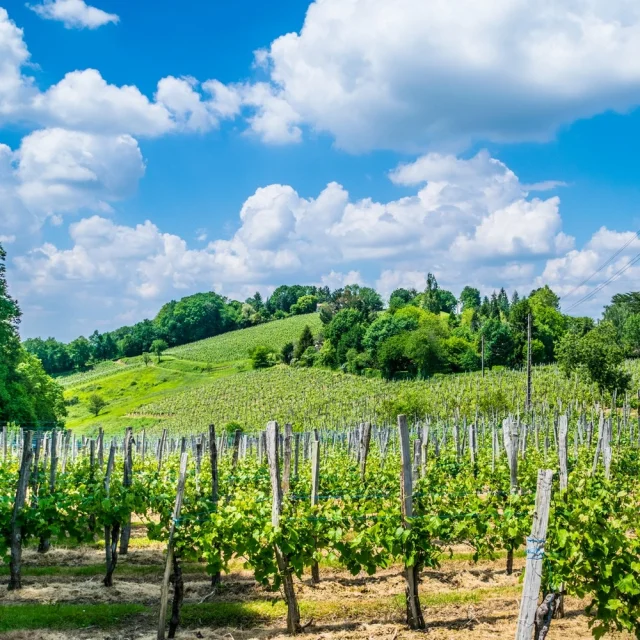
Meet the winegrowers of Jurançon through an original experience combining investigation, tasting and vineyard discovery: “Soupçons à Jurançon”. Along the hillsides, wineries open their doors to tell the story of this iconic wine, which has been produced for centuries on the slopes overlooking Pau.
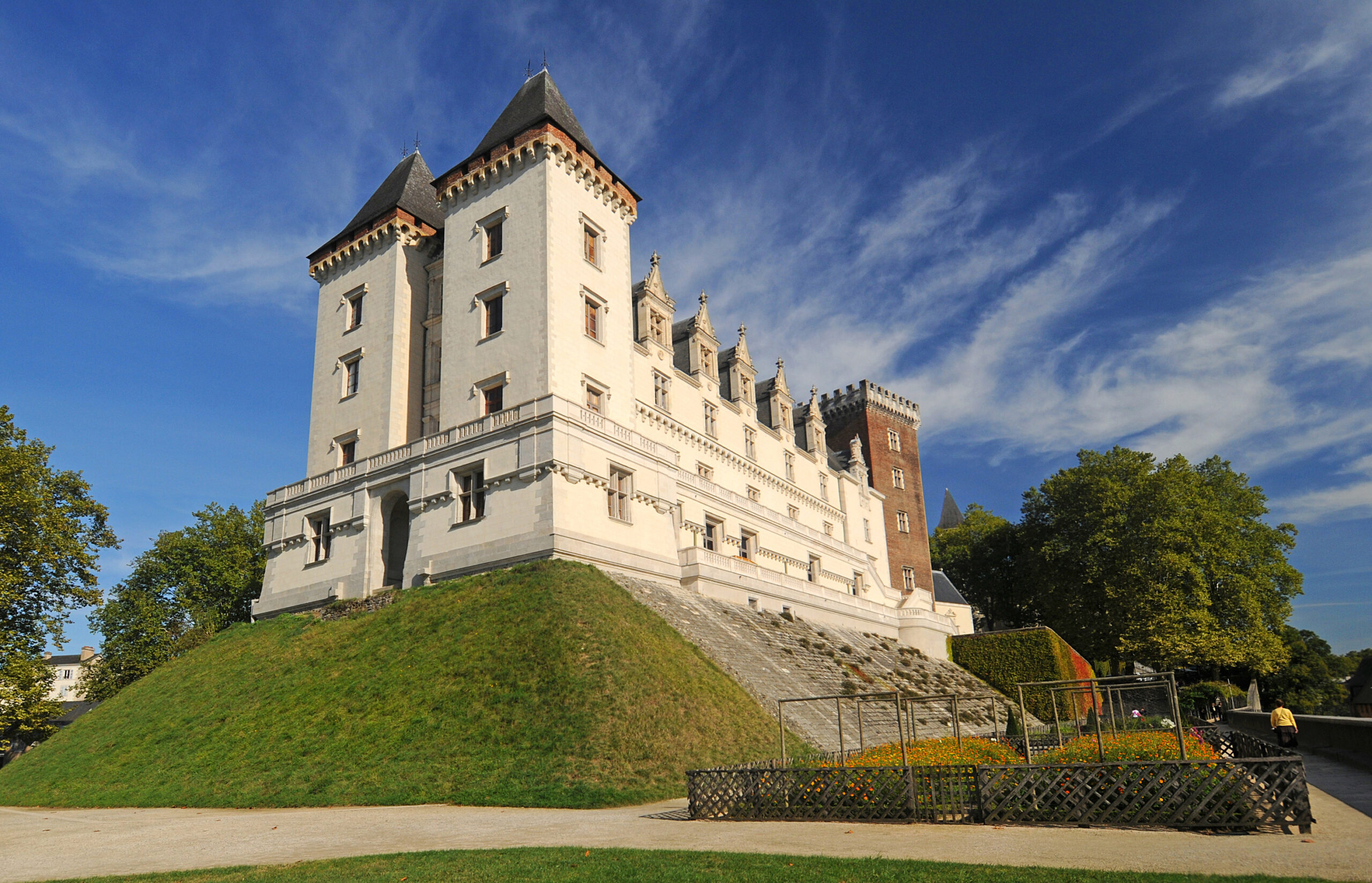
The afternoon is dedicated to the capital of Béarn. Stroll along the Boulevard des Pyrénées, an immense balcony overlooking the mountain range, before making your way to the Château de Pau. Henry IV was born here in 1553, in one of France’s most prestigious royal residences, which has now been transformed into a national museum.

Le projet GATURl2 EFA 043/01 a été cofinancé a 65% par l'Union européenne a travers le Programme lnterreg VI-A Espagne-FranceAndorre (POCTEFA 2021-2027).
El proyecto GATURI2 EFA 043/01 ha sido cofinanciado en un 65% por la Unión Europea a través del programa lnterreg VI-A EspañaFrancia-Andorra (POCTEFA 2021-2027).
GATURI2 EFA 043/01 proiektua % 65ean finantzatu du Europar Batasunak lnterreg VI-A Espainia-Frantzia-Andorra (POCTEFA 2021-2027) programaren bidez.




The Merca’o , Pamplona (Navarra) Website
Sale of Ulzama , Belate. Port of. (Navarra) Website
Donamaria´ko Benta , Donamaria (Navarra)
Arotxa , Legasa (Navarra) Website
Txulotxo , Pasai Donibane (Guipuzkoa) Website
Agorregi , San Sebastian-Donostia. (Guipuzkoa) Website
Topa , San Sebastian-Donostia. (Guipuzkoa)
Zeria , Hondarribia (Guipuzkoa)
Zabala , Vitoria-Gasteiz (Alava)
The Charters , Bilbao (Bizkaia)
Kimtxu , Bilbao (Bizkaia)
The School , Bilbao (Bizkaia)
Casa Toni , San Vicente de la Sonsierra. (The Rioja)
Morro Tango , Alfaro. (La Rioja) Website
Ramón’s kitchen , Logroño. (La Rioja) Website
Txebico Cachetero , Logroño. (La Rioja) Website
Briketenia , Guethary . (Pays Basque) Website
Ahizpak , Bidart . (Pays Basque) Website
Maison Joanto , Briscous . (Pays Basque) Website